





Brown-headed Nuthatch
Sitta pusilla
The Brown-headed Nuthatch is a small, cheerful bird with a brown head and a sweet song. They love to climb trees and often hang upside down while searching for food.
Habitat: Forests
The Brown-headed Nuthatch has a warm brown cap contrasting with its bluish-gray back and white belly. This small, compact bird has a short tail and appears much like a tiny acrobat in the trees, unique for its head-first climbing.
Category
BirdsRarity
Common
Danger
1/5 · Very low
Snaps
4
Brown-headed Nuthatches sometimes share food with others in their group.
Their distinctive call sounds exactly like a rubber squeaky toy!
These birds often forage upside-down, defying gravity on tree trunks.
They plaster resin and bark flakes around their nest entrance!
Brown-headed Nuthatches can use small pieces of bark as tools to pry open other bark for hidden insects.
Brown-headed Nuthatches can excavate their own nest cavities in dead snags, creating safe homes for their young.
Brown-headed Nuthatches can huddle together in tree cavities during cold nights to share body heat.
Tiny birds that love to eat seeds from pine trees and small insects hiding in the bark!
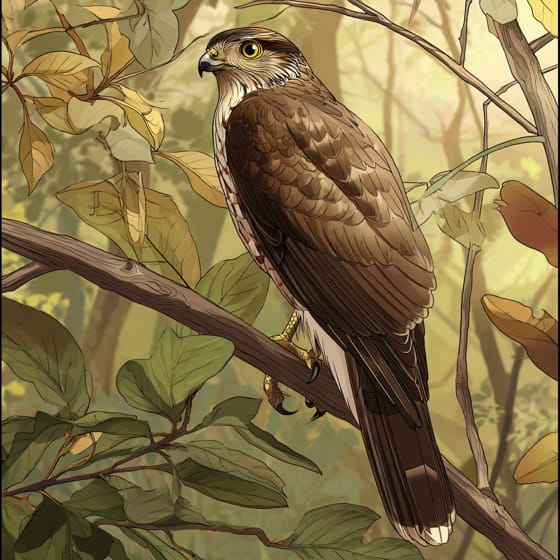
Accipiter cooperii
Cooper's Hawks might hunt small birds like nuthatches.
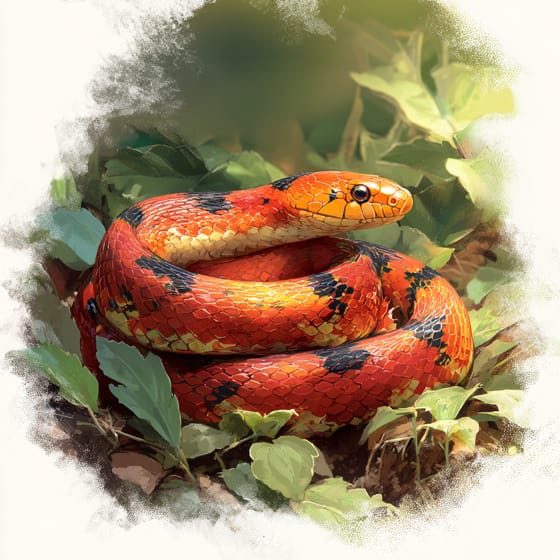
Pantherophis guttatus
Snakes can raid nests or hunt foraging birds.

Pinus taeda
Relies on these pine trees for seeds, shelter, and nests.
Dendroctonus frontalis
Eats these beetles, helping to control forest pests.
Feathered describes animals, primarily birds, possessing a covering of feathers.
Social animals live in organized groups, cooperating for survival benefits such as foraging, defense, and raising offspring.
Singing animals produce complex vocalizations, often for purposes of attracting mates, defending territory, or communicating within their species.
Arboreal animals live primarily in trees, utilizing them for shelter, food, and protection from predators.

This trait identifies organisms whose diet primarily consists of insects and other small invertebrates.

Forest habitats are terrestrial environments dominated by dense tree cover, supporting a high diversity of plant and animal life.

Diurnal animals are primarily active during daylight hours, typically resting or sleeping at night.
No aliases listed yet.
Danger
1/5 · Very low
Enjoy watching birds from a distance and be quiet so you don't scare them away.
The easiest way to identify Brown-headed Nuthatch is to use the Snappit nature identifier app.
9-11 cm
16-18 cm
0.008-0.012 kg
2-9 years
40 km/h
Tiny birds that love to eat seeds from pine trees and small insects hiding in the bark!
Forests
Zoom in to split clusters and explore where this object has been snapped.

Alabama, US
You might spot Eastern Box Turtle, Carolina Wren, and Field Sparrow.
View guide →

Maryland, US
You might spot Great Blue Heron, Bald Eagle, and Eastern Box Turtle.
View guide →

Georgia, US
You might spot Silk Tree, Joro Spider, and Kingsnake.
View guide →

Florida, US
You might spot Great Blue Skimmer, Blue Dasher, and Queen.
View guide →

Tennessee, US
You might spot American Coot, Crane-Fly Orchid, and Pied-Billed Grebe.
View guide →
Take the discovery with you
Snap it with Snappit to identify it, learn what makes it special, and add the discovery to your collection.




.jpg&width=800)








