





Long-nosed Swamp Fly
Eurimyia stipata
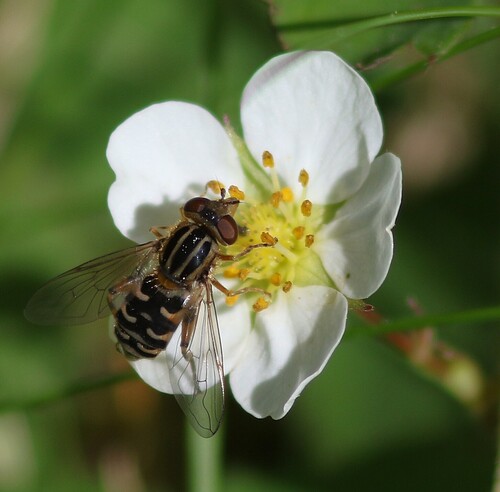
The Long-nosed Swamp Fly is a small insect that loves to buzz around wetlands. With its long nose, it sips nectar from flowers and helps plants grow by spreading pollen.
Habitat: Wetlands
The Long-nosed Swamp Fly is a slender insect often sporting iridescent green or metallic blue body segments. It has notably large, reddish compound eyes and a distinctive, elongated proboscis that resembles a long 'nose'. Its delicate, clear wings are typically veined with brown or black.
Category
InsectsRarity
Common
Danger
1/5 · Very low
Snaps
1
Baby swamp flies start their lives as wiggly, worm-like creatures in pond water!
Some swamp flies can glitter with metallic rainbow colors in bright sunlight!
Their 'nose' is actually a super-long tongue used for slurping up sweet nectar!
They can actually 'taste' with their feet, sensing sugars just by landing!
Long-nosed Swamp Fly has an extra-long proboscis that helps them sip nectar from deep flowers like a tiny, flexible straw.
Long-nosed Swamp Fly can expertly fly through dense swamp vegetation because of their agile wings, avoiding obstacles with ease.
Long-nosed Swamp Fly has larvae that live underwater, which helps them develop safely from many land-based predators.
These flies sip nectar from flowers like a hummingbird and help plants make seeds!
Age differences: Larvae consume decaying organic matter and microorganisms in water, adults feed on nectar.
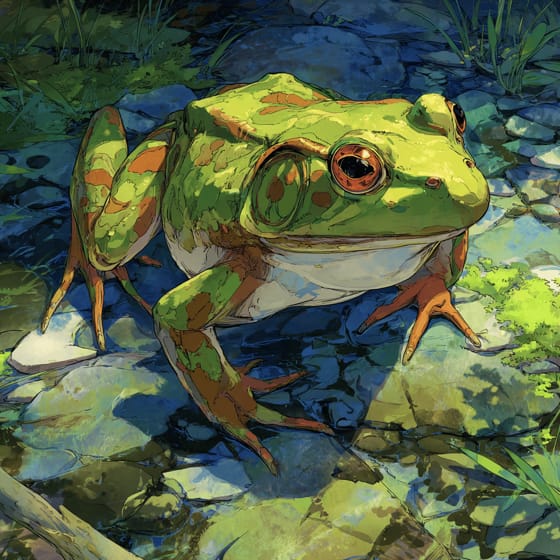
Rana catesbeiana
Bullfrogs often snatch flying insects.
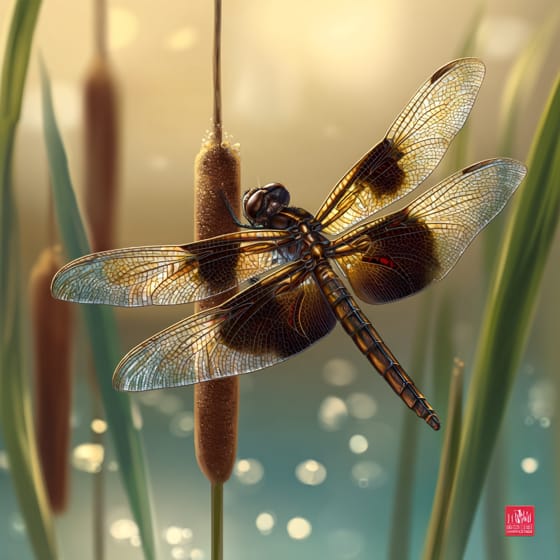
Libellula luctuosa
Dragonflies are aerial predators of smaller flies.
Nymphaea odorata
The fly's long proboscis reaches deep nectar.
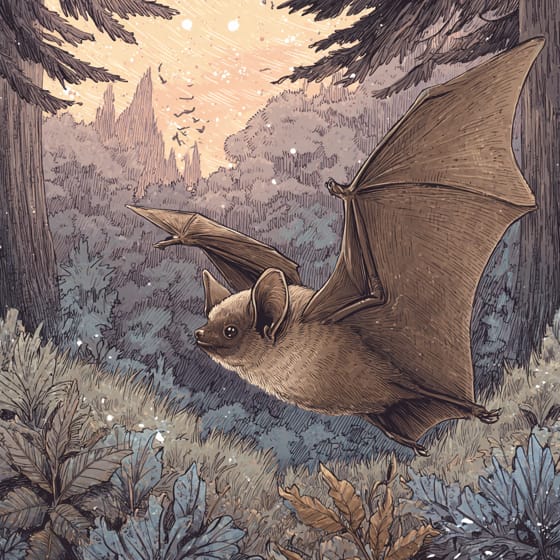
Myotis lucifugus
Bats actively hunt flying insects at dusk.
Social animals live in organized groups, cooperating for survival benefits such as foraging, defense, and raising offspring.
Colorful describes organisms or objects displaying a wide range of bright and distinct colors.
This trait characterizes organisms whose diet consists entirely or primarily of plant material.
Describes plants that are particularly attractive and beneficial to a wide range of pollinating organisms.

This habitat trait identifies species found in wetlands, which are areas of land saturated with water, either permanently or seasonally, including marshes, swamps, and bogs.

Diurnal animals are primarily active during daylight hours, typically resting or sleeping at night.

Describes organisms that transfer pollen, enabling the fertilization and reproduction of plants.
No aliases listed yet.
Danger
1/5 · Very low
These flies are harmless, but it's best to watch them from a distance.
The easiest way to identify Long-nosed Swamp Fly is to use the Snappit nature identifier app.
15-25 mm
8-15 mm
15-30 days
12 km/h
These flies sip nectar from flowers like a hummingbird and help plants make seeds!
Wetlands
Foraging
Zoom in to split clusters and explore where this object has been snapped.
May 29, 2026
Sheepscot Historic DistrictPhoto attribution
no rights reserved
License: CC0 1.0 ↗
Image may be shown cropped inside the card frame.
Take the discovery with you
Snap it with Snappit to identify it, learn what makes it special, and add the discovery to your collection.








.jpg&width=800)



