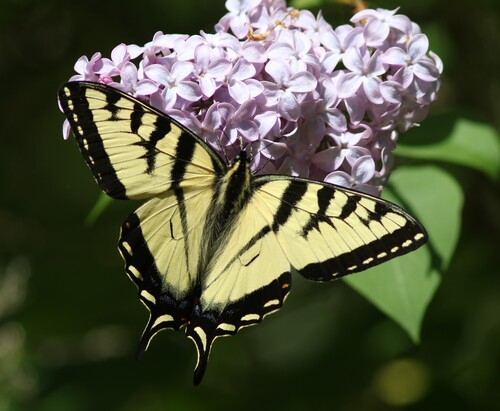





Monarch Butterfly

Step back in time at the Sheepscot Historic District, a beautifully preserved 1,200-acre snapshot of early American life in coastal Maine.
Step back in time at the Sheepscot Historic District, a beautifully preserved 1,200-acre snapshot of early American life in coastal Maine. Nestled along the picturesque Sheepscot River, this remarkable district offers an authentic glimpse into centuries of history, from Native American heritage to colonial settlements and 19th-century architecture. Its untouched landscape and historic roadways provide a unique journey through a bygone era, making it a truly special destination for history enthusiasts and nature lovers alike.
The district is distinguished by its collection of well-preserved 19th-century buildings, showcasing architectural styles such as Federal, Greek Revival, and Italianate. Visitors can wander along The King's Highway, one of Maine's oldest roads, and admire the historic houses that line its path. The iconic Sheepscot Community Church stands as a prominent landmark, reflecting the enduring spirit of this riverside village. The Sheepscot River itself, where Dyer Brook gracefully merges, offers scenic views and a tranquil backdrop to the historical narrative.
Visiting the Sheepscot Historic District is an immersive experience that transports you away from the modern world. It’s a place where history whispers from every old home and ancient pathway, offering a serene environment for reflection and discovery. The district's commitment to preserving its heritage ensures that each visit is not just a tour, but a genuine connection to Maine's rich past, leaving you with lasting memories of its timeless charm and scenic beauty. Planning to visit? Download the Snappit app to identify the wildlife you spot in real-time.
The Sheepscot Historic District boasts a profound history, with archaeological evidence suggesting Native American activity long before European arrival. Colonial settlement in the area dates back to at least the 1630s, and possibly even the 1620s, making it one of the earliest settled regions in Maine. Located strategically between major land grants, the area witnessed significant early development. A pivotal moment in its development was the construction of the first bridge spanning the Sheepscot River in 1794, connecting the towns of Newcastle and Alna. The district was officially added to the National Register of Historic Places on June 23, 1978, in recognition of its exceptional preservation and historical significance, including its status as an area that has seen little alteration for over a century.
Stroll the historic streets, take photographs of the preserved buildings, learn about early colonial life, and enjoy the natural beauty of the river.
Spring: Blooming wildflowers and fresh greenery along the riverbanks.
Summer: Ideal for walking and enjoying the warm Maine weather, potentially with local events.
Autumn: Spectacular fall foliage provides a colorful backdrop to the historic structures.
Winter: The district offers a quieter, snow-dusted charm, though some services might be limited.
As a historic district with older roadways and natural terrain, accessibility may vary. Paved sections exist along the main road, but some areas might have uneven surfaces. It's advisable to check with local tourism offices for specific accessible routes.
Walk along this ancient roadway, one of Maine's oldest.
Admire the historic architecture of this central village landmark.
Observe the distinctive Federal, Greek Revival, and Italianate architectural styles of the 19th-century residences.
Enjoy the tranquil scenery where Dyer Brook meets the river.
Each card links to a full Explore page with photos, traits, and fun facts.
Start with the big picture, then zoom in to explore individual wildlife observations around this place.
Wear comfortable shoes suitable for walking on potentially uneven historic roads and pathways.
Bring a camera to capture the picturesque historic architecture and scenic river views.
Allow ample time to wander and absorb the tranquil atmosphere; don't rush your visit.
Consider visiting during off-peak hours for a more serene experience and better photo opportunities.
Check local weather forecasts and dress in layers, especially when visiting during the shoulder seasons.
Look for informational markers or plaques that may provide additional historical context about specific buildings or sites.
Jun 6, 2026
Photo attribution
no rights reserved
License: CC0 1.0 ↗
Image may be shown cropped inside the card frame.
Jun 4, 2026
Photo attribution
no rights reserved
License: CC0 1.0 ↗
Image may be shown cropped inside the card frame.
May 29, 2026
Photo attribution
no rights reserved
License: CC0 1.0 ↗
Image may be shown cropped inside the card frame.
May 29, 2026
Photo attribution
no rights reserved
License: CC0 1.0 ↗
Image may be shown cropped inside the card frame.
May 29, 2026
Photo attribution
no rights reserved
License: CC0 1.0 ↗
Image may be shown cropped inside the card frame.

Maryland, US
You might spot White-Tailed Deer and Eastern Gray Squirrel.
View guide →
.jpg)
District of Columbia, US
You might spot Eastern Gray Squirrel, Duck, and House Sparrow.
View guide →

Illinois, US
You might spot American Robin, Canada Goose, and House Sparrow.
View guide →

Virginia, US
You might spot Spotted Lanternfly and Northern Cardinal.
View guide →
Take the discovery with you
Identify the wildlife you spot, learn as you go, and keep a collection of the adventure.