





Long-tailed Macaque
Macaca fascicularis
Long-tailed macaques are playful monkeys with long tails that help them balance in trees. They live in groups and love to swing from branch to branch, making them fun to watch!
Habitat: Forests
The Long-tailed Macaque has an olive-brown to reddish-brown coat with lighter undersides. It is easily recognized by its distinctive long, gray tail, which is often longer than its body, and a dark muzzle framed by cheek whiskers.
Category
MammalsRarity
Common
Danger
3/5 · Moderate
Snaps
Be the first to snap!
Their big cheek pouches can hold extra food, like a snack bag!
They often live in big social groups, sometimes with over 30 monkeys!
They're called 'crab-eating macaques' but eat many things, not just crabs!
Young macaques learn by watching adults, like how to open tricky foods!
Long-tailed Macaque can dive and swim adeptly because of their comfort in water, helping them find food or escape danger.
Long-tailed Macaque can use stones as tools because of their clever hands, helping them open tough shellfish for a meal.
Long-tailed Macaque has highly dexterous hands and feet that help them grip branches firmly and manipulate small objects.
An omnivore, the long-tailed macaque enjoys a varied diet of fruits, insects, small animals, and even crabs!
Age differences: Infants rely on mother's milk; juveniles learn foraging skills from adults.
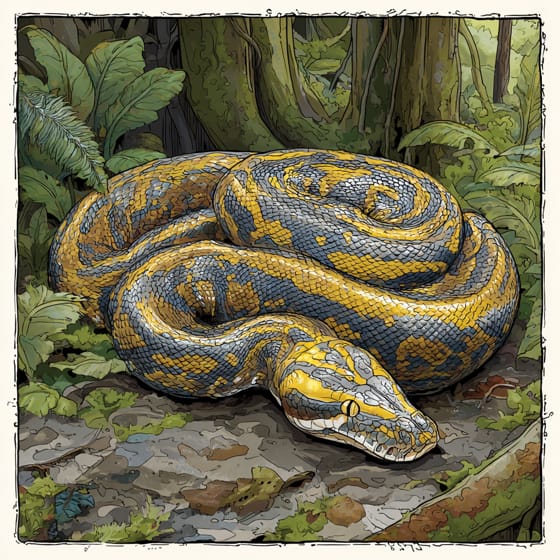
Python reticulatus
Large snakes are a predator, especially for young.
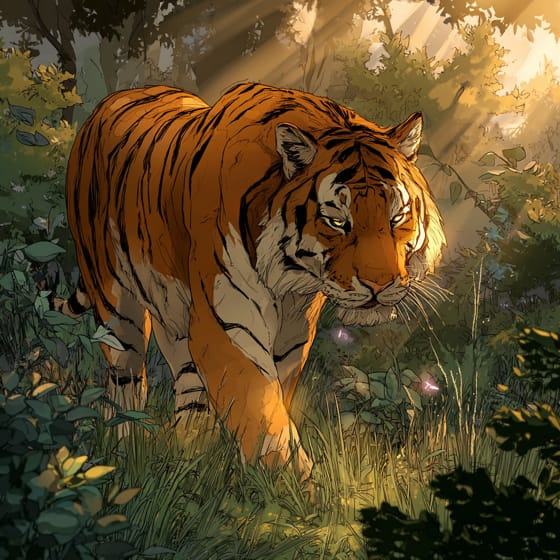
Panthera tigris
Large cats occasionally prey on macaques.
Uca annulipes
Hunts various crab species in coastal habitats.
Ficus microcarpa
Feeds on the fruits of fig trees in its habitat.
Furry describes animals possessing a dense covering of soft hair or fur.
Social animals live in organized groups, cooperating for survival benefits such as foraging, defense, and raising offspring.
This trait identifies organisms whose diet includes both plant and animal matter.
Arboreal animals live primarily in trees, utilizing them for shelter, food, and protection from predators.

This trait describes organisms that manipulate external objects to achieve a specific goal.

Forest habitats are terrestrial environments dominated by dense tree cover, supporting a high diversity of plant and animal life.

Diurnal animals are primarily active during daylight hours, typically resting or sleeping at night.

Endangered status indicates a species is at a very high risk of extinction in the wild in the near future.
Danger
3/5 · Moderate
Always watch macaques from a distance. They can be curious and may grab things if you get too close.
The easiest way to identify Long-tailed Macaque is to use the Snappit nature identifier app.
38-60 cm
2.5-8 kg
20-30 years
25 km/h
An omnivore, the long-tailed macaque enjoys a varied diet of fruits, insects, small animals, and even crabs!
Forests
Foraging
Zoom in to split clusters and explore where this object has been snapped.
Recent snaps will appear here as new observations are added.
Take the discovery with you
Snap it with Snappit to identify it, learn what makes it special, and add the discovery to your collection.





.jpg&width=800)

.JPG&width=800)



.jpg&width=800)
