





Longleaf Phlox
Phlox longifolia
Longleaf Phlox is a beautiful flower that blooms in lovely shades of pink and purple. It grows in sunny spots and attracts butterflies and bees, making gardens colorful and lively!
Habitat: Grasslands
The Longleaf Phlox has unique, long, and very narrow leaves, resembling pine needles. Its star-shaped flowers bloom in clusters, showcasing vibrant hues of pink, lavender, or white, often creating a blanket of color.
Category
PlantsRarity
Common
Danger
1/5 · Very low
Snaps
3
Early naturalists prized Phlox longifolia for its beauty, often collecting specimens for study.
Its specific name, 'longifolia,' literally means 'long-leaved,' highlighting its unique foliage!
Some Phlox species can even change their flower color slightly throughout the day!
The vibrant blooms often create stunning 'superblooms,' painting entire hillsides with color!
Longleaf Phlox has deep roots that help it find water, enabling it to thrive in dry, sandy soils.
Its bright flowers and sweet nectar act as a beacon, attracting essential pollinators like butterflies and moths.
As a perennial, Longleaf Phlox can survive harsh winters by regrowing from its roots each spring.
Papilio polyxenes
Visits flowers for nectar.
Bombus occidentalis
Actively collects nectar and pollen.
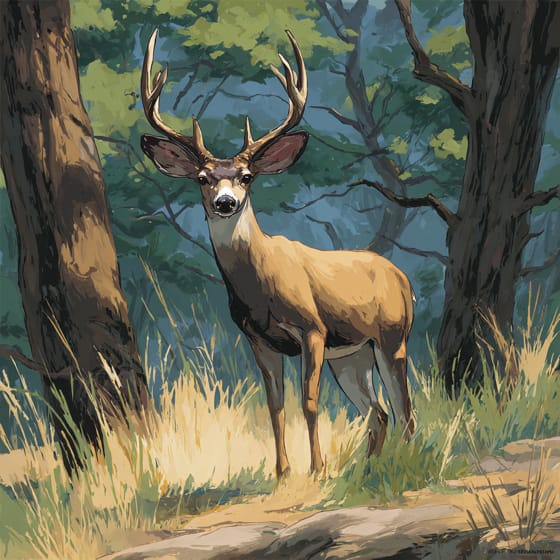
Odocoileus hemionus
Might browse on the foliage.
Flowering plants are any plants that produce flowers as part of their reproductive cycle.
Spring blooming plants produce their flowers during the spring season, often signifying the end of winter and the start of new growth.
Fragrant flowers emit a pleasant aroma, often to attract pollinators or for defense.
Colorful describes organisms or objects displaying a wide range of bright and distinct colors.

Grassland habitats are terrestrial biomes dominated by grasses and herbaceous plants, supporting a variety of grazing animals.

Describes plants that are particularly attractive and beneficial to a wide range of pollinating organisms.

Rapid growing plants exhibit accelerated growth rates, quickly increasing in size and biomass within a short period.
No aliases listed yet.
Danger
1/5 · Very low
Always look but don't pick flowers in nature, so they can keep growing for everyone to enjoy.
The easiest way to identify Longleaf Phlox is to use the Snappit nature identifier app.
10-45 cm
15-30 cm
1-2.5 cm
Spring to early summer
No
None
Perennial
Zoom in to split clusters and explore where this object has been snapped.

Washington, US
You might spot Red-Tailed Hawk and Colorado Checkered Whiptail.
View guide →

Wyoming, US
You might spot Moose and Yellow-Bellied Marmot.
View guide →

Wyoming, US
You might spot Moose and Yellow-Bellied Marmot.
View guide →

Wyoming, US
You might spot Moose, Black Bear, and Sticky Geranium.
View guide →

Utah, US
You might spot Eastern Fox Squirrel, Black-Billed Magpie, and Bee.
View guide →
Take the discovery with you
Snap it with Snappit to identify it, learn what makes it special, and add the discovery to your collection.








.jpg&width=800)


_001.jpg&width=800)




