





white brodiaea
Triteleia hyacinthina
The white brodiaea is a beautiful flower that blooms in spring. It has lovely star-shaped petals that can brighten up any garden or meadow!
Habitat: Grasslands
The white brodiaea has delicate, bell-shaped or funnel-shaped flowers that are typically pure white, sometimes with a slight purple or greenish tinge. These lovely blossoms are grouped in a cluster atop a tall, slender, leafless stem, making them look like miniature hyacinths.
Category
PlantsRarity
Common
Danger
1/5 · Very low
Snaps
3
It’s sometimes called 'Fool's Onion' because its corms look like small onions.
Native Americans ate its delicious corms raw or roasted for a tasty treat!
The plant can produce tiny 'bulbils' around its main corm to make new plants!
You might find it growing happily in challenging, nutrient-poor serpentine soils!
White brodiaea stores water and nutrients in an underground corm that helps it survive dry seasons.
Its clustered flowers create a larger, more visible target, attracting many helpful insect pollinators.
This plant has adapted to grow in dry soils, using its corm to store resources for tough times.
Apis mellifera
Gathers nectar and pollen

Bombus vosnesenskii
Visits flowers for nectar

Thomomys bottae
Consumes underground corms
Flowering plants are any plants that produce flowers as part of their reproductive cycle.
Cluster flowers are inflorescences where individual flowers are arranged closely together on a common stem.
Spring blooming plants produce their flowers during the spring season, often signifying the end of winter and the start of new growth.
Colorful describes organisms or objects displaying a wide range of bright and distinct colors.

Grassland habitats are terrestrial biomes dominated by grasses and herbaceous plants, supporting a variety of grazing animals.

Describes plants that are particularly attractive and beneficial to a wide range of pollinating organisms.
No aliases listed yet.
Danger
1/5 · Very low
Always look but don't pick flowers, so everyone can enjoy them!
The easiest way to identify white brodiaea is to use the Snappit nature identifier app.
10-60 cm
10-20 cm
1-2.5 cm
Spring_to_summer
Yes
None
Perennial
Zoom in to split clusters and explore where this object has been snapped.
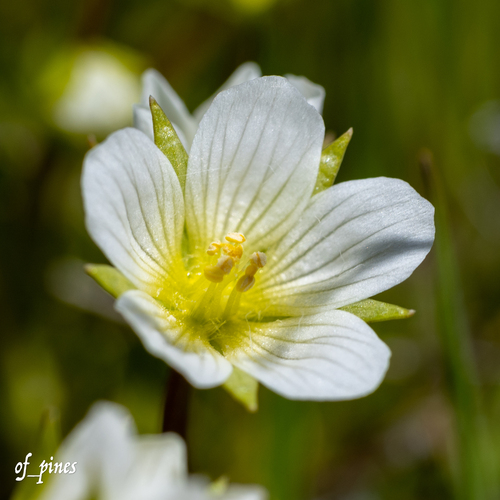
Oregon, US
You might spot Woolly Meadowfoam and California Goldfields.
View guide →

Oregon, US
You might spot Bald Eagle, Golden Eagle, and Snowy Owl.
View guide →

California, US
You might spot White Globe Lily, California Buckeye, and Rose Campion.
View guide →
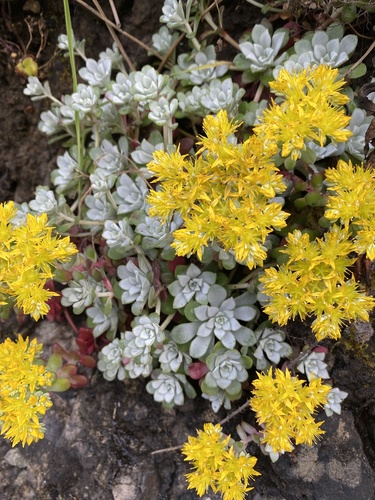
British Columbia, CA
You might spot Broad-Leaved Stonecrop and Western Rattlesnake Plantain.
View guide →
Take the discovery with you
Snap it with Snappit to identify it, learn what makes it special, and add the discovery to your collection.







.jpg&width=800)



_001.jpg&width=800)




