_(30117012420).jpg&width=800)





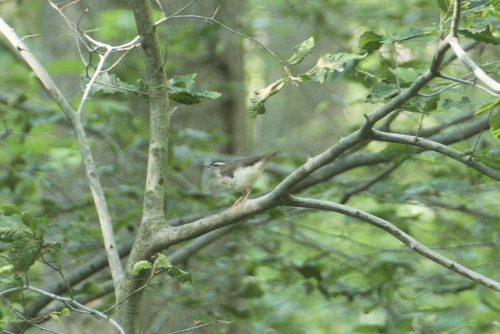
Louisiana Waterthrush
Parkesia motacilla
The Louisiana Waterthrush is a small bird that loves to live near water. It has a beautiful song and is known for hopping around on the ground looking for tasty bugs and worms.
Habitat: Wetlands
The Louisiana Waterthrush is a medium-sized warbler with a brownish-olive back and clean white underparts, streaked faintly with dark brown. A prominent white stripe above its eye, called a supercilium, contrasts sharply with its dark crown, and it has pinkish legs.
Category
BirdsRarity
Common
Danger
1/5 · Very low
Snaps
5
Each male defends a long stretch of stream, announcing his territory with a powerful, echoing song.
They are very picky about their homes, needing pristine, fast-flowing forest streams to thrive.
This tiny warbler often walks *underwater* to find its favorite food, aquatic insect larvae!
Unlike most warblers, they spend their days walking along the ground near water, not in trees!
Louisiana Waterthrush can wade and walk along streambeds, using its long legs to hunt aquatic insects in rushing water.
Has a distinctive tail-bobbing motion that helps it balance on slippery rocks and blends into the moving water.
Can sing a loud, rapid, and complex song that cuts through the noise of its fast-flowing stream habitat.
They mostly eat insects and larvae found in or near freshwater streams.

Accipiter striatus
A swift predator that hunts small birds.
Thamnophis sirtalis
Preys on eggs and nestlings.
Stenacron interpunctatum
Feeds on larvae and nymphs in streams.
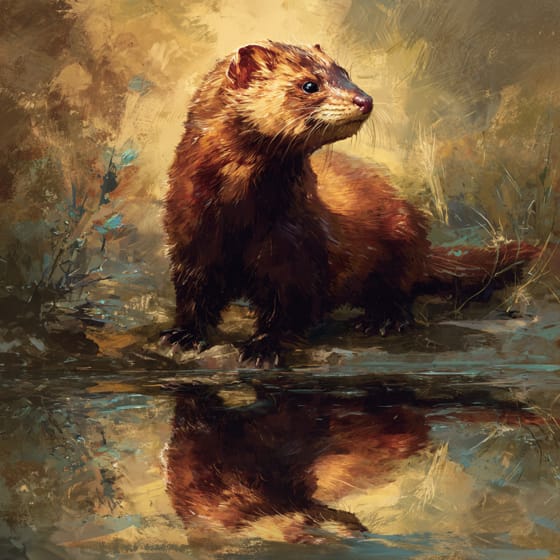
Mustela vison
A riparian predator that preys on ground-nesting birds.
Feathered describes animals, primarily birds, possessing a covering of feathers.
Singing animals produce complex vocalizations, often for purposes of attracting mates, defending territory, or communicating within their species.
This trait identifies organisms whose diet primarily consists of insects and other small invertebrates.
This habitat trait identifies species found in wetlands, which are areas of land saturated with water, either permanently or seasonally, including marshes, swamps, and bogs.

Diurnal animals are primarily active during daylight hours, typically resting or sleeping at night.

Aquatic habitats encompass environments where organisms live predominantly in water, including oceans, rivers, lakes, and wetlands.

Migratory animals undertake seasonal movements from one region to another, typically in response to changes in climate or food availability.
No aliases listed yet.
Danger
1/5 · Very low
Always watch birds from a distance and be quiet so you don't scare them away.
The easiest way to identify Louisiana Waterthrush is to use the Snappit nature identifier app.
14-16 cm
23-25 cm
0.017-0.021 kg
3-8 years
45 km/h
They mostly eat insects and larvae found in or near freshwater streams.
Wetlands
Zoom in to split clusters and explore where this object has been snapped.
May 29, 2026
Harpers Ferry Historic DistrictPhoto attribution
(c) Scott Harris, some rights reserved (CC BY)
License: CC BY 4.0 ↗
Image may be shown cropped inside the card frame.

Alabama, US
You might spot Eastern Box Turtle, Carolina Wren, and Field Sparrow.
View guide →
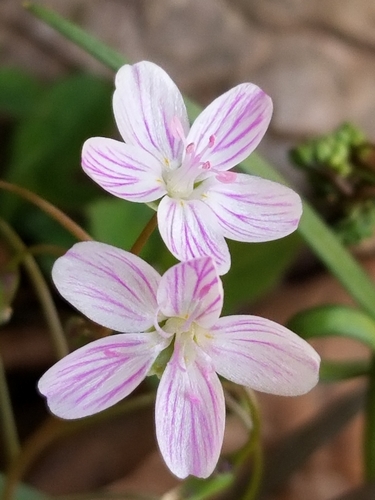
New Jersey, US
You might spot Virginia Springbeauty, Wineberry, and Multiflora Rose.
View guide →

California, US
You might spot California Buckwheat and Common Side-Blotched Lizard.
View guide →

North Carolina, US
You might spot Common Watersnake, Fowler's Toad, and Fire Pink.
View guide →

West Virginia, US
You might spot Spotted Lanternfly, Common Pawpaw, and Virginia Bluebells.
View guide →

Virginia, US
You might spot American Sweetgum and Japanese Stiltgrass.
View guide →
Take the discovery with you
Snap it with Snappit to identify it, learn what makes it special, and add the discovery to your collection.




.jpg&width=800)








