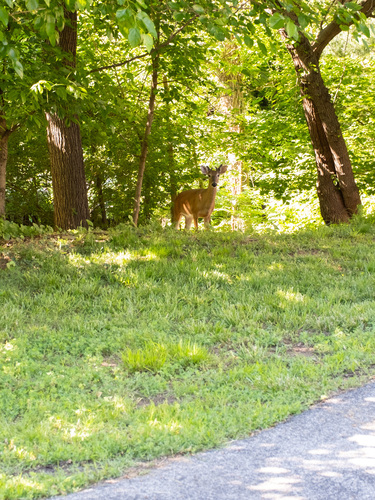




White Tailed Deer

Harpers Ferry National Historical Park offers a captivating blend of history and natural beauty.
Harpers Ferry National Historical Park offers a captivating blend of history and natural beauty. Nestled at the dramatic confluence of the Potomac and Shenandoah Rivers, where West Virginia, Maryland, and Virginia meet, this park preserves a pivotal landscape in American history, from its role in the industrial revolution to John Brown's fateful raid and significant Civil War events. Visitors can immerse themselves in a preserved 19th-century village, explore battlefields, and witness breathtaking scenic vistas.
The park boasts a wealth of historical sites, including John Brown's Fort, a key landmark in the abolitionist movement, and the charming Lower Town, lined with restored buildings housing museums, exhibits, and shops that transport you back in time. Beyond the historical narrative, the area offers impressive natural landscapes. Hiking trails like the challenging Maryland Heights Trail or the more leisurely Jefferson Rock Trail provide panoramic views of the rivers and the picturesque town below.
A visit to Harpers Ferry is an unforgettable journey through time and nature, promising both educational enrichment and outdoor adventure. It’s a place where majestic rivers carve through the Blue Ridge Mountains, creating a stunning backdrop for stories of innovation, conflict, and the fight for freedom that shaped the nation. Whether you're delving into its complex past or exploring its scenic trails, Harpers Ferry leaves a lasting impression on every traveler. Turn your visit into a safari! Use the Snappit app to scan and log wildlife sightings here.
The history of Harpers Ferry is rich and multi-layered, beginning with Robert Harper, who established a ferry across the Potomac River in 1747. George Washington recognized the strategic importance of the site and chose it for a federal armory and arsenal, with construction starting in 1799. This turned Harpers Ferry into a significant industrial center, perfecting the manufacturing method of interchangeable parts. The town gained national infamy in 1859 with abolitionist John Brown's raid on the federal armory, an event considered a catalyst for the American Civil War. During the Civil War, Harpers Ferry became a crucial site, changing hands multiple times and witnessing the largest surrender of Federal troops to Confederate General Stonewall Jackson in 1862. Following the war, Storer College was established in 1869, providing education for formerly enslaved people and hosting meetings of the Niagara Movement, a precursor to the NAACP. The area was designated a National Monument in 1944 and a National Historical Park in 1963, preserving its diverse heritage.
Take ranger-led programs to learn about the park's natural and cultural history.
* Hike over 20 miles of trails, ranging from easy riverside strolls to challenging mountain treks.
* Explore museums and exhibits covering John Brown's Raid, Civil War history, industrial heritage, and the struggle for freedom and civil rights.
* Engage in river-based activities like kayaking, canoeing, tubing, or paddleboarding on the Potomac and Shenandoah Rivers.
* Walk the Chesapeake & Ohio (C&O) Canal Towpath.
* Visit the John Brown Wax Museum for an immersive experience.
Spring: Mild temperatures, blooming wildflowers, and higher water levels for kayaking and rafting.
Summer: Warm and sunny, with average highs around 85°F, popular for outdoor activities but can be crowded. Expanded daylight hours for tours and museums.
Fall: Optimal weather, vivid foliage, and fewer crowds than summer.
Winter: Quieter experience, though some trails may be icy or snow-covered. Limited event availability.
Accessible parking spaces are available at the Visitor Center.
* Park shuttle buses are equipped for physical limitations, including lifts.
* Some exhibits, museums, and outdoor waysides have tactile components and audio descriptions.
* The Riverfront Trail is paved and wheelchair accessible.
* Wheelchairs are available for loan at the Visitor Center. However, due to the historic setting, not all areas and buildings are fully accessible.
Explore restored 19th-century buildings, museums, and shops.
The iconic fire engine house central to John Brown's 1859 raid.
Witness the dramatic confluence of the Potomac and Shenandoah Rivers, offering views of West Virginia, Maryland, and Virginia.
A scenic overlook offering panoramic views of the Shenandoah River and historic ruins.
Each card links to a full Explore page with photos, traits, and fun facts.
Start with the big picture, then zoom in to explore individual wildlife observations around this place.
Park at the Visitor Center
Always start your visit at the main Visitor Center (171 Shoreline Drive, Harpers Ferry, WV 25425) and take the free shuttle into Lower Town to avoid parking difficulties.
Wear comfortable shoes
The park involves a lot of walking, including cobblestone streets and various hiking trails.
Bring water and snacks
Especially if you plan on hiking, staying hydrated is crucial. Picnicking is allowed near the Visitor Center, but not in Lower Town.
Plan ahead for crowds
Spring, summer, and fall can be busy. Arrive early, especially on weekends, and have a backup plan if popular trails like Maryland Heights are crowded.
Be trash-free
Harpers Ferry is a "Trash Free Park." Carry out everything you bring in, including food and pet waste.
Check operating hours
While park grounds are open sunrise to sunset, building and shuttle hours vary by season and holiday. Check the official park website for current times.
Jun 6, 2026
Photo attribution
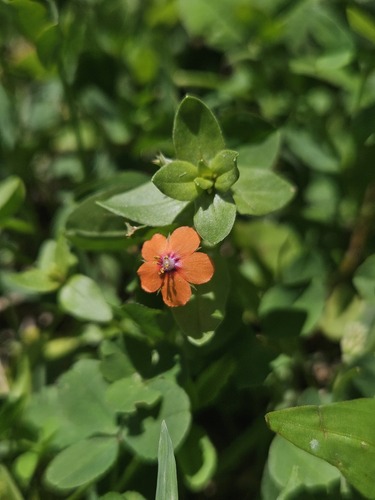
(c) Jacob Malcom, some rights reserved (CC BY-SA)
License: CC BY-SA 4.0 ↗
Image may be shown cropped inside the card frame.
May 31, 2026
Photo attribution
(c) Alex Abair, some rights reserved (CC BY)
License: CC BY 4.0 ↗
Image may be shown cropped inside the card frame.
May 30, 2026
Photo attribution
(c) Alex Abair, some rights reserved (CC BY)
License: CC BY 4.0 ↗
Image may be shown cropped inside the card frame.
May 29, 2026
Photo attribution
(c) Scott Harris, some rights reserved (CC BY)
License: CC BY 4.0 ↗
Image may be shown cropped inside the card frame.
May 28, 2026
Photo attribution
(c) Alex Abair, some rights reserved (CC BY)
License: CC BY 4.0 ↗
Image may be shown cropped inside the card frame.

Maryland, US
You might spot White-Tailed Deer and Eastern Gray Squirrel.
View guide →
.jpg)
District of Columbia, US
You might spot Eastern Gray Squirrel, Duck, and House Sparrow.
View guide →

Illinois, US
You might spot American Robin, Canada Goose, and House Sparrow.
View guide →

Virginia, US
You might spot Spotted Lanternfly and Northern Cardinal.
View guide →
Take the discovery with you
Identify the wildlife you spot, learn as you go, and keep a collection of the adventure.