




Lupine
Lupinus
Lupines are colorful flowers that grow in many places around the world. They come in shades of purple, pink, blue, and white, brightening up meadows and gardens.
Habitat: Grasslands
The Lupine has distinctive palmate leaves that resemble a hand and tall, showy flower spires. Its vibrant pea-like blossoms bloom in dense clusters, often in shades of purple, blue, pink, or white, making them easily recognizable.
Category
PlantsRarity
Common
Danger
1/5 · Very low
Snaps
Be the first to snap!
Ancient lupine seeds, 10,000 years old, have sprouted when warmed!
Its name 'Lupine' comes from 'wolf' in Latin, once thought to 'steal' soil nutrients!
Lupine plants have leaves that cleverly fold up at night to save water.
Some varieties of lupine seeds are soaked and eaten like beans in the Mediterranean!
Lupine can fix nitrogen from the air into the soil, helping itself and other plants grow stronger!
Lupine has a deep taproot that helps it find water far underground, staying hydrated in dry places.
Lupine produces special bitter chemicals called alkaloids that can deter hungry animals from eating it.
Bombus terrestris
Visits flowers for nectar and pollen.
Rhizobium leguminosarum
Forms nodules to fix nitrogen for the plant.

Odocoileus virginianus
Browses on leaves and shoots, especially young plants.
Herbaceous plants are non-woody plants with soft stems that typically die back to the ground at the end of the growing season.
Flowering plants are any plants that produce flowers as part of their reproductive cycle.
Describes organisms capable of converting atmospheric nitrogen into compounds usable by plants.
Biennial plants complete their life cycle over two growing seasons, typically forming foliage in the first year and flowering/seeding in the second.

Fragrant flowers emit a pleasant aroma, often to attract pollinators or for defense.

Grassland habitats are terrestrial biomes dominated by grasses and herbaceous plants, supporting a variety of grazing animals.

This trait characterizes organisms with an exceptionally long lifespan compared to others of their kind.
Danger
1/5 · Very low
Enjoy looking at lupines, but avoid picking them to let them grow and spread.
The easiest way to identify Lupine is to use the Snappit nature identifier app.
30-150 cm
30-60 cm
1-2 cm
Spring to summer
No
Moderate
Perennial
Zoom in to split clusters and explore where this object has been snapped.
Recent snaps will appear here as new observations are added.
British Columbia, CA
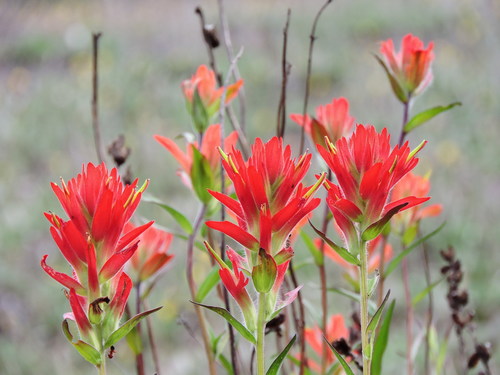
You might spot Giant Red Paintbrush, Lupines, and Broadleaf Arnica.
View guide →

British Columbia, CA
You might spot Douglas Fir, Silverleaf Phacelia, and Rocky Mountain Maple.
View guide →
British Columbia, CA
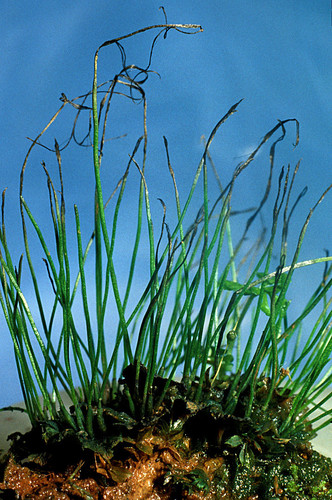
You might spot Hornwort, Silverleaf Phacelia, and Big Rough Fescue.
View guide →
Take the discovery with you
Snap it with Snappit to identify it, learn what makes it special, and add the discovery to your collection.








.jpg&width=800)


_001.jpg&width=800)



