





Lynxes
Lynx
Lynxes are beautiful wild cats with long tufts on their ears and fluffy fur. They are great at hiding in the snow and love to hunt for small animals like rabbits and birds.
Habitat: Forests
The Lynxes has short, bobbed tails, distinctive black tufts on their ears, and a ruff of fur under their chin. Their large, fur-padded paws and spotted or striped coats help them blend into snowy or forested environments, making them unique among wild cats.
Category
MammalsRarity
Common
Danger
3/5 · Moderate
Snaps
Be the first to snap!
Lynxes can climb trees really well, which helps them escape danger or spot prey.
Lynxes communicate using meows, purrs, growls, and hisses, like a domestic cat.
Their short tail is often called a "bobtail" because it looks like it was bobbed!
They use their extra-long whiskers to feel their way around in the dark forest.
Lynxes has long ear tufts that help them funnel sounds, allowing them to hear prey from far away.
Lynxes can spread their large, fur-padded paws to act like natural snowshoes, helping them move silently over deep snow.
Lynxes has a dappled, dense fur coat that helps them camouflage perfectly within their forest and rocky habitats.
These wild cats are skilled hunters, primarily eating small mammals and birds.

Lepus americanus
Main prey for many lynx species, crucial for their survival.
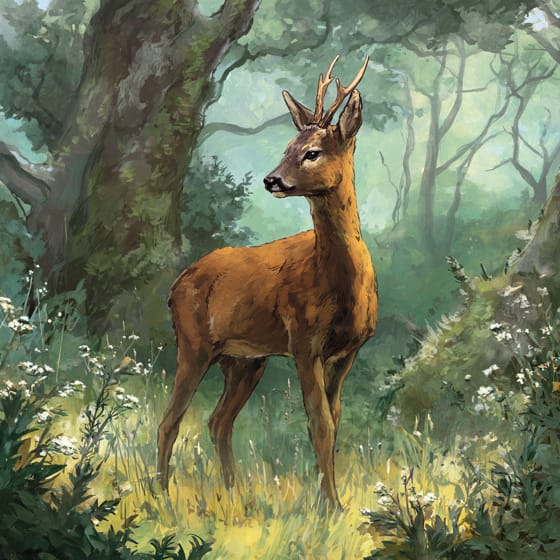
Capreolus capreolus
Eurasian Lynxes often prey on young or sick deer.
Canis lupus
Wolf packs may sometimes kill lynx, especially juveniles.
Furry describes animals possessing a dense covering of soft hair or fur.
Possessing prominent sensory hairs or vibrissae, often around the snout.
Solitary animals live alone for most of their lives, only interacting with others for mating or parental care.
Camouflaged describes organisms that possess coloring or patterns that allow them to blend into their environment.

An ambush predator hunts by patiently waiting and concealing itself, then launching a sudden attack when unsuspecting prey comes within range.

Forest habitats are terrestrial environments dominated by dense tree cover, supporting a high diversity of plant and animal life.

This trait identifies organisms whose diet consists entirely or primarily of animal tissue.

This trait identifies organisms that exhibit exceptional swiftness in movement for hunting, escape, or travel.

Nocturnal animals are primarily active during the nighttime hours, typically resting or sleeping during the day.

Endangered status indicates a species is at a very high risk of extinction in the wild in the near future.
No aliases listed yet.
Danger
3/5 · Moderate
Lynxes are wild animals and should be admired from a distance. Never try to touch or approach them.
The easiest way to identify Lynxes is to use the Snappit nature identifier app.
70-130 cm
5-30 kg
10-15 years
80 km/h
These wild cats are skilled hunters, primarily eating small mammals and birds.
Forests
Ambush
Zoom in to split clusters and explore where this object has been snapped.
Recent snaps will appear here as new observations are added.
Take the discovery with you
Snap it with Snappit to identify it, learn what makes it special, and add the discovery to your collection.




.jpg&width=800)

.JPG&width=800)



.jpg&width=800)
