.jpg&width=800)





Macaca Nigra
macaca nigra
Macaca Nigra, also known as the black macaque, loves to swing through the trees! These playful monkeys are known for their striking black fur and cheeky personalities.
Habitat: They live in the tropical forests of Indonesia.
The Macaca Nigra is an all-black monkey with shiny fur and a striking tall crest of hair on its head, making it look like it has a mohawk. It has a distinctive hairless, dark face with a long muzzle and bright red bare skin on its rump.
Category
MammalsRarity
Common
Danger
1/5 · Very low
Snaps
Be the first to snap!
Macaca Nigra gather in groups called 'troops' that can have over 100 individuals.
These monkeys are also known as the Celebes crested macaque, named after their home island.
They have bright red bare skin on their bottoms, which is a key identifying feature!
They love to eat fruit and can even help rainforest plants spread their seeds.
Macaca Nigra has powerful limbs and a strong grip that helps them leap between trees with amazing agility.
Macaca Nigra can use over ten different vocalizations and complex facial expressions to talk to its group.
Macaca Nigra has nimble fingers and keen eyesight that helps them find tiny insects and delicious fruits.
A diverse omnivore, eating mostly fruits but also leaves, insects, and small animals.
Ficus racemosa
They often consume the fruits of various fig species.
Arenga pinnata
They feed on the fruits of palm trees.
Spizaetus cirrhatus
Young macaques can be preyed upon by large raptors.
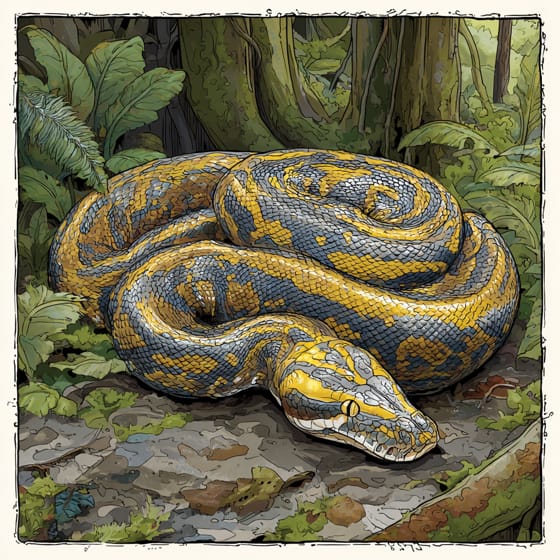
Python reticulatus
Large pythons are known predators of macaques.

Homo sapiens
Hunted for food and as agricultural pests.
Furry describes animals possessing a dense covering of soft hair or fur.
Social animals live in organized groups, cooperating for survival benefits such as foraging, defense, and raising offspring.
This trait identifies organisms whose diet includes both plant and animal matter.
Arboreal animals live primarily in trees, utilizing them for shelter, food, and protection from predators.

Diurnal animals are primarily active during daylight hours, typically resting or sleeping at night.
Danger
1/5 · Very low
Always observe wildlife from a safe distance.
The easiest way to identify Macaca Nigra is to use the Snappit nature identifier app.
45-60 cm
5-10 kg
20-30 years
25 km/h
A diverse omnivore, eating mostly fruits but also leaves, insects, and small animals.
They live in the tropical forests of Indonesia.
Foraging
Zoom in to split clusters and explore where this object has been snapped.
Recent snaps will appear here as new observations are added.
Take the discovery with you
Snap it with Snappit to identify it, learn what makes it special, and add the discovery to your collection.




.jpg&width=800)


.JPG&width=800)



.jpg&width=800)
