





Madagascar Periwinkle
Catharanthus roseus
The Madagascar Periwinkle is a pretty flower that comes in many colors like pink and white. It loves warm places and can often be found in gardens, bringing joy with its bright blooms.
Habitat: Urban areas
The Madagascar Periwinkle has glossy, dark green leaves and five-petaled flowers. Its blooms are typically vibrant pink, white, or purple, often featuring a contrasting 'eye' in the center, making it distinctly colorful.
Category
PlantsRarity
Common
Danger
2/5 · Low
Snaps
9
It can grow quickly, forming bright, colorful carpets on the ground.
Its name comes from Madagascar, its original island home!
Its super tough seeds survive harsh journeys to sprout later!
Scientists study its powerful chemicals for amazing discoveries!
Madagascar Periwinkle produces powerful bitter chemicals that help it defend against hungry herbivores.
Madagascar Periwinkle can thrive in dry, sandy soils and hot weather, helping it survive harsh conditions.
Madagascar Periwinkle has unique compounds that help it fight off pests and diseases, keeping it strong.
In warm, sunny spots, this plant can bloom continuously, helping it attract pollinators year-round.
Manduca sexta
large moth attracted to its flowers
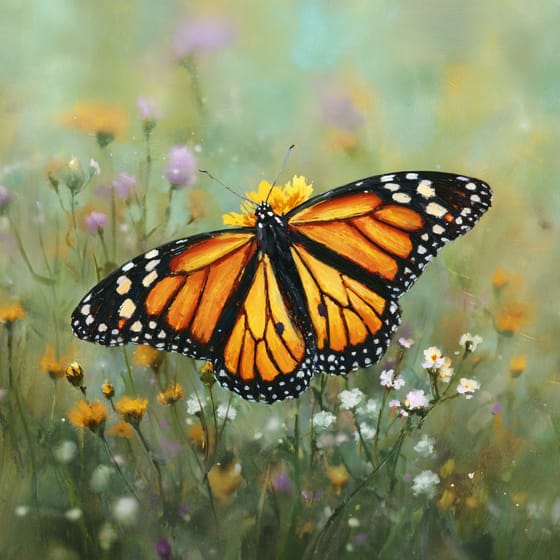
Danaus plexippus
monarch butterflies visit its blooms
Apis mellifera
honey bees sometimes collect nectar
Flowering plants are any plants that produce flowers as part of their reproductive cycle.
A shrub is a woody plant smaller than a tree, typically with multiple stems branching from or near the ground.
Everblooming plants produce flowers continuously or in repeated flushes over a long period.
Medicinal plants possess chemical compounds that can be used for therapeutic purposes to treat illnesses or maintain health.

Drought-tolerant plants can survive and flourish in conditions with limited water availability.

Colorful describes organisms or objects displaying a wide range of bright and distinct colors.

Describes plants that are particularly attractive and beneficial to a wide range of pollinating organisms.

This habitat trait indicates species that can coexist with humans in urban and suburban environments, utilizing man-made structures and green spaces.
Danger
2/5 · Low
Always wash your hands after touching flowers, just to be safe.
The easiest way to identify Madagascar Periwinkle is to use the Snappit nature identifier app.
20-100 cm
20-60 cm
2-5 cm
Year-round in warm climates, summer to fall elsewhere
No
High
Perennial
Zoom in to split clusters and explore where this object has been snapped.

Ohio, US
You might spot Common Eastern Bumble Bee, Rudbeckia, and Bee.
View guide →
Florida, US
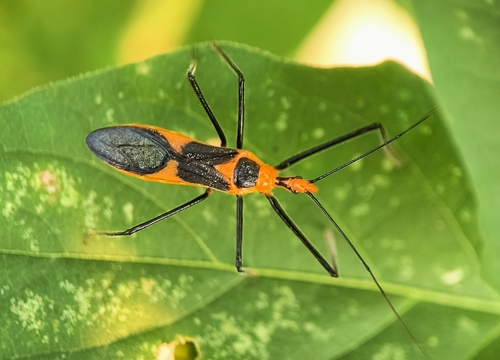
You might spot Milkweed Assassin Bug, Green Iguana, and White Beggarticks.
View guide →

Arkansas, US
You might spot Prairie Lizard, Anole, and Canada Goose.
View guide →

Alabama, US
You might spot Banded Tussock Moth and Southern Pearly-Eye.
View guide →

Hawaii, US
You might spot Spathoglottis Plicata, Thatch Screwpine, and Brown Anole.
View guide →

Florida, US
You might spot Brown Anole, Peters's Rock Agama, and White Ibis.
View guide →
Take the discovery with you
Snap it with Snappit to identify it, learn what makes it special, and add the discovery to your collection.








.jpg&width=800)



_001.jpg&width=800)




