





Madrone Skin Miner
Marmara arbutiella
The Madrone Skin Miner is a tiny insect that loves to live on madrone trees. It makes little tunnels under the tree's skin, which helps the tree stay healthy and strong.
Habitat: Forests
The Madrone Skin Miner is a tiny, slender micromoth, typically metallic silver or gray with intricate dark brown and black markings, including a distinctive black spot on each forewing. Its small size and elongated, narrow wings help it camouflage against tree bark or leaves.
Category
InsectsRarity
Common
Danger
1/5 · Very low
Snaps
Be the first to snap!
It's so small, some adult moths can fit on the tip of your pinky finger!
Its babies live inside tree leaves, munching away like secret agents!
The wavy lines you see on Madrone leaves are art made by this tiny miner!
Wow! This tiny moth got its name from its favorite tree, the Madrone!
Madrone Skin Miner can create winding tunnels inside leaves because its larvae eat plant tissue from within, leaving distinctive silvery trails.
Madrone Skin Miner has metallic scales and dark markings that help them blend perfectly with tree bark, making them hard for predators to spot.
Madrone Skin Miner can quickly reproduce multiple generations in a single year, which helps ensure the survival of its species.
These tiny larvae munch on the juicy insides of Madrone tree leaves, creating unique tunnels.
Age differences: Larvae eat plant tissue, while adult moths likely consume minimal or no nectar.

Arbutus menziesii
Provides food and shelter for the larvae.
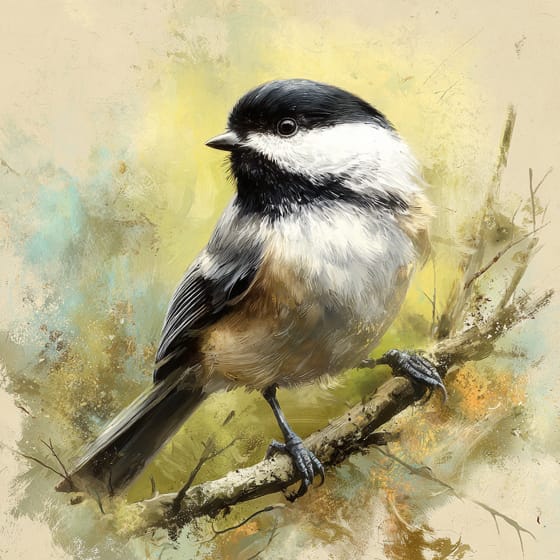
Poecile atricapillus
Small birds prey on adult moths.
Oecobius annulipes
Spiders commonly capture small moths.
Solitary animals live alone for most of their lives, only interacting with others for mating or parental care.
Camouflaged describes organisms that possess coloring or patterns that allow them to blend into their environment.
This trait characterizes organisms whose diet consists entirely or primarily of plant material.
Forest habitats are terrestrial environments dominated by dense tree cover, supporting a high diversity of plant and animal life.

Describes a species whose presence and role have a disproportionately large effect on its environment.

Pertaining to species that are significantly smaller than typical or average for their kind.

Describes organisms that transfer pollen, enabling the fertilization and reproduction of plants.
No aliases listed yet.
Danger
1/5 · Very low
It's best to look at insects from a distance and not touch them.
The easiest way to identify Madrone Skin Miner is to use the Snappit nature identifier app.
6-10 mm
3-5 mm
7-10 days
These tiny larvae munch on the juicy insides of Madrone tree leaves, creating unique tunnels.
Forests
Foraging
6
Zoom in to split clusters and explore where this object has been snapped.
Recent snaps will appear here as new observations are added.
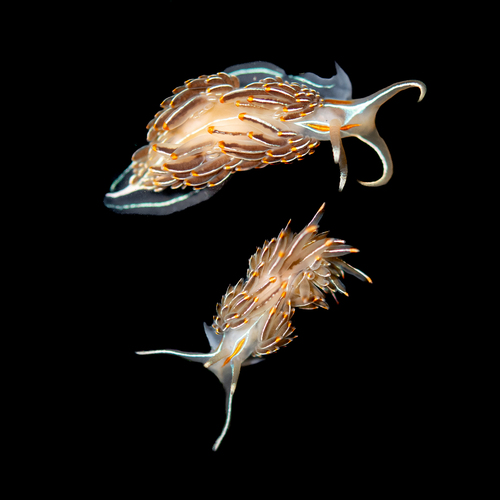
Washington, US
You might spot Horned Nudibranch and Madrone Skin Miner.
View guide →

Washington, US
You might spot American Wigeon and Madrone Skin Miner.
View guide →
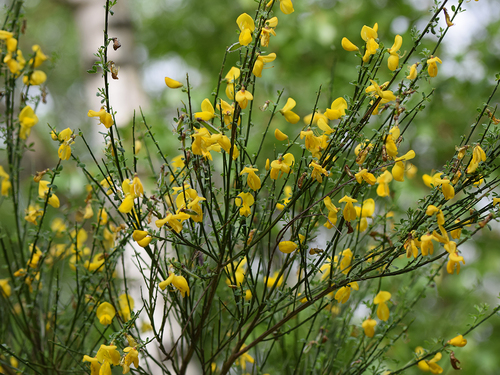
British Columbia, CA
You might spot Scotch Broom, Pacific Trillium, and Fringe Cups.
View guide →

California, US
You might spot Pacific Hound's Tongue, Pacific Trillium, and Redwood.
View guide →
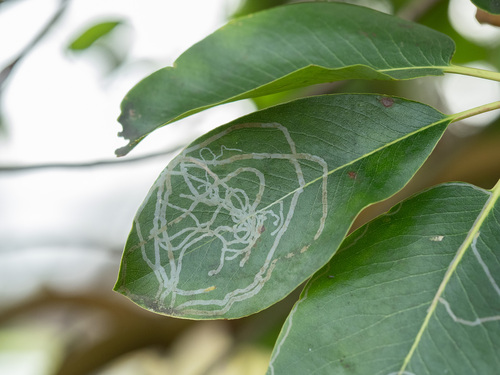
Washington, US
You might spot Madrone Skin Miner, Pacific Madrone, and Western Redcedar.
View guide →
.jpg)
British Columbia, CA
You might spot Pacific Madrone and Shortspur Seablush.
View guide →
Take the discovery with you
Snap it with Snappit to identify it, learn what makes it special, and add the discovery to your collection.








.jpg&width=800)


