





Pacific madrone
Arbutus menziesii
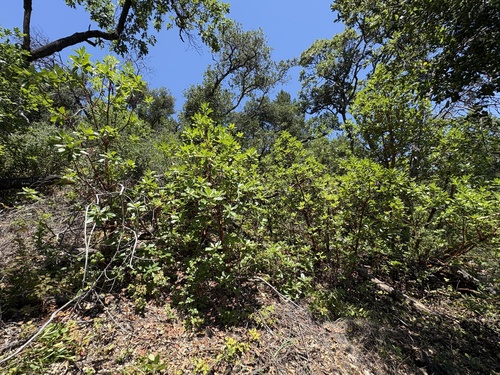
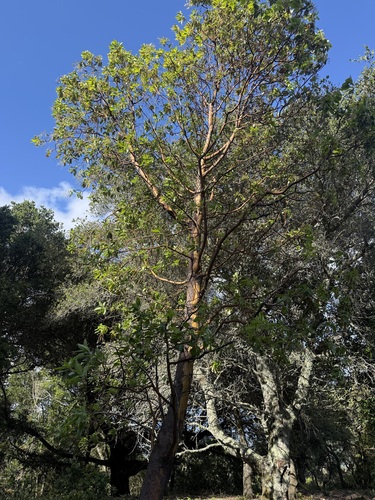
The Pacific madrone is a beautiful tree with smooth, reddish bark and shiny green leaves. It grows in coastal areas and can be found in forests, making it a special part of nature.
Habitat: Coastal areas
The Pacific madrone has striking cinnamon-red bark that peels in thin strips, revealing a smooth, greenish underlayer. It boasts leathery, dark green evergreen leaves and clusters of small, white, bell-shaped flowers that later turn into bright orange-red berries.
Category
PlantsRarity
Common
Danger
1/5 · Very low
Snaps
6
Its bark peels away like paper, revealing a smooth, cool new reddish skin!
Its wood is so incredibly dense and heavy, it actually sinks in water!
Madrone trees can live for over 200 years, becoming ancient giants in the forest!
The beautiful red berries are a favorite snack for many hungry birds and even bears!
Pacific madrone can shed its old bark to reveal smooth, photosynthetic new bark, helping it grow and shed pests.
Pacific madrone has super deep roots that help it reach water deep underground, allowing it to survive dry spells.
Pacific madrone has tough evergreen leaves that stay green all year, letting it make food even in winter.
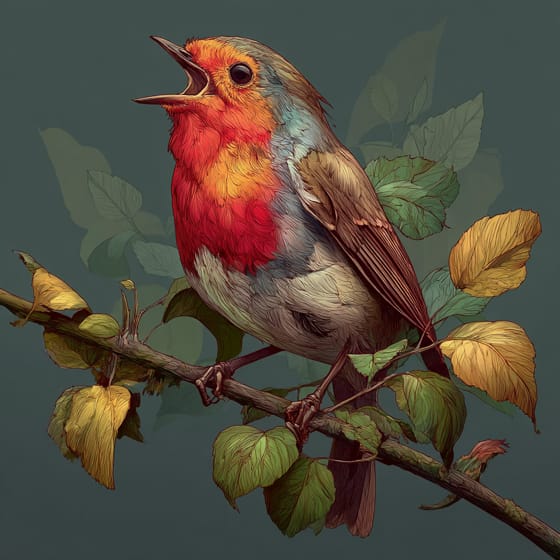
Turdus migratorius
Feeds on sweet red berries.
Ursus americanus
Enjoys eating the madrone berries.
Apis mellifera
Collects nectar from white flowers.

Sialia mexicana
Consumes madrone berries in winter.
Broadleaf trees are angiosperms characterized by flat, wide leaves that are typically shed annually in temperate climates.
Evergreen plants retain their foliage throughout the year, never shedding all their leaves at once.
Fruit-bearing plants produce fruits, which are the mature ovaries of flowering plants containing seeds.
Edible plants are those parts of a plant that are considered safe for human consumption.

Timber refers to wood that has been prepared for use in building and carpentry.

Forest habitats are terrestrial environments dominated by dense tree cover, supporting a high diversity of plant and animal life.

This trait characterizes organisms with an exceptionally long lifespan compared to others of their kind.

Coastal habitats are dynamic environments located along the interface between land and sea, influenced by tides, waves, and saltwater.

Describes organisms that transfer pollen, enabling the fertilization and reproduction of plants.
No aliases listed yet.
Danger
1/5 · Very low
Always look but don't touch the bark; it can be delicate.
The easiest way to identify Pacific madrone is to use the Snappit nature identifier app.
1000-2500 cm
300-1000 cm
0.5-0.7 cm
Spring to early summer
No
Mild
Perennial
Zoom in to split clusters and explore where this object has been snapped.
Jun 17, 2026
Sonoma PlazaPhoto attribution
no rights reserved
License: CC0 1.0 ↗
Image may be shown cropped inside the card frame.
May 4, 2026
El Sereno Open SpacePhoto attribution
(c) lazarus, some rights reserved (CC BY)
License: CC BY 4.0 ↗
Image may be shown cropped inside the card frame.

Oregon, US
You might spot Oregon Oak, Pacific Poison Oak, and American Bullfrog.
View guide →

California, US
You might spot Western Fence Lizard and California Poppy.
View guide →
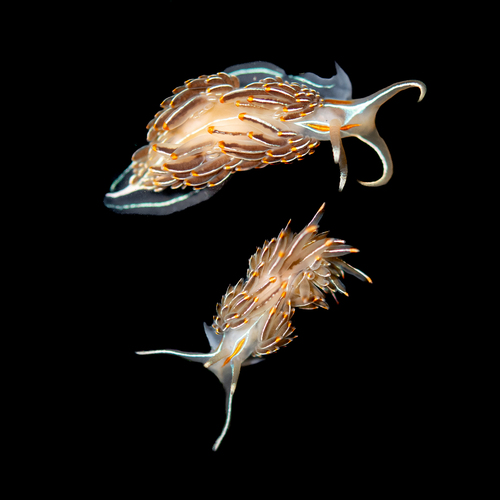
Washington, US
You might spot Horned Nudibranch and Madrone Skin Miner.
View guide →
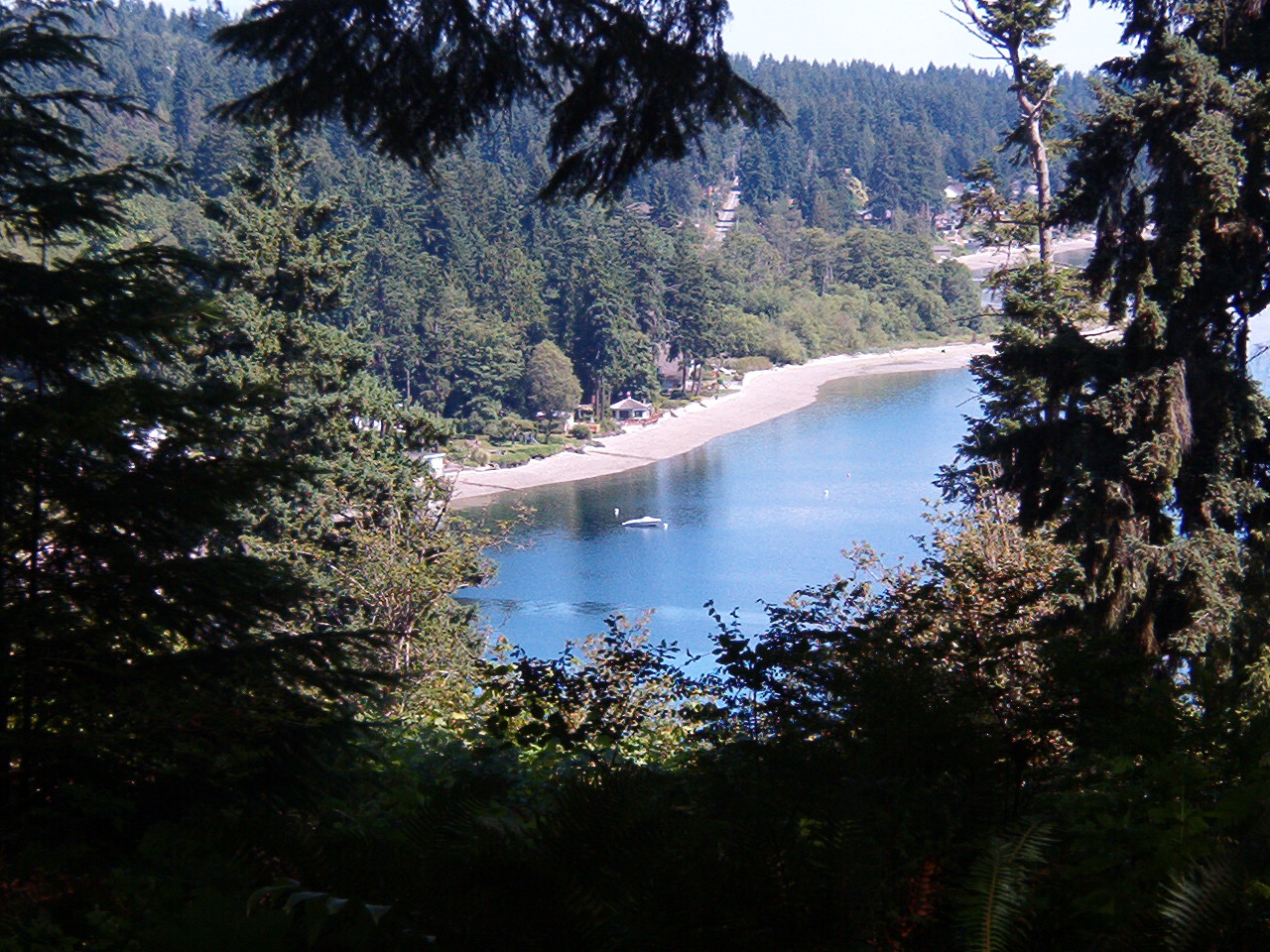
Washington, US
You might spot Surf Scoter, Horned Grebe, and Salmonberry.
View guide →
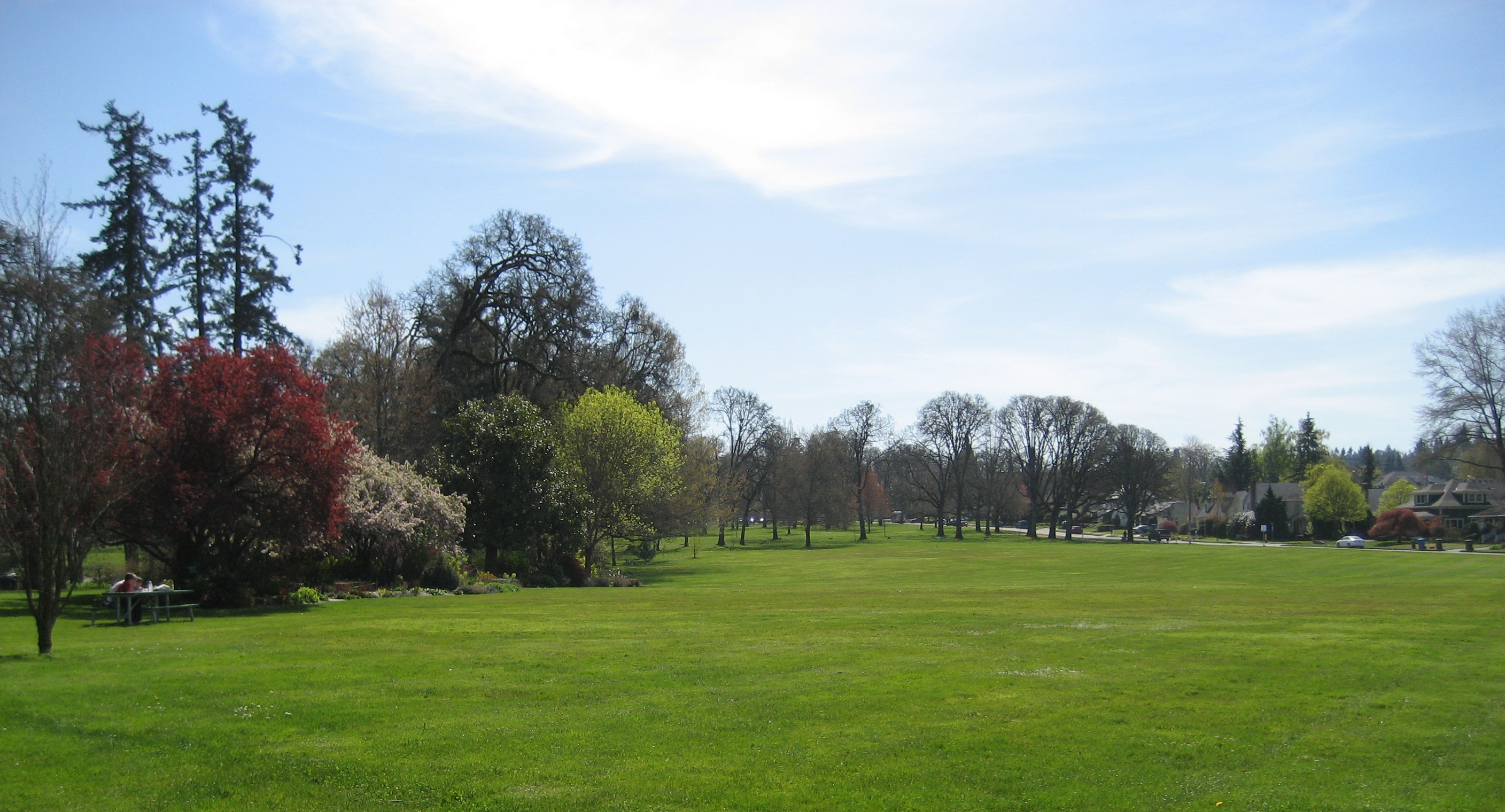
Oregon, US
You might spot Oregon Oak and Douglas's Ground Squirrel.
View guide →

California, US
You might spot Hoary Rock-Rose, Brittleleaf Manzanita, and Chaparral Pea.
View guide →
Take the discovery with you
Snap it with Snappit to identify it, learn what makes it special, and add the discovery to your collection.








.jpg&width=800)


_001.jpg&width=800)

