





Mammals
Mammalia
Mammals are warm-blooded animals that have fur or hair and usually give birth to live young. They are found all over the world and come in many shapes and sizes, from tiny mice to huge whales.
Habitat: Various habitats
The Mammals have hair or fur covering their bodies, providing insulation and camouflage. They possess four limbs for movement, though some have adapted wings or fins. Most display diverse colors, from drab browns to vibrant patterns, adapted to their specific environments.
Category
MammalsRarity
Common
Danger
2/5 · Low
Snaps
Be the first to snap!
Mammals are found everywhere on Earth, even under ice and in the deepest oceans!
Mammals are the only animals with hair and mammary glands.
Some mammals, like kangaroos, carry their babies in a pouch called a marsupium.
The smallest mammal is a tiny bumblebee bat, weighing less than a penny!
Mammals can regulate their own body temperature because of their specialized metabolism that keeps them warm in any weather.
Mammals can nourish their young with milk produced by mammary glands, which helps babies grow strong and healthy.
Mammals have complex brains that allow for advanced learning and problem-solving, helping them adapt to changing environments.
Mammals have hair or fur that helps them stay warm and protects their skin from the sun and elements.
Mammals eat a vast array of foods, from tiny insects and plants to other large animals.
Age differences: Young mammals drink milk, then transition to adult diets.
Canis lupus
A top predator that hunts many hoofed mammals.
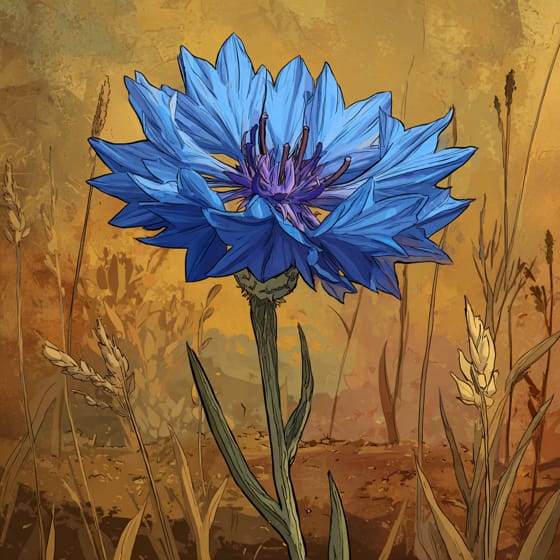
Zea mays
Many mammals, from humans to raccoons, consume this plant.

Odocoileus virginianus
A common prey for many predatory mammals.

Poa pratensis
Grazing mammals like deer and cattle consume this grass.
Furry describes animals possessing a dense covering of soft hair or fur.
Social animals live in organized groups, cooperating for survival benefits such as foraging, defense, and raising offspring.
This trait identifies organisms whose diet includes both plant and animal matter.
This trait describes organisms that manipulate external objects to achieve a specific goal.

Diurnal animals are primarily active during daylight hours, typically resting or sleeping at night.

Describes a species whose presence and role have a disproportionately large effect on its environment.

Migratory animals undertake seasonal movements from one region to another, typically in response to changes in climate or food availability.

Endangered status indicates a species is at a very high risk of extinction in the wild in the near future.
No aliases listed yet.
Danger
2/5 · Low
Always observe mammals from a distance and never try to touch or feed them in the wild.
The easiest way to identify Mammals is to use the Snappit nature identifier app.
3-3000 cm
15-170 cm
0.002-190000 kg
1-200 years
0.2-120 km/h
Mammals eat a vast array of foods, from tiny insects and plants to other large animals.
Various habitats
Zoom in to split clusters and explore where this object has been snapped.
Recent snaps will appear here as new observations are added.
Take the discovery with you
Snap it with Snappit to identify it, learn what makes it special, and add the discovery to your collection.




.jpg&width=800)


.JPG&width=800)



.jpg&width=800)
