.jpg&width=800)





Margined Leatherwing Beetle
chauliognathus marginatus
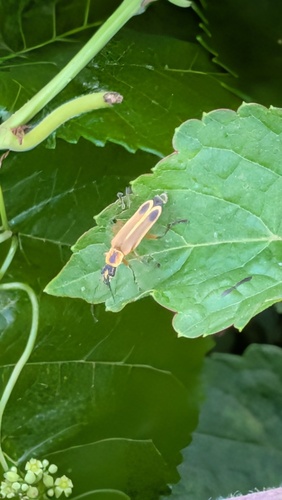
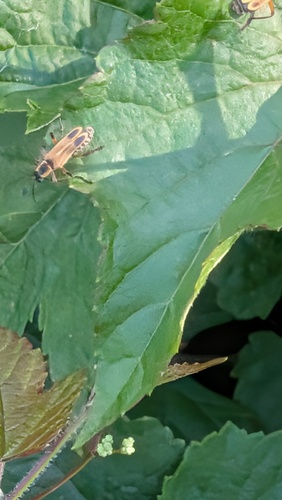
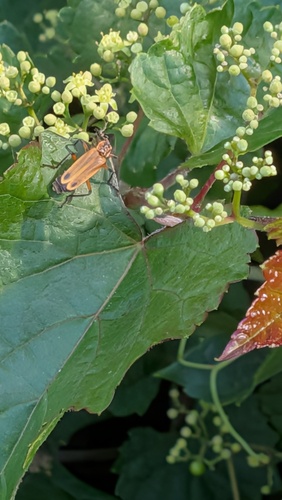
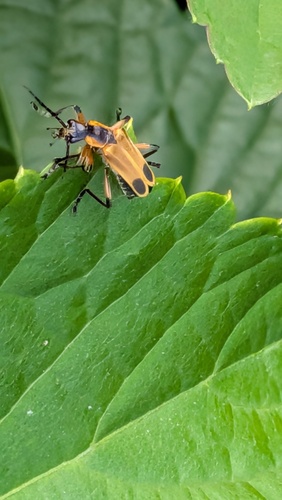
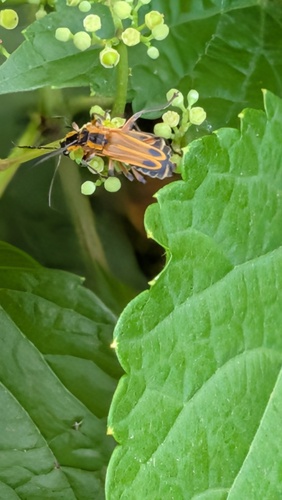
The Margined Leatherwing Beetle is a bright yellow insect with striking black edges. It loves to bask in the sun and can often be seen on flowers during the summer!
Habitat: Gardens, fields, and meadows
The Margined Leatherwing Beetle has an elongated, soft body, typically orange or yellow, with prominent black margins on its wing covers (elytra). Its head and antennae are also black, contrasting with its bright body. This coloration helps distinguish it from other beetles.
Category
InsectsRarity
Common
Danger
0/5 · No known danger
Snaps
104
Adult beetles often gather in large numbers on flowers!
Their long, thread-like antennae help them find mates!
They belong to a group of beetles often called "soldier beetles"!
Unlike many beetles, their wing covers are soft, not hard!
Margined Leatherwing Beetle can secrete foul-tasting chemicals that make them unappetizing to predators, helping them avoid being eaten.
Margined Leatherwing Beetle has a diet of nectar and pollen, which helps them transfer pollen between flowers, aiding plant reproduction.
Margined Leatherwing Beetle larvae are voracious predators that can hunt and consume soft-bodied insect pests like aphids in gardens and fields.
Adults sip nectar and pollen from flowers, while their larvae are tiny garden heroes eating pests!
Age differences: Adults primarily consume nectar and pollen, while their larvae are active predators of soft-bodied insects and insect eggs.
Solidago canadensis
Adults feed on its pollen and nectar.
Aphis gossypii
Larvae prey on these soft-bodied garden pests.
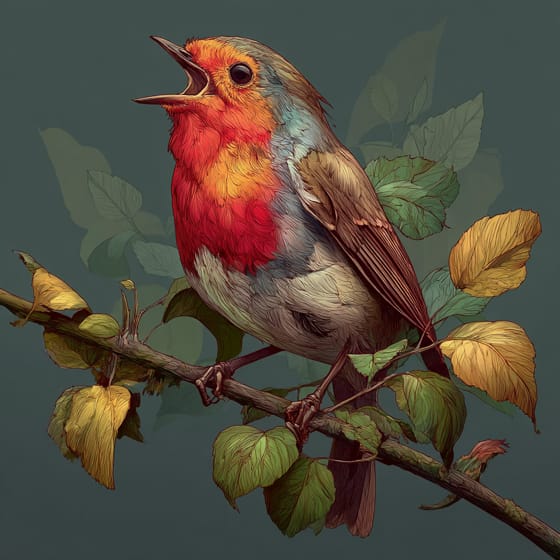
Turdus migratorius
This common bird can prey on adult beetles.

Asclepias syriaca
Adults gather pollen and nectar from its flowers.
Social animals live in organized groups, cooperating for survival benefits such as foraging, defense, and raising offspring.
Colorful describes organisms or objects displaying a wide range of bright and distinct colors.
This trait characterizes organisms whose diet consists entirely or primarily of plant material.
Diurnal animals are primarily active during daylight hours, typically resting or sleeping at night.

Describes organisms that transfer pollen, enabling the fertilization and reproduction of plants.
Danger
0/5 · No known danger
No special safety notes yet.
The easiest way to identify Margined Leatherwing Beetle is to use the Snappit nature identifier app.
8-11 mm
14-28 days
Adults sip nectar and pollen from flowers, while their larvae are tiny garden heroes eating pests!
Gardens, fields, and meadows
Null
6
Zoom in to split clusters and explore where this object has been snapped.
Jun 19, 2026
East Potomac ParkPhoto attribution
(c) Martin Kalfatovic, some rights reserved (CC BY)
License: CC BY 4.0 ↗
Image may be shown cropped inside the card frame.
Jun 19, 2026
East Potomac ParkPhoto attribution
(c) Martin Kalfatovic, some rights reserved (CC BY)
License: CC BY 4.0 ↗
Image may be shown cropped inside the card frame.
Jun 19, 2026
East Potomac ParkPhoto attribution
(c) Martin Kalfatovic, some rights reserved (CC BY)
License: CC BY 4.0 ↗
Image may be shown cropped inside the card frame.
Jun 19, 2026
East Potomac ParkPhoto attribution
(c) Martin Kalfatovic, some rights reserved (CC BY)
License: CC BY 4.0 ↗
Image may be shown cropped inside the card frame.
Jun 19, 2026
East Potomac ParkPhoto attribution
(c) Martin Kalfatovic, some rights reserved (CC BY)
License: CC BY 4.0 ↗
Image may be shown cropped inside the card frame.

Virginia, US
You might spot Cope's Gray Tree Frog and Basilica Orbweaver.
View guide →

Michigan, US
You might spot Eastern Gray Squirrel, Tree-Of-Heaven, and House Sparrow.
View guide →

Arkansas, US
You might spot Eastern Gray Squirrel and Asian Lady Beetle.
View guide →

Maryland, US
You might spot Crane-Fly Orchid, Fragile Forktail, and Ebony Jewelwing.
View guide →

Maryland, US
You might spot American Cancer-Root and Rue Anemone.
View guide →

Pennsylvania, US
You might spot Eastern Tiger Swallowtail and Slowpoke Moth.
View guide →
Take the discovery with you
Snap it with Snappit to identify it, learn what makes it special, and add the discovery to your collection.







.jpg&width=800)



