





Sitka Bumble Bee
Bombus sitkensis
The Sitka Bumble Bee is a fuzzy little insect that loves to buzz around flowers. They help plants grow by spreading pollen, making them super important for nature!
Habitat: Forests
The Sitka Bumble Bee has a fuzzy body with bright yellow and black stripes, often featuring a striking reddish-orange band near the tip of its abdomen. Its head and thorax are usually mostly yellow, making it quite colorful and distinct from other bees.
Category
InsectsRarity
Common
Danger
2/5 · Low
Snaps
1
A queen Sitka Bumble Bee starts an entire new colony all by herself each spring!
Bumble bees have five eyes, two big ones and three tiny ones in the middle!
Each bumble bee has a unique scent, like a secret family password, for its nest!
They use their long tongues like straws to sip sweet nectar from deep flowers!
Sitka Bumble Bee can vibrate its flight muscles to shake pollen from flowers, helping them collect more food faster.
Sitka Bumble Bee has a fuzzy coat and can shiver its muscles to generate heat, allowing it to fly in cooler temperatures.
Sitka Bumble Bee has a special honey stomach to carry nectar back to its nest, providing food for the whole colony.
They drink nectar for energy and eat pollen for protein from many types of flowers!

Epilobium angustifolium
Helps fireweed reproduce in its subalpine habitats.

Pica hudsonia
Magpies may prey on foraging bees or their nests.
Bombus insularis
Cuckoo bumble bees lay eggs in Sitka Bee nests, using their workers.

Lupinus arcticus
Relies on its nectar and pollen for food and colony growth.
Furry describes animals possessing a dense covering of soft hair or fur.
Social animals live in organized groups, cooperating for survival benefits such as foraging, defense, and raising offspring.
This trait characterizes organisms whose diet consists entirely or primarily of plant material.
Describes plants that are particularly attractive and beneficial to a wide range of pollinating organisms.

Forest habitats are terrestrial environments dominated by dense tree cover, supporting a high diversity of plant and animal life.

Diurnal animals are primarily active during daylight hours, typically resting or sleeping at night.

Describes a species whose presence and role have a disproportionately large effect on its environment.

Describes organisms that transfer pollen, enabling the fertilization and reproduction of plants.
No aliases listed yet.
Danger
2/5 · Low
Be gentle and watch from a distance; bees are busy and just want to collect pollen.
The easiest way to identify Sitka Bumble Bee is to use the Snappit nature identifier app.
25-40 mm
12-20 mm
20-45 days
15 km/h
They drink nectar for energy and eat pollen for protein from many types of flowers!
Forests
Foraging
Zoom in to split clusters and explore where this object has been snapped.

Alaska, US
You might spot Bald Eagle, Salmonberry, and Ochre Sea Star.
View guide →
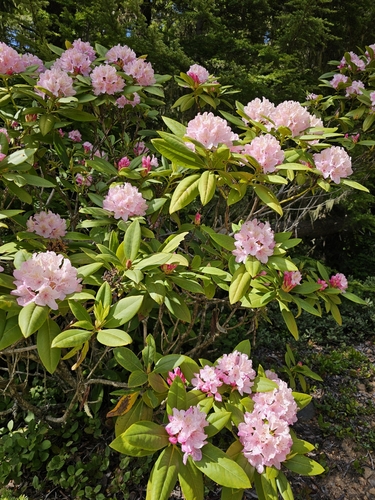
British Columbia, CA
You might spot Pacific Rhododendron, Vanilla Leaf, and Pacific Trillium.
View guide →
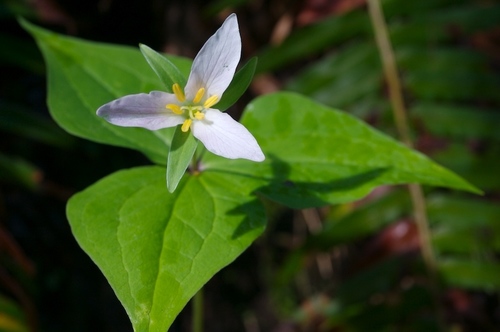
British Columbia, CA
You might spot Pacific Trillium, Western Redcedar, and Vanilla Leaf.
View guide →
Take the discovery with you
Snap it with Snappit to identify it, learn what makes it special, and add the discovery to your collection.






.jpg&width=800)


