





mastic
Pistacia lentiscus
Mastic is a small shrub that grows in warm places. It has shiny green leaves and produces a special resin that people use for chewing gum and flavoring food!
Habitat: Coastal areas
The mastic is an evergreen shrub or small tree with glossy, leathery, dark green leaves. It produces tiny, reddish-green flowers followed by small, round berries that ripen from bright red to black, often appearing in clusters.
Category
PlantsRarity
Common
Danger
1/5 · Very low
Snaps
Be the first to snap!
Its name "mastic" comes from a Greek word meaning "to chew."
Mastic resin was chewed as ancient breath mint and gum over 2,400 years ago!
Only one Greek island, Chios, traditionally produces nearly all the world's mastic gum.
This special tree's resin is even used to make sweet liqueurs and delicious ice cream!
Mastic has tough, leathery leaves that help it conserve water, allowing it to thrive in dry, arid environments.
The mastic can release a special resin (mastic gum) that helps heal its wounds and protects against pests.
Its evergreen leaves allow the mastic to photosynthesize year-round, giving it a growth advantage.
Turdus merula
Its berries provide a vital food source.
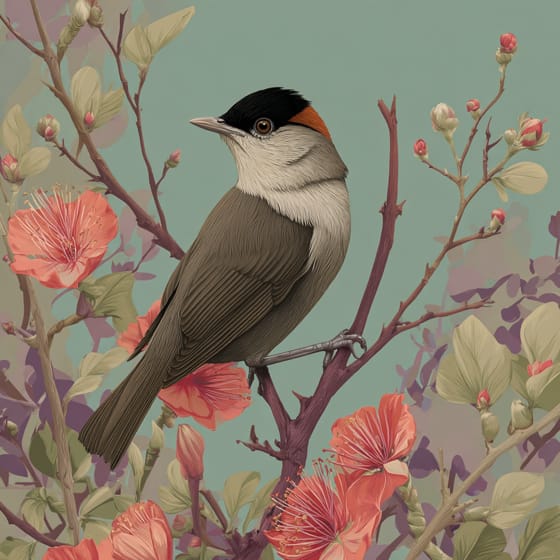
Sylvia atricapilla
Feasts on the ripened red berries.

Capra aegagrus
Browses on its resilient leaves and shoots.
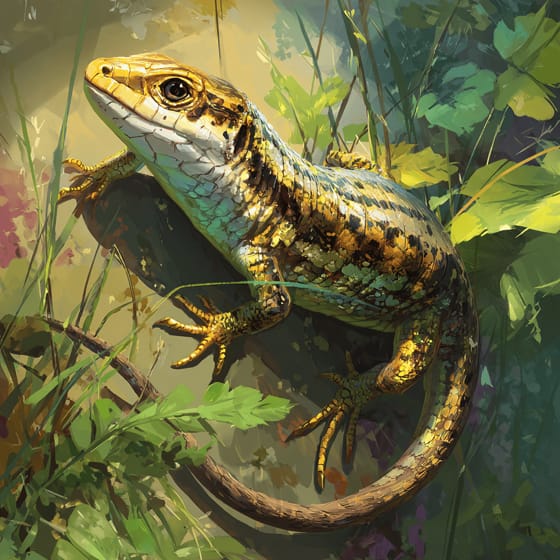
Podarcis muralis
Provides hiding spots and basking areas.
Aromatic plants produce and emit fragrant volatile organic compounds, often for defense or to attract pollinators.
A shrub is a woody plant smaller than a tree, typically with multiple stems branching from or near the ground.
Evergreen plants retain their foliage throughout the year, never shedding all their leaves at once.
Medicinal plants possess chemical compounds that can be used for therapeutic purposes to treat illnesses or maintain health.

Edible plants are those parts of a plant that are considered safe for human consumption.

This human use trait indicates species from which spices are derived, used for flavoring, preserving food, or as aromatic agents.

This trait characterizes organisms with an exceptionally long lifespan compared to others of their kind.

Coastal habitats are dynamic environments located along the interface between land and sea, influenced by tides, waves, and saltwater.
No aliases listed yet.
Danger
1/5 · Very low
Don't eat anything you find in nature without asking an adult first.
The easiest way to identify mastic is to use the Snappit nature identifier app.
100-500 cm
100-500 cm
0.1-0.3 cm
Spring
Yes
None
Perennial
Zoom in to split clusters and explore where this object has been snapped.
Recent snaps will appear here as new observations are added.
Take the discovery with you
Snap it with Snappit to identify it, learn what makes it special, and add the discovery to your collection.




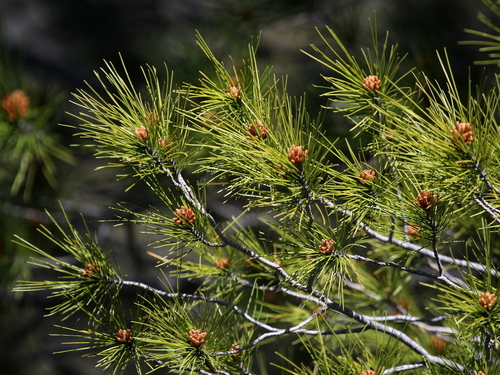





.jpg&width=800)



_001.jpg&width=800)

