





May Beetles
Phyllophaga
May beetles are big, brown insects that come out in the spring. They love to fly around at night and can sometimes be seen buzzing around lights.
Habitat: Grasslands
The May Beetle has a stocky, oval-shaped body, typically reddish-brown or dark brown, often with a slightly iridescent sheen. Its back is covered by tough, grooved wing covers (elytra) that protect its delicate flight wings underneath. It is visually different from many other beetles by its relatively large size and characteristic robust, hairy appearance.
Category
InsectsRarity
Common
Danger
1/5 · Very low
Snaps
2
Adult May beetles are clumsy fliers, often bumping into porch lights at night.
Female May beetles lay hundreds of tiny eggs deep in the soil. Wow!
Some years, they emerge in such huge numbers they can strip trees bare.
Their underground larvae, called white grubs, can take years to grow!
May Beetles can live underground for years because their larvae (grubs) have strong jaws to munch on roots, staying safe from predators.
May Beetles can find their way in the dark because they use sensitive antennae to detect scents and find mates at night.
May Beetles can munch through leaves quickly because they have strong mandibles that help them feed on plants after dark.
Adults munch on leaves and flowers, while larvae feast on plant roots underground.
Age differences: Larvae eat roots underground; adults feed on leaves and flowers.
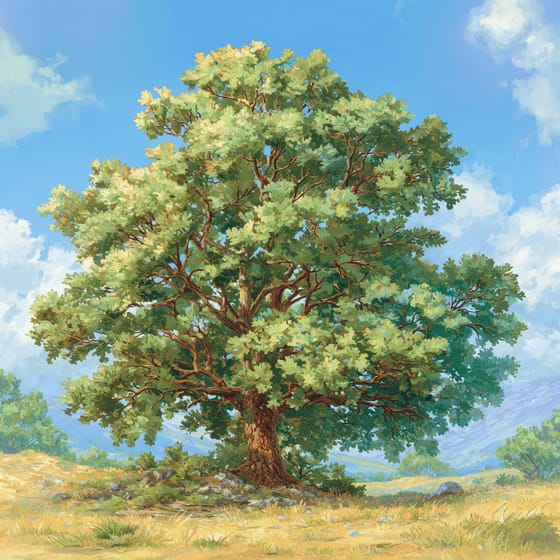
Quercus alba
Provides leaves for adult beetles to eat.
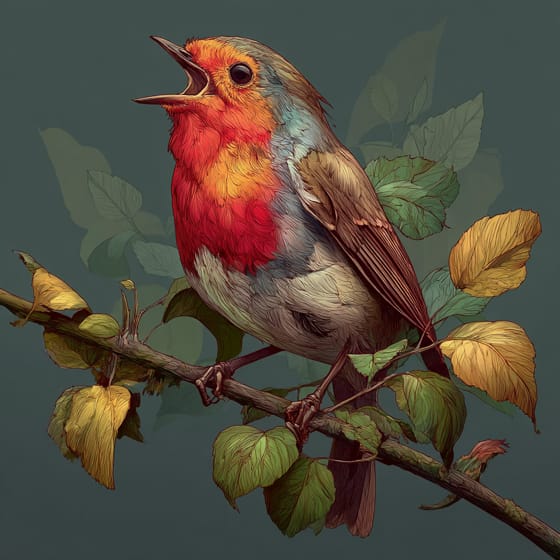
Turdus migratorius
Feeds on May Beetle larvae found in soil.
Tiphia vernalis
Lays eggs on May Beetle larvae underground.

Procyon lotor
Digs up and eats May Beetle larvae from lawns.
Furry describes animals possessing a dense covering of soft hair or fur.
Solitary animals live alone for most of their lives, only interacting with others for mating or parental care.
Grassland habitats are terrestrial biomes dominated by grasses and herbaceous plants, supporting a variety of grazing animals.
This trait characterizes organisms whose diet consists entirely or primarily of plant material.

Describes plants that are particularly attractive and beneficial to a wide range of pollinating organisms.

This trait characterizes organisms with an exceptionally long lifespan compared to others of their kind.

Nocturnal animals are primarily active during the nighttime hours, typically resting or sleeping during the day.

Describes organisms that transfer pollen, enabling the fertilization and reproduction of plants.
No aliases listed yet.
Danger
1/5 · Very low
May beetles are harmless, but it's best to watch them from a distance.
The easiest way to identify May Beetles is to use the Snappit nature identifier app.
25-50 mm
12-25 mm
365-1095 days
8 km/h
Adults munch on leaves and flowers, while larvae feast on plant roots underground.
Grasslands
Foraging
Zoom in to split clusters and explore where this object has been snapped.

Indiana, US
You might spot American Robin, Canada Goose, and Eastern Gray Squirrel.
View guide →
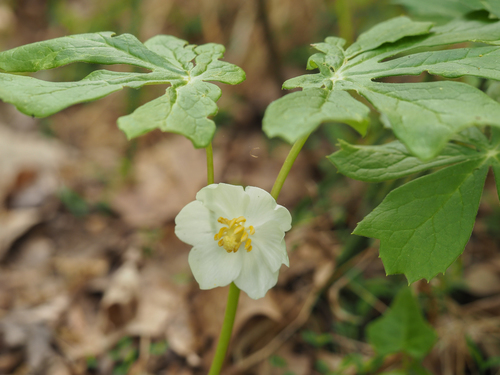
Indiana, US
You might spot Mayapple, Virginia Bluebells, and Prairie Trillium.
View guide →

Pennsylvania, US
You might spot Carolina Horsenettle, Common Soapwort, and Goldenrods.
View guide →
Take the discovery with you
Snap it with Snappit to identify it, learn what makes it special, and add the discovery to your collection.






.jpg&width=800)




