Asian Lady Beetle
Selmier State Forest offers a serene escape into Indiana's natural beauty.
Selmier State Forest offers a serene escape into Indiana's natural beauty. This 355-acre multi-use woods, nestled northeast of North Vernon, provides an unhurried atmosphere for nature lovers. It's a place where the tranquil rhythms of a managed forest meet the wild call of the Muscatatuck River, inviting visitors to explore and reconnect with the outdoors.
The forest boasts a network of trails, most notably the one-mile Self-Guided Forest Management Trail, which educates visitors on tree identification and conservation practices. Along this path, you can observe a variety of native trees like the towering Tulip Tree, the valuable Black Walnut, and the stately White Pine. The forest also provides access to the Muscatatuck River, a haven for anglers seeking largemouth bass, bluegill, and catfish, and a prime spot for observing waterfowl, herons, and kingfishers. Keep an eye out for white-tailed deer and wild turkeys, frequently seen along the riverbanks and deeper within the woods.
Selmier State Forest is a memorable destination for those seeking peaceful hiking, excellent fishing, and abundant wildlife viewing opportunities. Its commitment to forest management offers a unique educational element, showcasing how natural resources are sustained for future generations. Whether you're a birdwatcher, a photographer, or simply in search of a quiet stroll through nature, Selmier provides a refreshing and engaging outdoor experience. Don't forget to bring the Snappit nature identification app along to scan local species.
Selmier State Forest was established through a generous donation to the Indiana Department of Natural Resources by Stella Selmier, on behalf of her husband, Frank Selmier. Frank had a deep passion for the outdoors and personally undertook the planting of several acres of pine, black locust, black walnut, sycamore, and tulip trees on the property between 1921 and 1934. The majority of the property was enrolled in Indiana's Classified Forest Program between 1927 and 1931 before officially becoming state land in 1944. Traces of Frank Selmier's legacy, such as an old dam he built in the 1920s and 1930s, old fences, and stumps from past timber harvests, are still visible along the trails, offering glimpses into the forest's past and its evolution under human influence.
Hiking, fishing, wildlife observation (especially white-tailed deer, wild turkeys, and a variety of birds), birdwatching, and nature photography.
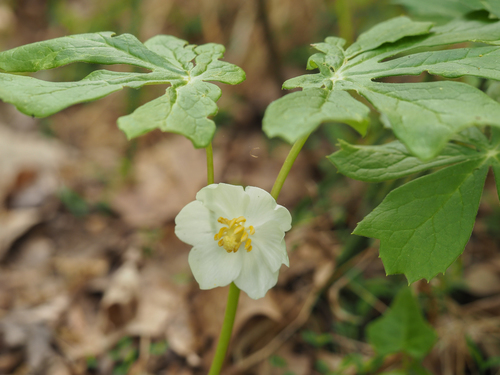
Spring: Expect a profusion of wildflowers, including Virginia bluebells, woodland phlox, violets, and wild ginger. Migratory birds are also active.
Summer: Lush green canopy provides shade for hiking.
Autumn: Experience stunning fall foliage. Hunting season is active, and hikers should wear hunter orange or other bright clothing for safety.
Winter: Offers a quieter experience with clearer views through the leafless trees, but trails may be slippery.
Selmier State Forest does not have public restrooms, camping, picnicking, swimming, horse trails, or boat launching facilities. The gravel firebreak roads, however, offer solid and easy footing, making them accessible for most fitness levels and potentially manageable for younger children.
A one-mile loop providing insights into tree identification and forest management practices.
Excellent for fishing and observing riverine wildlife like herons and kingfishers.
Man-made ponds providing vital water sources for local wildlife.
Each card links to a full Explore page with photos, traits, and fun facts.
Start with the big picture, then zoom in to explore individual wildlife observations around this place.
Always wear hunter orange or other brightly colored clothing when visiting during hunting seasons for your safety.
Bring your own water, snacks, and any other necessities, as there are no public facilities or concessions available.
If you plan to fish, ensure you have a valid Indiana fishing license.
Leashed dogs are welcome on the trails, making it a great spot for a walk with your canine companion.
Take the time to explore the Self-Guided Forest Management Trail for an informative look at the forest's ecology and history.
Consider visiting in late spring for a vibrant display of wildflowers or in mid-to-late autumn for spectacular fall foliage.
Apr 28, 2026
Photo attribution
(c) Peyton Phelps, some rights reserved (CC BY)
License: CC BY 4.0 ↗
Image may be shown cropped inside the card frame.
Apr 28, 2026
Photo attribution
(c) Peyton Phelps, some rights reserved (CC BY)
License: CC BY 4.0 ↗
Image may be shown cropped inside the card frame.
Mar 10, 2026
Photo attribution
(c) Aidan, some rights reserved (CC BY)
License: CC BY 4.0 ↗
Image may be shown cropped inside the card frame.
Mar 10, 2026
Photo attribution
(c) Aidan, some rights reserved (CC BY)
License: CC BY 4.0 ↗
Image may be shown cropped inside the card frame.
Mar 10, 2026
Photo attribution
(c) Aidan, some rights reserved (CC BY)
License: CC BY 4.0 ↗
Image may be shown cropped inside the card frame.

Maryland, US
You might spot White-Tailed Deer and Eastern Gray Squirrel.
View guide →
.jpg)
District of Columbia, US
You might spot Eastern Gray Squirrel, Duck, and House Sparrow.
View guide →

Illinois, US
You might spot American Robin, Canada Goose, and House Sparrow.
View guide →

Virginia, US
You might spot Spotted Lanternfly and Northern Cardinal.
View guide →
Take the discovery with you
Identify the wildlife you spot, learn as you go, and keep a collection of the adventure.