





Mediterranean juniper
Juniperus turbinata
The Mediterranean juniper is a small, bushy plant that grows in warm, sunny places. Its green leaves are like tiny needles, and it produces small, round berries that are loved by birds.
Habitat: Coastal areas
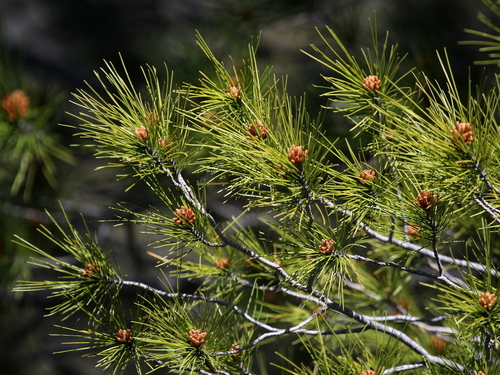
The Mediterranean juniper is a dense, evergreen shrub or small tree with a conical or columnar shape. It has distinctive reddish-brown bark that peels in strips and tiny, scale-like leaves. Its small, round 'berries' start green and ripen to a dark purplish-black color.
Category
PlantsRarity
Common
Danger
1/5 · Very low
Snaps
Be the first to snap!
Ancient people used juniper wood to build strong boats that lasted a long time.
Its small, dark 'berries' are actually tiny cones that many birds love to eat!
The fragrant wood of this tree smells amazing and helps keep insects away!
This super tough tree can live for hundreds of years, like a living landmark!
Mediterranean juniper has deep roots that help it find water in very dry, rocky places to survive.
Mediterranean juniper can grow on barren land, helping stabilize soil and allow other plants to grow.
Mediterranean juniper has special adaptations to tolerate salty air, helping it thrive near the sea.
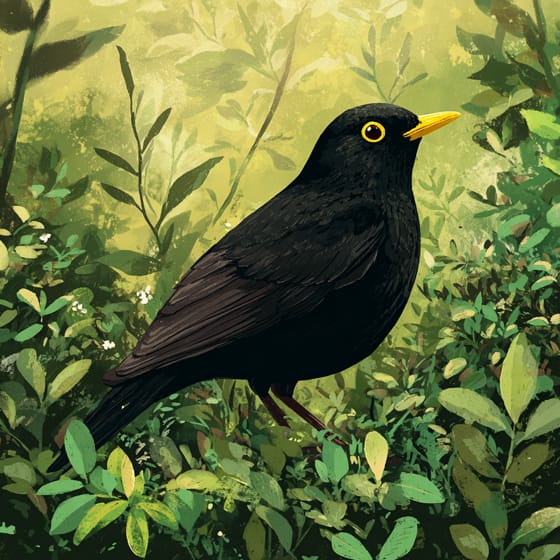
Turdus merula
Its 'berries' provide a vital food source for these birds.

Capra aegagrus
Wild goats browse on its leaves and young shoots.
Phloeosinus aubei
Larvae tunnel and feed within the juniper's wood.
Lanius senator
Its dense canopy provides safe nesting and hunting perches.
Aromatic plants produce and emit fragrant volatile organic compounds, often for defense or to attract pollinators.
A shrub is a woody plant smaller than a tree, typically with multiple stems branching from or near the ground.
Coniferous plants are typically evergreen, bearing needles or scales and reproductive cones.
Evergreen plants retain their foliage throughout the year, never shedding all their leaves at once.

Fruit-bearing plants produce fruits, which are the mature ovaries of flowering plants containing seeds.

Drought-tolerant plants can survive and flourish in conditions with limited water availability.

Edible plants are those parts of a plant that are considered safe for human consumption.

This trait characterizes organisms with an exceptionally long lifespan compared to others of their kind.

Coastal habitats are dynamic environments located along the interface between land and sea, influenced by tides, waves, and saltwater.

Describes a species whose presence and role have a disproportionately large effect on its environment.
No aliases listed yet.
Danger
1/5 · Very low
Don't eat the berries without asking an adult, as some plants can be tricky!
The easiest way to identify Mediterranean juniper is to use the Snappit nature identifier app.
200-1000 cm
100-500 cm
Late winter to early spring
No
Mild
Perennial
Wind
Zoom in to split clusters and explore where this object has been snapped.
Recent snaps will appear here as new observations are added.
Take the discovery with you
Snap it with Snappit to identify it, learn what makes it special, and add the discovery to your collection.










.jpg&width=800)



_001.jpg&width=800)

