_(Syn._Megasternum_obscurum_(Marsham%2C_1802)_Syn._Megasternum_boletophagum_(Marsham%2C_1802))_(4303595533).jpg&width=800)





Megasternum
Megasternum
Megasternum is a special type of beetle that loves to explore! These little bugs have shiny bodies and can often be found near water, where they like to play and hide.
Habitat: Wetlands
The Megasternum is a small, oval beetle, typically dark brown to black and very shiny. It has short, club-like antennae hidden beneath its head, differentiating it from similar aquatic beetles.
Category
InsectsRarity
Common
Danger
1/5 · Very low
Snaps
Be the first to snap!
A Megasternum's antennae help it 'smell' food in the water!
Some Megasternum larvae are fierce predators, unlike the adult beetles!
Their shiny bodies are super waterproof, keeping them dry even underwater!
They can play dead by pulling in their legs and pretending to be a tiny pebble!
Megasternum can breathe underwater by carrying a silvery air bubble under its shell, which acts like a tiny scuba tank for them.
Megasternum has specialized paddle-like legs that help them efficiently swim through water to find food and escape predators.
Megasternum can fly well, allowing them to travel between different ponds or puddles when their current water source dries up.
Megasternum can break down decaying plant matter, helping to keep aquatic environments clean and recycle nutrients.
These beetles mostly munch on decaying plants and algae found in water.
Age differences: Larvae are often carnivorous, hunting small aquatic invertebrates, while adults are primarily detritivores.
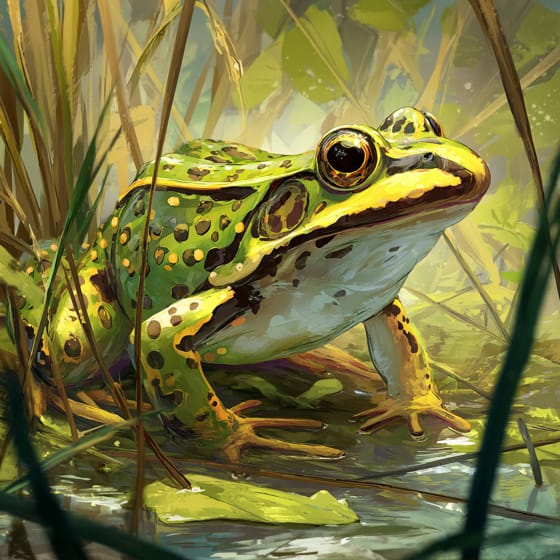
Rana pipiens
Frogs prey on adult beetles swimming near the surface.
Anas platyrhynchos
Ducks forage in shallow water, consuming aquatic insects.
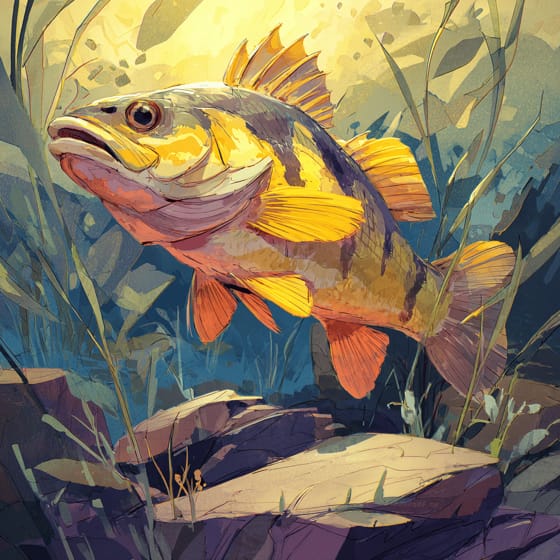
Perca flavescens
Fish in ponds are common predators of water beetles.

Typha latifolia
Provides shelter and decaying matter for the beetles.
Solitary animals live alone for most of their lives, only interacting with others for mating or parental care.
This trait identifies organisms whose diet includes both plant and animal matter.
Camouflaged describes organisms that possess coloring or patterns that allow them to blend into their environment.
Filter feeders obtain nutrients by straining suspended food particles and small organisms from water.

This habitat trait identifies species found in wetlands, which are areas of land saturated with water, either permanently or seasonally, including marshes, swamps, and bogs.

Diurnal animals are primarily active during daylight hours, typically resting or sleeping at night.

Pertaining to species that are significantly smaller than typical or average for their kind.

Aquatic habitats encompass environments where organisms live predominantly in water, including oceans, rivers, lakes, and wetlands.

Describes organisms that transfer pollen, enabling the fertilization and reproduction of plants.
No aliases listed yet.
Danger
1/5 · Very low
Be gentle when looking for beetles, and wash your hands after touching them.
The easiest way to identify Megasternum is to use the Snappit nature identifier app.
5-8 mm
2-4 mm
60-120 days
5-10 km/h
These beetles mostly munch on decaying plants and algae found in water.
Wetlands
Foraging
Zoom in to split clusters and explore where this object has been snapped.
Recent snaps will appear here as new observations are added.
Take the discovery with you
Snap it with Snappit to identify it, learn what makes it special, and add the discovery to your collection.








.jpg&width=800)




