





Mexican Fan Palm
Washingtonia robusta
The Mexican Fan Palm is a tall tree with long, fan-shaped leaves. It grows in warm places and is great for providing shade on sunny days!
Habitat: Urban areas
The Mexican Fan Palm has a very tall, slender, greyish-brown trunk often covered by a 'skirt' of dead, dried fronds. Its crown features large, bright green, fan-shaped leaves, giving it a distinctive silhouette.
Category
PlantsRarity
Common
Danger
1/5 · Very low
Snaps
8
It's one of the fastest-growing palm trees in the world!
Its trunk can grow as tall as a 10-story building!
These palms produce thousands of tiny, edible, date-like fruits.
Young Mexican Fan Palms are called 'petticoat palms' for their skirt of fronds.
Mexican Fan Palm has a thick, shaggy 'skirt' of old fronds that protects its slender trunk from sun and injury.
Mexican Fan Palm can grow incredibly deep roots to find precious water, helping it survive in dry desert oases.
Mexican Fan Palm has flexible leaf stems that allow its fronds to bend and sway, resisting damage from strong winds.
Apis mellifera
Its flowers attract and are pollinated by bees.
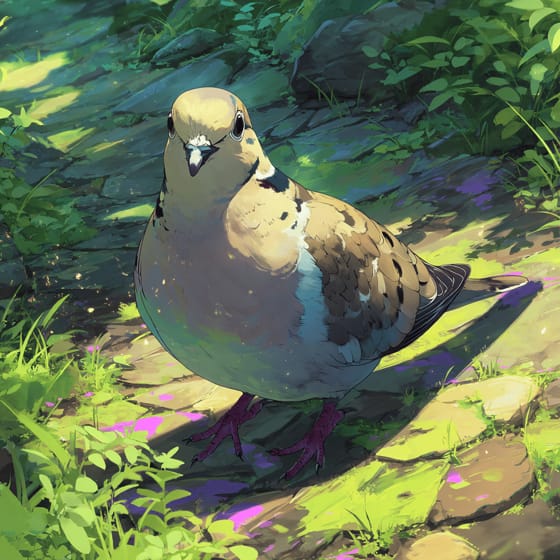
Zenaida macroura
Its small, date-like fruits provide food.
Columba livia
Its fronds provide nesting and roosting sites.

Rattus rattus
Opportunistic rodents consume fallen fruits.
Ornamental plants are cultivated primarily for their aesthetic appeal, enhancing landscapes and gardens with their attractive foliage, flowers, or form.
Shade tolerant plants are adapted to grow and thrive in areas with low light levels, requiring less direct sunlight.
Broadleaf trees are angiosperms characterized by flat, wide leaves that are typically shed annually in temperate climates.
Evergreen plants retain their foliage throughout the year, never shedding all their leaves at once.

Rapid growing plants exhibit accelerated growth rates, quickly increasing in size and biomass within a short period.

This trait characterizes organisms with an exceptionally long lifespan compared to others of their kind.

This habitat trait indicates species that can coexist with humans in urban and suburban environments, utilizing man-made structures and green spaces.
No aliases listed yet.
Danger
1/5 · Very low
Be careful around the sharp edges of the palm leaves.
The easiest way to identify Mexican Fan Palm is to use the Snappit nature identifier app.
2000-3500 cm
300-500 cm
0.5-1 cm
Summer
Yes
None
Perennial
Zoom in to split clusters and explore where this object has been snapped.

California, US
You might spot California Buckwheat and Common Side-Blotched Lizard.
View guide →

California, US
You might spot Western Fence Lizard, Eastern Fox Squirrel, and Bee.
View guide →

California, US
You might spot Eastern Fox Squirrel and Red-Tailed Hawk.
View guide →

California, US
You might spot Sunburst Anemone and Striped Shore Crab.
View guide →

California, US
You might spot Pacific Hairy Hermit Crab, Sea Urchin, and Sea Cucumber.
View guide →

California, US
You might spot Western Fence Lizard, Eastern Fox Squirrel, and Bee.
View guide →
Take the discovery with you
Snap it with Snappit to identify it, learn what makes it special, and add the discovery to your collection.









.jpg&width=800)


_001.jpg&width=800)

