





Mexican Plum
Prunus mexicana
The Mexican Plum is a lovely tree with beautiful white flowers and tasty plums. It grows in warm places and is great for birds and butterflies!
Habitat: Forests
The Mexican Plum has fragrant white to pale pink flowers that emerge before its green leaves in early spring. Its fruit ripens to a vibrant yellow, orange, or reddish-purple, often covered in a powdery bloom. The bark is dark, rough, and scaly.
Category
PlantsRarity
Common
Danger
1/5 · Very low
Snaps
Be the first to snap!
Its beautiful bark peels in scaly strips, revealing a reddish-brown color underneath!
Mexican Plum wood is very dense and was historically used to make durable tools!
The leaves turn vibrant shades of yellow and orange in the fall, a real autumn show!
Wildlife loves its sweet fruit so much that birds and mammals spread its seeds far and wide!
Mexican Plum can survive dry spells because its deep root system helps it find water deep underground.
Mexican Plum flowers very early in spring, giving pollinators a vital food source when other plants are dormant.
Mexican Plum produces abundant, tart-sweet plums that are a delicious food source for many animals.
Apis mellifera
collects nectar and pollen
Bombus impatiens
visits flowers for nectar
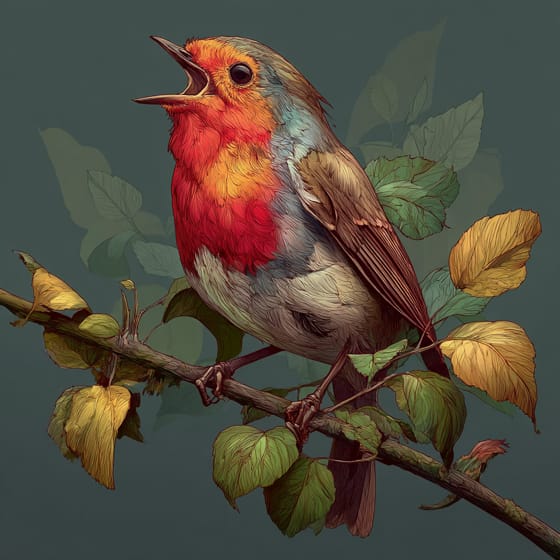
Turdus migratorius
eats the ripe plums

Odocoileus virginianus
browses on leaves and twigs
Deciduous plants periodically shed all their leaves, typically during autumn or dry seasons.
Flowering plants are any plants that produce flowers as part of their reproductive cycle.
Shade tolerant plants are adapted to grow and thrive in areas with low light levels, requiring less direct sunlight.
Spring blooming plants produce their flowers during the spring season, often signifying the end of winter and the start of new growth.

Broadleaf trees are angiosperms characterized by flat, wide leaves that are typically shed annually in temperate climates.

Fragrant flowers emit a pleasant aroma, often to attract pollinators or for defense.

Fruit-bearing plants produce fruits, which are the mature ovaries of flowering plants containing seeds.

A fruit tree is a perennial tree that produces fruit, which is edible to humans or animals.

Edible plants are those parts of a plant that are considered safe for human consumption.

Describes plants that are particularly attractive and beneficial to a wide range of pollinating organisms.

Forest habitats are terrestrial environments dominated by dense tree cover, supporting a high diversity of plant and animal life.

This trait characterizes organisms with an exceptionally long lifespan compared to others of their kind.
Danger
1/5 · Very low
Always ask an adult before trying to eat any fruit from trees.
The easiest way to identify Mexican Plum is to use the Snappit nature identifier app.
450-900 cm
300-600 cm
1-2 cm
Early spring
Yes
None
Perennial
Zoom in to split clusters and explore where this object has been snapped.
Recent snaps will appear here as new observations are added.
Take the discovery with you
Snap it with Snappit to identify it, learn what makes it special, and add the discovery to your collection.






.jpg&width=800)

_001.jpg&width=800)

