





Milkweed
Asclepias
Milkweed is a special plant that butterflies love! It has pink flowers and pods filled with silky seeds that float in the wind.
Habitat: Grasslands
The Milkweed is a tall plant with sturdy stems and large, oval leaves. Its clusters of small, star-shaped flowers are typically pink or purple, but can also be white. It's unique for its milky white sap that oozes when stems are broken.
Category
PlantsRarity
Common
Danger
2/5 · Low
Snaps
Be the first to snap!
A single milkweed plant can produce hundreds of seeds, each ready to fly on the wind!
Ancient people crafted strong ropes and fabrics from milkweed's tough stem fibers!
During WWII, milkweed's fluffy seed fibers were used as buoyant stuffing for life vests!
Some clever insects can eat milkweed, absorb its toxins, and use them for their own defense!
Milkweed has a milky sap that contains toxins and becomes sticky, helping it defend against hungry herbivores.
Milkweed seeds have silky 'parachutes' that allow them to glide on the wind, spreading far and wide.
Milkweed produces special chemicals, making it the only plant Monarch butterfly caterpillars can eat to survive.
Its abundant flowers produce sweet nectar that attracts many insects, ensuring it gets pollinated.
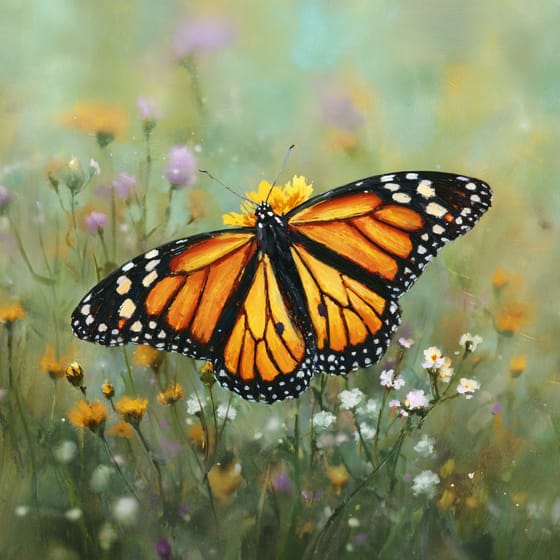
Danaus plexippus
Caterpillars feed exclusively on milkweed leaves.
Apis mellifera
Honey bees visit flowers for nectar and pollen.
.jpg&width=800)
Oncopeltus fasciatus
Feeds on seeds, stems, and sap of the plant.
Aphis asclepiadis
Sucks sap from stems and undersides of leaves.
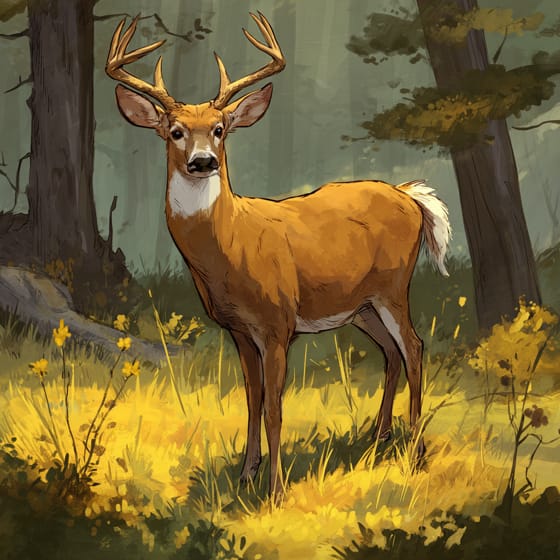
Odocoileus virginianus
Deer sometimes browse on young milkweed shoots.
Deciduous plants periodically shed all their leaves, typically during autumn or dry seasons.
Cluster flowers are inflorescences where individual flowers are arranged closely together on a common stem.
Fragrant flowers emit a pleasant aroma, often to attract pollinators or for defense.
Medicinal plants possess chemical compounds that can be used for therapeutic purposes to treat illnesses or maintain health.

Grassland habitats are terrestrial biomes dominated by grasses and herbaceous plants, supporting a variety of grazing animals.

Describes plants that are particularly attractive and beneficial to a wide range of pollinating organisms.

Describes a species whose presence and role have a disproportionately large effect on its environment.
Danger
2/5 · Low
Enjoy milkweed from a distance and avoid touching or eating any part of the plant.
The easiest way to identify Milkweed is to use the Snappit nature identifier app.
60-200 cm
30-100 cm
1-2 cm
Summer
No
Moderate
Perennial
Zoom in to split clusters and explore where this object has been snapped.
Recent snaps will appear here as new observations are added.
Take the discovery with you
Snap it with Snappit to identify it, learn what makes it special, and add the discovery to your collection.







.jpg&width=800)


_001.jpg&width=800)




