





Missouri Gooseberry
Ribes missouriense
The Missouri Gooseberry is a small shrub with spiky branches and tasty berries. These berries are often used to make jams and jellies, and the plant is a great home for birds and other wildlife.
Habitat: Forests
The Missouri Gooseberry is a thorny shrub with pale green, maple-like leaves, divided into 3-5 lobes. Its small, bell-shaped flowers are greenish-white to yellowish. Edible berries ripen from green to a purplish-red.
Category
PlantsRarity
Common
Danger
2/5 · Low
Snaps
1
Early spring flowers provide vital nectar for the very first awakening bees.
Gooseberry shrubs can live for several decades, growing slowly year after year.
Its tart berries become even tastier and sweeter after the first frost!
Many small mammals and birds rely on its thorny branches for safe shelter!
Missouri Gooseberry has sharp thorns that help it defend its yummy berries and tender leaves from hungry plant-eaters.
Missouri Gooseberry produces tart, colorful berries that attract animals, which then help spread its seeds to new places.
Missouri Gooseberry can thrive in both sunny spots and partially shaded areas, adapting to different light conditions.
Apis mellifera
collects nectar and pollen from its flowers
Bombus impatiens
an important early spring pollinator for the plant
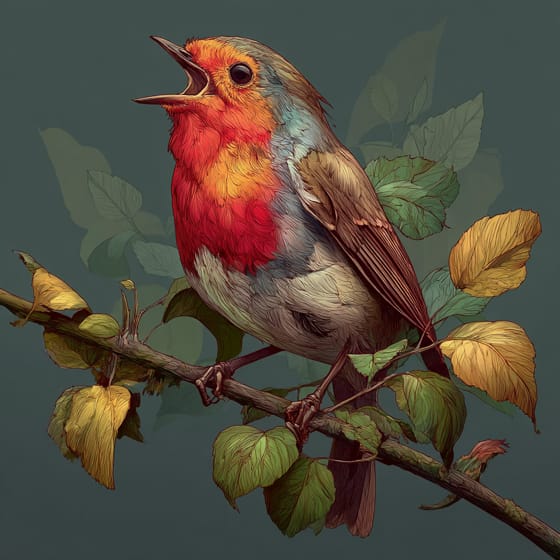
Turdus migratorius
feasts on its ripe, purplish-red berries in summer
Ursus americanus
browses on its berries and sometimes foliage
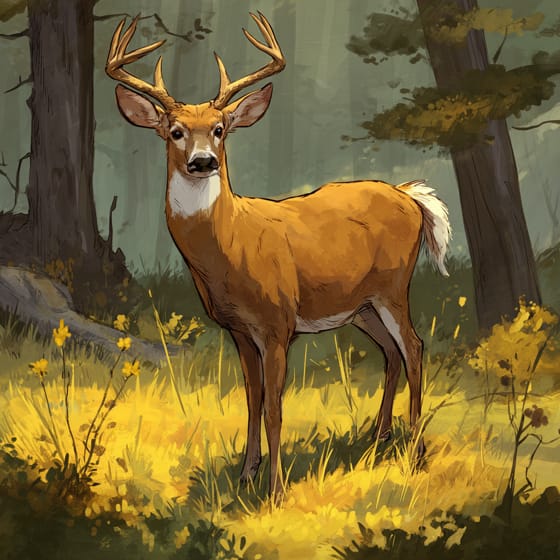
Odocoileus virginianus
may browse on its leaves and twigs
Deciduous plants periodically shed all their leaves, typically during autumn or dry seasons.
Flowering plants are any plants that produce flowers as part of their reproductive cycle.
A shrub is a woody plant smaller than a tree, typically with multiple stems branching from or near the ground.
Fruit-bearing plants produce fruits, which are the mature ovaries of flowering plants containing seeds.

Edible plants are those parts of a plant that are considered safe for human consumption.

Describes plants that are particularly attractive and beneficial to a wide range of pollinating organisms.

Forest habitats are terrestrial environments dominated by dense tree cover, supporting a high diversity of plant and animal life.

Possessing sharp, pointed projections or spines on the body or surface.
No aliases listed yet.
Danger
2/5 · Low
Be careful of the thorns when exploring near this plant!
The easiest way to identify Missouri Gooseberry is to use the Snappit nature identifier app.
100-200 cm
100-200 cm
0.5-1 cm
Early Spring (April-May)
Yes
None
Perennial
Zoom in to split clusters and explore where this object has been snapped.

South Dakota, US
You might spot Brittle Pricklypear and Eastern Redcedar.
View guide →
.jpg&width=800)
Illinois, US
You might spot Reticulated Giraffe and Southern White Rhinoceros.
View guide →
.jpg)
South Dakota, US
You might spot Leopard Frog, Red-Winged Blackbird, and Dame's Rocket.
View guide →
Take the discovery with you
Snap it with Snappit to identify it, learn what makes it special, and add the discovery to your collection.






.jpg&width=800)



_001.jpg&width=800)



