





mountain ninebark
Physocarpus monogynus
Mountain ninebark is a cheerful shrub with lovely clusters of white flowers. Its branches are covered in peeling bark, making it look unique and interesting!
Habitat: Mountain regions
The mountain ninebark is a resilient shrub with distinctive reddish-brown bark that peels in papery layers. It has deeply lobed green leaves, often turning yellow or red in autumn. Small, five-petaled white to pinkish flowers grow in umbrella-shaped clusters, creating a delicate display.
Category
PlantsRarity
Common
Danger
1/5 · Very low
Snaps
Be the first to snap!
It can tolerate very cold winters, surviving where many other plants cannot!
Its bark peels away in papery strips, like multiple coats of an old, wise tree!
Many birds love to nest in its dense branches, finding safe shelter there.
Native American tribes traditionally used parts of this shrub for tools and remedies.
Mountain ninebark can anchor itself firmly with tough roots, helping it prevent soil erosion on steep slopes.
Its unique peeling bark helps protect mountain ninebark from harsh sun and cold temperatures, like a natural coat.
Mountain ninebark produces sweet nectar that attracts many insects, ensuring its flowers are pollinated.
Apis mellifera
Feeds on nectar, aiding plant reproduction.
Bombus impatiens
Collects pollen and nectar from flowers.
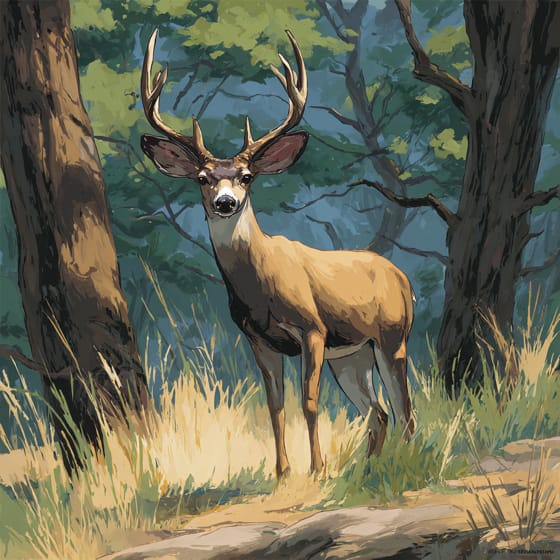
Odocoileus hemionus
Browses on its leaves and young stems.
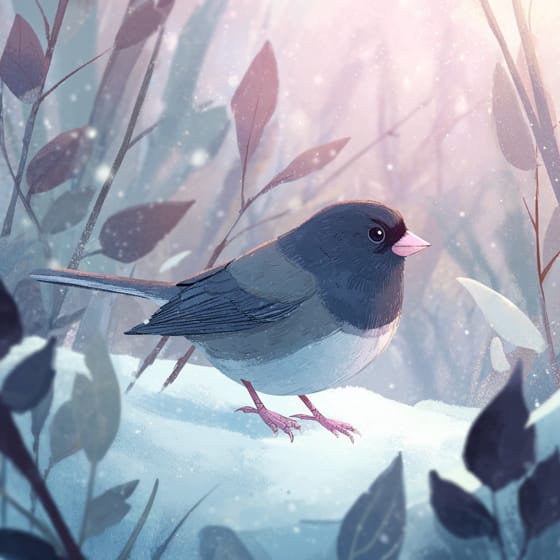
Junco hyemalis
Uses dense branches for nesting and cover.
Deciduous plants periodically shed all their leaves, typically during autumn or dry seasons.
Flowering plants are any plants that produce flowers as part of their reproductive cycle.
A shrub is a woody plant smaller than a tree, typically with multiple stems branching from or near the ground.
Spring blooming plants produce their flowers during the spring season, often signifying the end of winter and the start of new growth.

Fall color refers to the seasonal change in foliage pigmentation, primarily in deciduous plants, displaying vibrant hues.

Describes plants that are particularly attractive and beneficial to a wide range of pollinating organisms.

This habitat trait identifies species found in mountainous regions, characterized by high elevation, steep slopes, and varying climate zones.
No aliases listed yet.
Danger
1/5 · Very low
Always stay on paths when exploring nature and don't touch plants without asking an adult.
The easiest way to identify mountain ninebark is to use the Snappit nature identifier app.
100-300 cm
100-300 cm
0.5-1 cm
Late spring to early summer
No
None
Perennial
Zoom in to split clusters and explore where this object has been snapped.
Recent snaps will appear here as new observations are added.
Take the discovery with you
Snap it with Snappit to identify it, learn what makes it special, and add the discovery to your collection.







.jpg&width=800)



_001.jpg&width=800)




