





Murines
Murinae
Murines, also known as true mice, are small and quick animals that love to explore. They have long tails and big ears, making them great at hearing and balancing while they run.
Habitat: Grasslands
The Murines has a compact, slender body covered in soft fur, typically shades of brown, grey, or black, with a paler belly. They feature prominent whiskers, large eyes, and often large, rounded ears. Their long, scaly or sparsely haired tail can be as long as or longer than their body.
Category
MammalsRarity
Common
Danger
1/5 · Very low
Snaps
Be the first to snap!
A group of rats has a unique name: it's called a "mischief"!
Some Murines have tails longer than their entire body, helping them balance.
Their front teeth never stop growing, so they must constantly gnaw to keep them short.
They use high-pitched sounds, too high for humans to hear, to communicate with each other.
Murines can detect food and danger with an incredible sense of smell because of their highly developed olfactory system.
Murines can gnaw through tough materials like plastic and wood that helps them create pathways and access hidden food sources.
Murines have very short gestation periods and large litters, which helps them quickly increase their population in favorable conditions.
Murines can thrive in almost any environment, from deserts to cities, because of their flexible diet and quick learning abilities.
Murines are omnivores, eating a wide variety of plants, seeds, fruits, and small invertebrates.
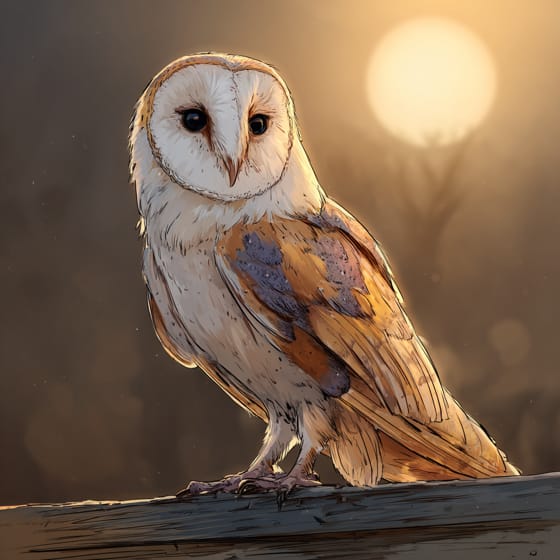
Tyto alba
A primary predator of mice and rats.
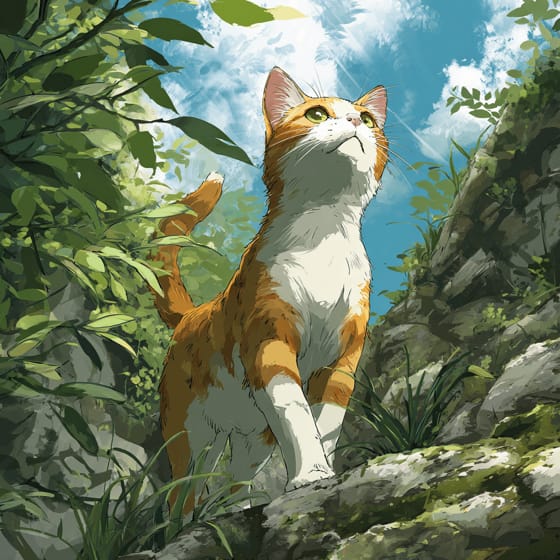
Felis catus
Hunts Murines as a natural prey.
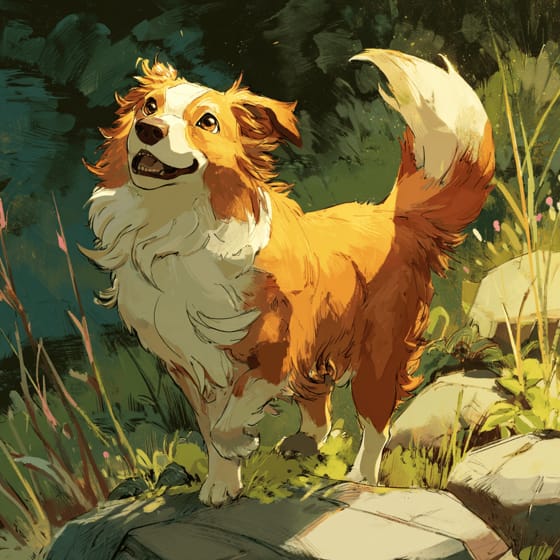
Canis familiaris
Many breeds hunt and kill Murines.

Triticum aestivum
A staple food source for many Murine species.

Homo sapiens
Murines often rely on human food waste for survival.
Furry describes animals possessing a dense covering of soft hair or fur.
Social animals live in organized groups, cooperating for survival benefits such as foraging, defense, and raising offspring.
This trait identifies organisms whose diet includes both plant and animal matter.
Grassland habitats are terrestrial biomes dominated by grasses and herbaceous plants, supporting a variety of grazing animals.

This trait characterizes organisms whose diet consists entirely or primarily of plant material.

This trait identifies organisms that exhibit exceptional swiftness in movement for hunting, escape, or travel.

Nocturnal animals are primarily active during the nighttime hours, typically resting or sleeping during the day.
Danger
1/5 · Very low
If you see a mouse, it's best to watch it from a distance and not try to touch it.
The easiest way to identify Murines is to use the Snappit nature identifier app.
5-30 cm
0.005-0.5 kg
1-3 years
12 km/h
Murines are omnivores, eating a wide variety of plants, seeds, fruits, and small invertebrates.
Grasslands
Foraging
Zoom in to split clusters and explore where this object has been snapped.
Recent snaps will appear here as new observations are added.
Take the discovery with you
Snap it with Snappit to identify it, learn what makes it special, and add the discovery to your collection.




.jpg&width=800)



.JPG&width=800)

.jpg&width=800)
