




Muscoid Flies
Muscoidea
Muscoid flies are small, buzzing insects that are often found near food and waste. They are important for breaking down decaying matter and help keep our environment clean.
Habitat: Urban areas
The Muscoid Flies are typically robust-bodied insects, often displaying grey, black, or metallic green/blue colors. They have large, prominent compound eyes and clear, membranous wings. Many have distinct stripes on their thorax, visually differentiating them from other fly families.
Category
InsectsRarity
Common
Danger
1/5 · Very low
Snaps
Be the first to snap!
Muscoid flies have thousands of eye lenses for incredible all-around vision!
Some can grow from egg to adult in less than two weeks!
Their wings beat hundreds of times a second, creating their famous buzzing sound!
They use tiny taste receptors on their feet to "taste" where they land!
Muscoid Flies has lightning-fast reflexes that helps them dodge predators and sudden movements with incredible speed.
Muscoid Flies can walk upside down on smooth surfaces because of tiny, hair-like pads on their feet.
Muscoid Flies can detect food and mates from far away because of highly sensitive antennae.
Muscoid Flies can lay many eggs that quickly hatch, allowing them to multiply very fast.
These diverse flies sip on sweet liquids, decaying matter, and some even feed on blood!
Age differences: Larvae (maggots) often consume decaying organic matter, while adults typically feed on liquids.
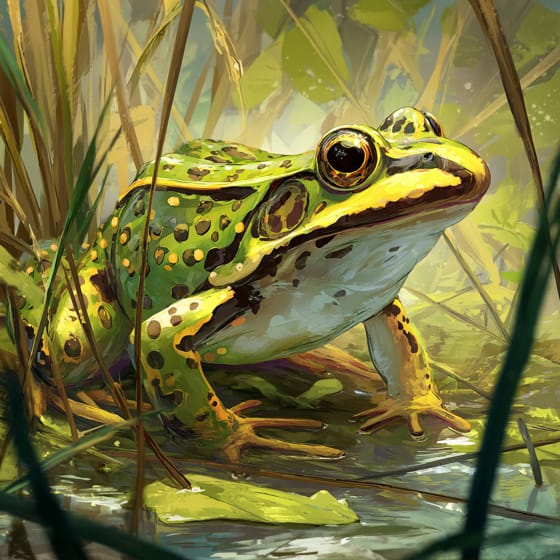
Rana pipiens
Frogs commonly feed on muscoid flies.
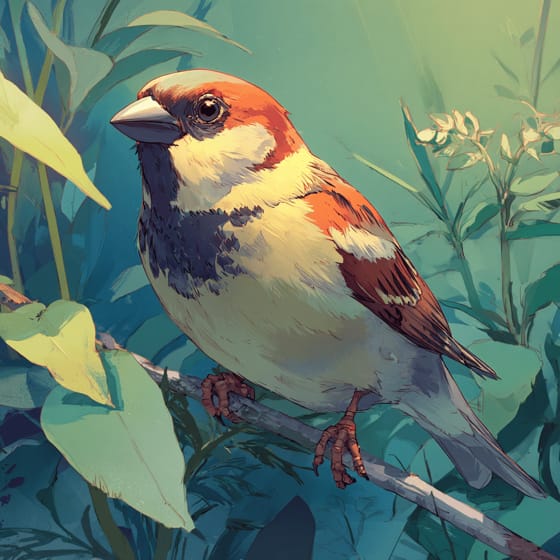
Passer domesticus
Many small birds actively prey on flies.

Bos taurus
Certain muscoid flies bite cattle for blood.
Entomophthora muscae
A specialized fungus infects and kills adult flies.
This trait identifies organisms whose diet includes both plant and animal matter.
Scavengers consume dead organic matter, helping to decompose carcasses and other waste in the ecosystem.
Describes organisms that break down dead organic material, recycling nutrients back into the ecosystem.
Diurnal animals are primarily active during daylight hours, typically resting or sleeping at night.

This trait identifies organisms that exhibit exceptional swiftness in movement for hunting, escape, or travel.

This habitat trait indicates species that can coexist with humans in urban and suburban environments, utilizing man-made structures and green spaces.

Describes organisms that transfer pollen, enabling the fertilization and reproduction of plants.
No aliases listed yet.
Danger
1/5 · Very low
Don't touch flies, as they can carry germs. Just watch them from a distance!
The easiest way to identify Muscoid Flies is to use the Snappit nature identifier app.
8-30 mm
4-15 mm
15-45 days
7 km/h
These diverse flies sip on sweet liquids, decaying matter, and some even feed on blood!
Urban areas
Foraging
Zoom in to split clusters and explore where this object has been snapped.
Recent snaps will appear here as new observations are added.
Take the discovery with you
Snap it with Snappit to identify it, learn what makes it special, and add the discovery to your collection.








.jpg&width=800)




