





Nicobar Pigeon
caloenas nicobarica
The Nicobar Pigeon is a beautiful bird with shiny green and blue feathers! It loves to eat fruits and seeds and can be found in tropical forests.
Habitat: Tropical forests and coastal areas in the Nicobar Islands.
The Nicobar Pigeon has dazzling iridescent green and blue plumage with bronze undertones across its head and body, contrasting sharply with its pure white tail. Its shaggy, elongated neck feathers give it a unique, flamboyant appearance, easily distinguishing it from other pigeons.
Category
BirdsRarity
Common
Danger
0/5 · No known danger
Snaps
Be the first to snap!
Nicobar Pigeons often gather in huge flocks on tiny islands to sleep safely.
They prefer to walk on the forest floor but fly powerfully between islands.
They swallow small stones, called grit, to help their gizzard grind tough seeds.
This pigeon is the closest living relative of the extinct Dodo bird!
Nicobar Pigeons have dazzling iridescent feathers that shimmer, helping them camouflage in jungle or attract a mate.
Nicobar Pigeons can digest tough seeds because of their strong gizzard, which helps them access nutrients from hard foods.
Nicobar Pigeons can fly between islands, helping them find food and safe roosting spots across their fragmented habitat.
Nicobar Pigeons can safely roost high in trees at night, which helps protect them from ground predators.
These pigeons are ground foragers, mostly eating fallen fruits and seeds from the forest floor.
Ficus elastica
Consumes fallen fruits and seeds.
Diospyros discolor
Forages for its fallen fruits.
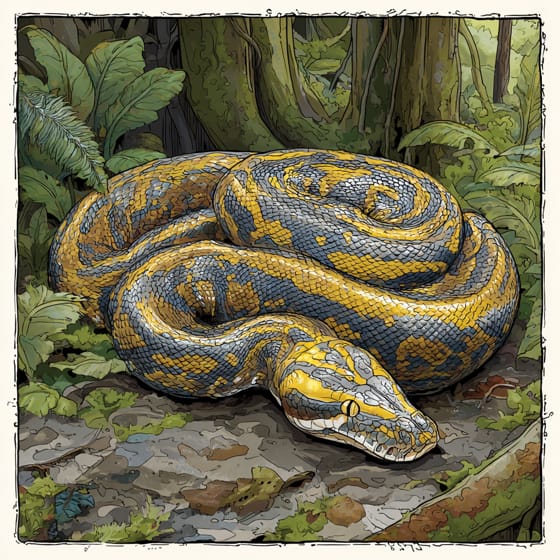
Python reticulatus
Python can prey on adults and fledglings.

Macaca fascicularis
Monkeys may raid nests for eggs.
Social animals live in organized groups, cooperating for survival benefits such as foraging, defense, and raising offspring.
Arboreal animals live primarily in trees, utilizing them for shelter, food, and protection from predators.
Colorful describes organisms or objects displaying a wide range of bright and distinct colors.
Forest habitats are terrestrial environments dominated by dense tree cover, supporting a high diversity of plant and animal life.

Endangered status indicates a species is at a very high risk of extinction in the wild in the near future.
Danger
0/5 · No known danger
No special safety notes yet.
The easiest way to identify Nicobar Pigeon is to use the Snappit nature identifier app.
36-40 cm
40-45 cm
0.22-0.3 kg
8-15 years
55 km/h
These pigeons are ground foragers, mostly eating fallen fruits and seeds from the forest floor.
Tropical forests and coastal areas in the Nicobar Islands.
Zoom in to split clusters and explore where this object has been snapped.
Recent snaps will appear here as new observations are added.
Take the discovery with you
Snap it with Snappit to identify it, learn what makes it special, and add the discovery to your collection.




.jpg&width=800)









