





Northeastern Hammertail
Efferia aestuans
The Northeastern Hammertail is a special kind of fly with a long, thin body and beautiful wings. It loves to buzz around flowers and is great at helping plants grow by spreading pollen.
Habitat: Wetlands
The Northeastern Hammertail is a sleek, medium-sized robber fly with a generally dark gray to black body, often appearing frosted on its back. It has distinctive long, tapering abdomen segments that give it a 'hammertail' appearance and large, prominent compound eyes. Its face features a prominent, bristly 'beard' of hairs.
Category
InsectsRarity
Common
Danger
1/5 · Very low
Snaps
4
A Hammertail's bristly 'beard' protects its face from struggling prey as it attacks.
Baby Hammertails live underground for years, hunting grubs before they grow wings.
Despite being flies, they sometimes mimic bees or wasps to scare off predators!
This fly can turn its head nearly 360 degrees to spot prey from all angles!
Northeastern Hammertail can snatch flying insects right out of the air using its powerful, spiky legs to secure its prey.
Northeastern Hammertail has a sharp proboscis that injects venom, quickly paralyzing its prey for an easy meal.
Northeastern Hammertail can blend into its environment, waiting patiently on plants or ground to ambush unsuspecting insects.
This fierce insectivore is a master aerial hunter, feeding on a variety of other flying insects.
Age differences: Larvae eat grubs and other insect eggs found in the soil.
Apis mellifera
A common prey item for adult Hammertails.
Musca domestica
Frequently captured by Hammertails in open areas.
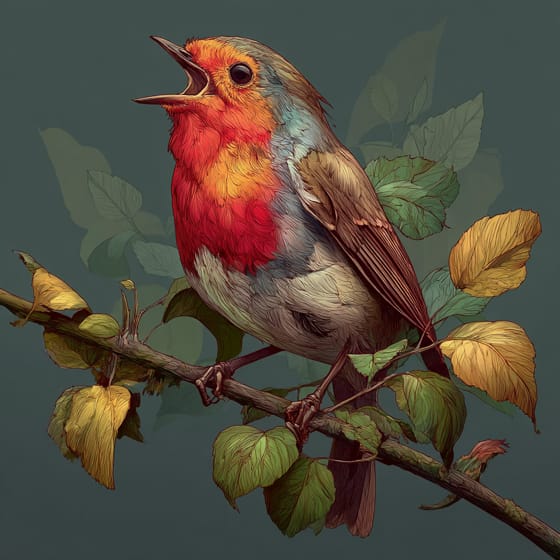
Turdus migratorius
Robber flies can be caught and eaten by insectivorous birds.
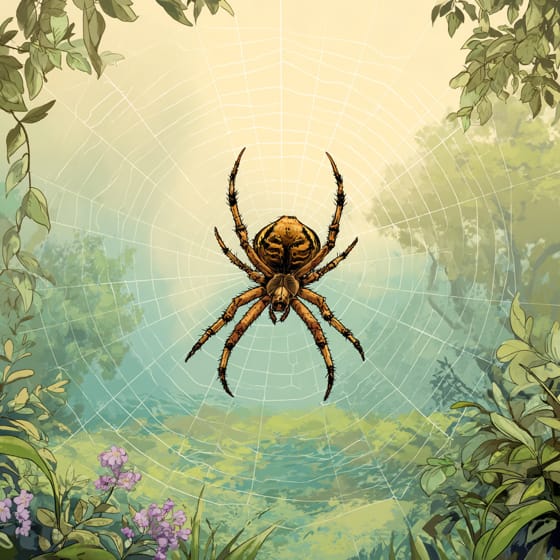
Argiope aurantia
May get caught in spider webs as they hunt.
Schistocerca americana
Larger Hammertails can prey on smaller grasshoppers.
Social animals live in organized groups, cooperating for survival benefits such as foraging, defense, and raising offspring.
Aerial creatures spend a significant portion of their lives airborne, utilizing flight for various activities such as hunting, migration, or nesting.
Colorful describes organisms or objects displaying a wide range of bright and distinct colors.
This trait characterizes organisms whose diet consists entirely or primarily of plant material.

Describes plants that are particularly attractive and beneficial to a wide range of pollinating organisms.

This habitat trait identifies species found in wetlands, which are areas of land saturated with water, either permanently or seasonally, including marshes, swamps, and bogs.

This trait identifies organisms whose diet consists entirely or primarily of animal tissue.

Diurnal animals are primarily active during daylight hours, typically resting or sleeping at night.

Describes organisms that transfer pollen, enabling the fertilization and reproduction of plants.
No aliases listed yet.
Danger
1/5 · Very low
These flies are harmless, but it's best to watch them from a distance.
The easiest way to identify Northeastern Hammertail is to use the Snappit nature identifier app.
30-50 mm
15-25 mm
20-40 days
25 km/h
This fierce insectivore is a master aerial hunter, feeding on a variety of other flying insects.
Wetlands
Ambush
Zoom in to split clusters and explore where this object has been snapped.

Rhode Island, US
You might spot Spotted Lanternfly, Duck, and American Robin.
View guide →

Indiana, US
You might spot Eastern Fox Squirrel, Duck, and Canada Goose.
View guide →

Rhode Island, US
You might spot Spotted Lanternfly, American Robin, and Duck.
View guide →

Rhode Island, US
You might spot Spotted Lanternfly, American Robin, and Duck.
View guide →

Rhode Island, US
You might spot Spotted Lanternfly, Duck, and American Robin.
View guide →

Rhode Island, US
You might spot Spotted Lanternfly and American Robin.
View guide →
Take the discovery with you
Snap it with Snappit to identify it, learn what makes it special, and add the discovery to your collection.







.jpg&width=800)



