_(9061417837).jpg&width=800)





Northern Cloudywing
Cecropterus pylades
The Northern Cloudywing is a small butterfly with beautiful brown wings that have light spots. It loves to flutter around flowers and is often seen in sunny areas during the warm months.
Habitat: Grasslands
The Northern Cloudywing is a small, dark brown butterfly with a stout body and a moth-like appearance. Its forewings feature small, almost clear, glassy spots, and its wings have fringed edges. This gives it a distinct look different from typical brightly colored butterflies.
Category
InsectsRarity
Common
Danger
1/5 · Very low
Snaps
9
Adults are important pollinators, visiting a wide variety of colorful wildflowers for nectar.
Despite looking like a moth, the Northern Cloudywing is a butterfly because it flies during the day!
Its scientific name, Cecropterus pylades, honors a Greek mythological hero, Pylades!
Unlike many butterflies, its antennae have a tiny hook at the very end, like a fishing pole!
Northern Cloudywing can fly with incredibly fast, darting movements because of its powerful wing muscles that help it evade predators.
Northern Cloudywing has a mottled dark brown coloration that helps it blend perfectly with tree bark and dried leaves, making it hard to spot.
Northern Cloudywing caterpillars can cleverly roll leaves together using silk because this creates a secure, hidden shelter for them.
Adults sip flower nectar, while their caterpillars munch on leaves.
Age differences: Larvae consume host plant leaves, while adult butterflies feed on flower nectar.
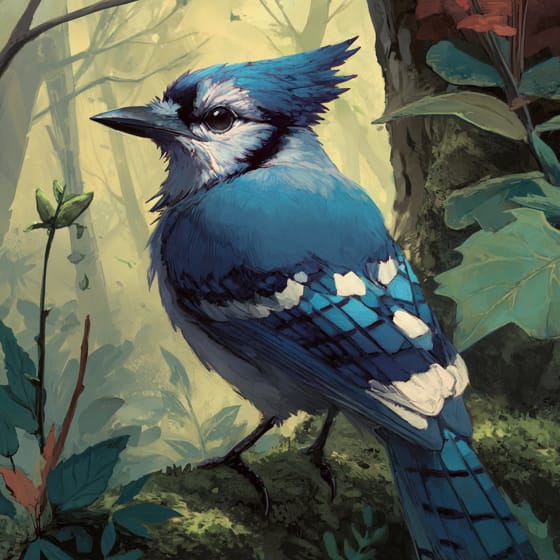
Cyanocitta cristata
Blue Jays prey on adult butterflies and caterpillars.

Trifolium pratense
Adults feed on and pollinate the flowers of red clover.

Robinia pseudoacacia
Caterpillars feed on the leaves of black locust trees.

Medicago sativa
Caterpillars also consume the foliage of alfalfa plants.
Marked with spots or patches of a different color.
Solitary animals live alone for most of their lives, only interacting with others for mating or parental care.
Camouflaged describes organisms that possess coloring or patterns that allow them to blend into their environment.
Grassland habitats are terrestrial biomes dominated by grasses and herbaceous plants, supporting a variety of grazing animals.

This trait characterizes organisms whose diet consists entirely or primarily of plant material.

Describes plants that are particularly attractive and beneficial to a wide range of pollinating organisms.

Diurnal animals are primarily active during daylight hours, typically resting or sleeping at night.

Describes organisms that transfer pollen, enabling the fertilization and reproduction of plants.
No aliases listed yet.
Danger
1/5 · Very low
Always watch butterflies from a distance and don't try to catch them.
The easiest way to identify Northern Cloudywing is to use the Snappit nature identifier app.
25-35 mm
15-20 mm
10-20 days
15 km/h
Adults sip flower nectar, while their caterpillars munch on leaves.
Grasslands
Foraging
Zoom in to split clusters and explore where this object has been snapped.

Florida, US
You might spot Anole, Eastern Box Turtle, and Golden Silk Spider.
View guide →

Michigan, US
You might spot Eastern Gray Squirrel, Tree-Of-Heaven, and House Sparrow.
View guide →

Arkansas, US
You might spot Widow's-Cross, Yucca Giant-Skipper, and Outis Skipper.
View guide →

Michigan, US
You might spot Eastern Gray Squirrel, Rock Pigeon, and House Sparrow.
View guide →

New Mexico, US
You might spot Vermilion Flycatcher, Turkey, and American Rubyspot.
View guide →

British Columbia, CA
You might spot Oregon Grape, Shinyleaf Meadowsweet, and Bush Penstemon.
View guide →
Take the discovery with you
Snap it with Snappit to identify it, learn what makes it special, and add the discovery to your collection.






.jpg&width=800)




