



northern crested caracara
Caracara cheriway
The northern crested caracara is a striking bird with a bold look and a unique crest on its head. It loves to roam open areas, searching for food like insects and small animals.
Habitat: Grasslands
The northern crested caracara has a distinctive black cap and shaggy crest atop a white neck and throat. Its body is dark, often appearing blackish-brown, with white patches near the wingtips visible in flight. Bright orange-red facial skin and pale yellow legs make it stand out.
Category
BirdsRarity
Common
Danger
1/5 · Very low
Snaps
Be the first to snap!
Caracaras are sometimes called the "Mexican Eagle" even though they are a type of falcon!
These clever birds have been observed using tools like sticks to roll eggs or move food.
They often steal food right from the talons of other birds, a behavior called kleptoparasitism.
Unlike most raptors, caracaras build bulky stick nests in trees or shrubs, not on cliffs.
The northern crested caracara can walk and run easily on the ground because of its long legs, helping them hunt prey.
Northern crested caracaras have a strong, hooked beak that helps them tear meat, crack eggs, and open tough foods.
Northern crested caracaras can follow other scavengers like vultures because of their keen eyesight, leading them to food.
Caracaras are clever omnivores that eat almost anything, from insects and small animals to carrion!
_(11-8-13)_ben-rio_grande_state_park%2C_mission%2C_tx_-01_(10750151035).jpg&width=800)
Sigmodon hispidus
a common small mammal prey
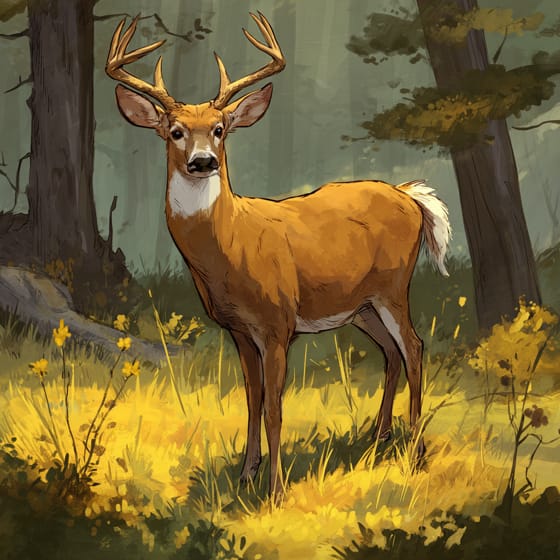
Odocoileus virginianus
feasts on available carrion
Quercus virginiana
often builds nests in sturdy branches
Cathartes aura
sometimes follows to find carrion
Feathered describes animals, primarily birds, possessing a covering of feathers.
Crested describes animals possessing a prominent tuft of feathers, hair, or skin on their head.
Social animals live in organized groups, cooperating for survival benefits such as foraging, defense, and raising offspring.
Scavengers consume dead organic matter, helping to decompose carcasses and other waste in the ecosystem.

Grassland habitats are terrestrial biomes dominated by grasses and herbaceous plants, supporting a variety of grazing animals.

This trait identifies organisms whose diet consists entirely or primarily of animal tissue.

Diurnal animals are primarily active during daylight hours, typically resting or sleeping at night.
No aliases listed yet.
Danger
1/5 · Very low
Always watch birds from a distance and do not try to touch or feed them.
The easiest way to identify northern crested caracara is to use the Snappit nature identifier app.
49-60 cm
120-132 cm
0.9-1.3 kg
10-15 years
60 km/h
Caracaras are clever omnivores that eat almost anything, from insects and small animals to carrion!
Grasslands
Zoom in to split clusters and explore where this object has been snapped.
Recent snaps will appear here as new observations are added.
Take the discovery with you
Snap it with Snappit to identify it, learn what makes it special, and add the discovery to your collection.




.jpg&width=800)








