.jpg&width=800)





Northern Parula
Setophaga americana
The Northern Parula is a small, colorful bird with a lovely blue and yellow body. They sing sweet songs and love to flit around trees, making them a joy to watch in nature.
Habitat: Forests
The Northern Parula is a small warbler with a blue-gray back, a distinctive yellowish-green patch on its upper back, and two prominent white wing bars. Its breast shows a yellow wash, often with a rusty or blackish band, and it has white eye crescents.
Category
BirdsRarity
Common
Danger
1/5 · Very low
Snaps
13
Male Parulas have a noticeable rusty-orange chest band that females usually lack.
Sometimes they even use spider silk to help bind their nests together!
They often build their unique, cup-shaped nests inside hanging 'Old Man's Beard' lichen.
This tiny bird can migrate thousands of kilometers, flying over vast oceans!
Northern Parula can weave intricate hanging nests within clumps of moss or lichen, which keeps their eggs safe from some predators.
Northern Parula can perform acrobatic maneuvers, hanging upside down, to pick tiny insects and spiders from leaves and bark.
Northern Parula has a distinctive buzzy, ascending trill song that helps them attract mates and define their territory.
They mostly munch on tiny insects and spiders, helping keep nature's pest population in check!
Usnea strigosa
Used for building their unique hanging nests
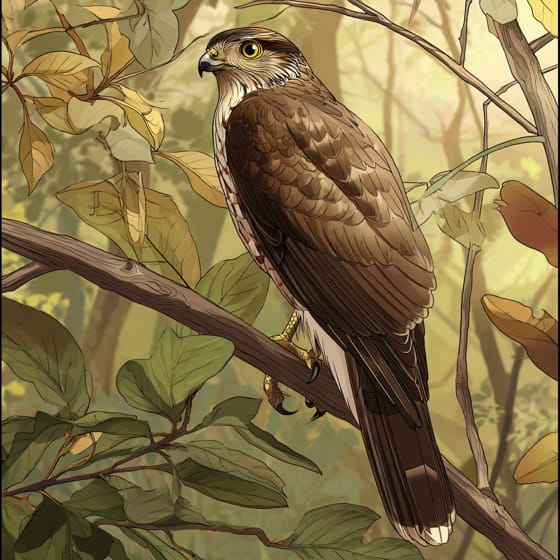
Accipiter cooperii
A common predator of small songbirds
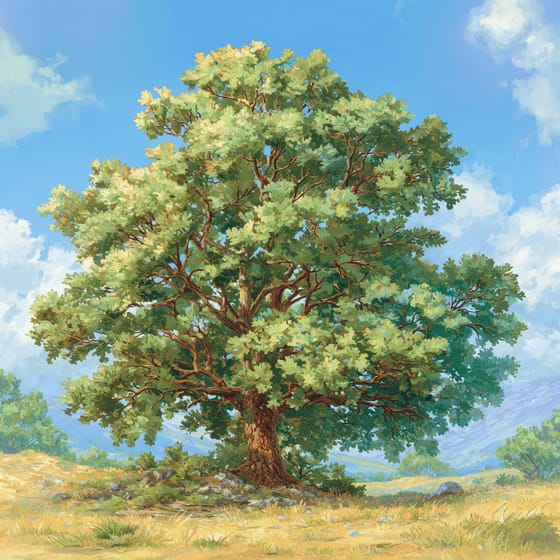
Quercus alba
Provides habitat and a source of insect prey
Feathered describes animals, primarily birds, possessing a covering of feathers.
Singing animals produce complex vocalizations, often for purposes of attracting mates, defending territory, or communicating within their species.
Arboreal animals live primarily in trees, utilizing them for shelter, food, and protection from predators.
Colorful describes organisms or objects displaying a wide range of bright and distinct colors.

This trait identifies organisms whose diet primarily consists of insects and other small invertebrates.

Forest habitats are terrestrial environments dominated by dense tree cover, supporting a high diversity of plant and animal life.

Diurnal animals are primarily active during daylight hours, typically resting or sleeping at night.

Migratory animals undertake seasonal movements from one region to another, typically in response to changes in climate or food availability.
No aliases listed yet.
Danger
1/5 · Very low
Always observe birds from a distance and do not disturb their nests.
The easiest way to identify Northern Parula is to use the Snappit nature identifier app.
10.5-12.5 cm
16-18 cm
0.0055-0.011 kg
3-6 years
45 km/h
They mostly munch on tiny insects and spiders, helping keep nature's pest population in check!
Forests
Zoom in to split clusters and explore where this object has been snapped.

Alabama, US
You might spot Elf Orpine, Canada Goose, and Leatherleaf Mahonia.
View guide →

Florida, US
You might spot Anole, Eastern Box Turtle, and Golden Silk Spider.
View guide →

US
You might spot Monarch, Ipsilon Dart Moth, and Canada Goose.
View guide →

Washington, US
You might spot Pacific Banana Slug and Oregon Forestsnail.
View guide →
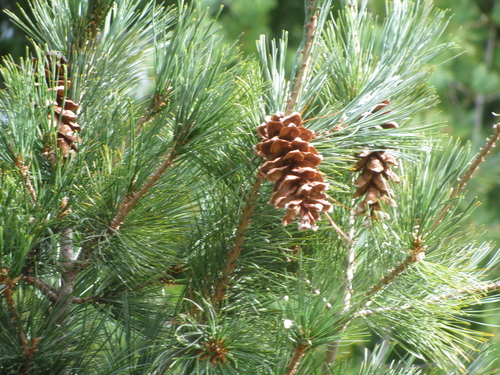
New Hampshire, US
You might spot Eastern White Pine, Eastern Skunk Cabbage, and Duck.
View guide →

Alabama, US
You might spot Elf Orpine, Canada Goose, and Great Blue Heron.
View guide →
Take the discovery with you
Snap it with Snappit to identify it, learn what makes it special, and add the discovery to your collection.




.jpg&width=800)






