





Northern Shoveler
Spatula clypeata
The Northern Shoveler is a colorful duck with a unique, wide bill that looks like a shovel! They love to swim in ponds and wetlands, where they filter food from the water.
Habitat: Wetlands
The Northern Shoveler is easily recognized by its distinctively large, spoon-shaped bill. Males boast an iridescent green head, a white chest, and chestnut-red sides, while females are a more subtle mottled brown. Both sexes have a bright blue patch on their wings.
Category
BirdsRarity
Common
Danger
1/5 · Very low
Snaps
14
Northern Shovelers sometimes swim in circles to stir up tasty water bugs!
Their huge bill contains tiny comb-like filters called lamellae!
These ducks often dabble with their heads down, showing their rumps!
You might spot their bright blue wing patches when they fly away!
Northern Shoveler has a unique, broad, spoon-shaped bill with special filters that helps them sieve tiny food from water.
Northern Shoveler can spin in circles in the water to create currents, concentrating food particles for easier filtering.
Northern Shoveler can fly thousands of kilometers during migration, helping them find warm wintering grounds and abundant food.
These ducks filter tiny plants, seeds, and small critters from the water using their special bills.

Haliaeetus leucocephalus
Adult shovelers can be prey for large raptors.
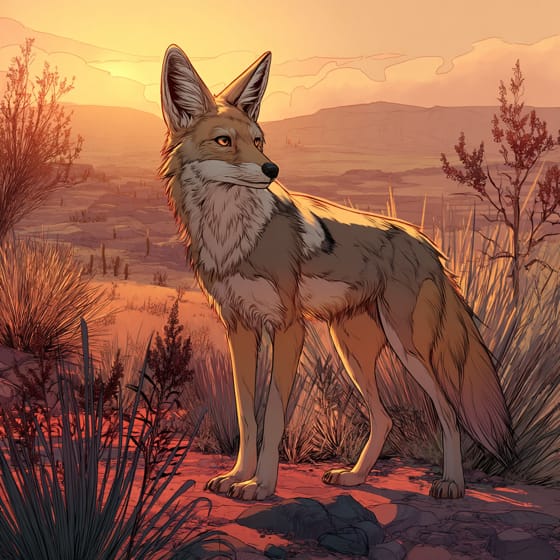
Canis latrans
Coyotes often prey on eggs and ducklings in nests.
Typha latifolia
Cattails provide nesting cover and materials in marsh habitats.
Daphnia magna
Water fleas are a common zooplankton filtered by their bills.
Characterized by having toes connected by a membrane, typically aiding in swimming.
Marked with spots or patches of a different color.
Social animals live in organized groups, cooperating for survival benefits such as foraging, defense, and raising offspring.
Colorful describes organisms or objects displaying a wide range of bright and distinct colors.

Filter feeders obtain nutrients by straining suspended food particles and small organisms from water.

This habitat trait identifies species found in wetlands, which are areas of land saturated with water, either permanently or seasonally, including marshes, swamps, and bogs.

Diurnal animals are primarily active during daylight hours, typically resting or sleeping at night.

Aquatic habitats encompass environments where organisms live predominantly in water, including oceans, rivers, lakes, and wetlands.

Migratory animals undertake seasonal movements from one region to another, typically in response to changes in climate or food availability.
Danger
1/5 · Very low
Always watch ducks from a distance and don't feed them bread.
The easiest way to identify Northern Shoveler is to use the Snappit nature identifier app.
43-56 cm
70-84 cm
0.4-0.8 kg
10-15 years
75 km/h
These ducks filter tiny plants, seeds, and small critters from the water using their special bills.
Wetlands
Zoom in to split clusters and explore where this object has been snapped.

California, US
You might spot Snowy Egret, Great Blue Heron, and Willet.
View guide →

California, US
You might spot American Avocet, Great Egret, and Snowy Egret.
View guide →
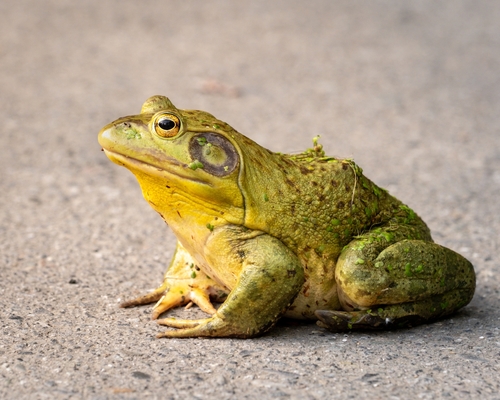
Virginia, US
You might spot American Bullfrog, Snapping Turtle, and Great Blue Heron.
View guide →
Virginia, US
You might spot American Bullfrog, Snapping Turtle, and Great Blue Heron.
View guide →

Texas, US
You might spot Silverleaf Nightshade and Green Comet Milkweed.
View guide →

Virginia, US
You might spot American Bullfrog, Snapping Turtle, and Great Blue Heron.
View guide →
Take the discovery with you
Snap it with Snappit to identify it, learn what makes it special, and add the discovery to your collection.




.jpg&width=800)








