





Northern Spotted Owl
Strix occidentalis caurina
The Northern Spotted Owl is a majestic bird with dark eyes and brown feathers covered in white spots. It hunts silently at night and nests in old-growth forests.
Habitat: Forests
The Northern Spotted Owl is a medium-sized owl with dark brown plumage covered in prominent white spots across its head, back, and belly. It has a round head, no ear tufts, and large, dark eyes, distinguishing it from similar streaky owls.
Category
BirdsRarity
Rare
Danger
1/5 · Very low
Snaps
1
An owl can swivel its head almost all the way around without moving its body!
Their chicks are called 'owlets' and are born covered in fluffy white down.
They often use old hawk nests or broken-off tree tops for their nurseries.
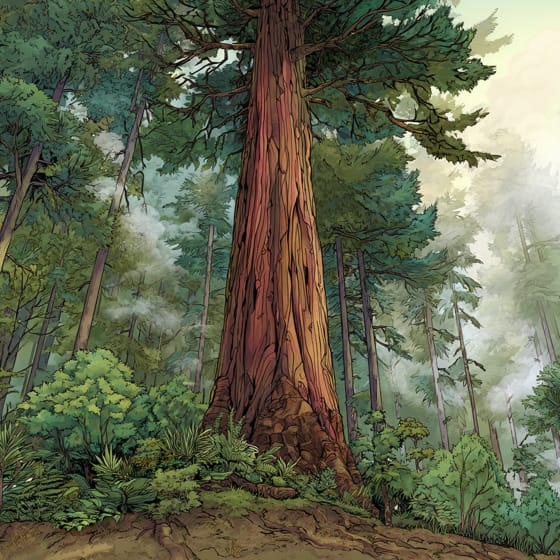
This owl needs ancient forests with giant trees to make its home!
Northern Spotted Owls have soft, fringed feathers that help them fly silently, allowing them to ambush prey undetected.
Northern Spotted Owls possess huge, fixed eyes packed with light-sensing cells that help them see tiny prey in the darkest forests.
Northern Spotted Owls have offset ear openings that help them pinpoint the exact location of prey just by sound.
This nocturnal hunter mostly eats small mammals, catching them with stealthy flight.

Glaucomys sabrinus
Primary prey, a key part of their forest diet.
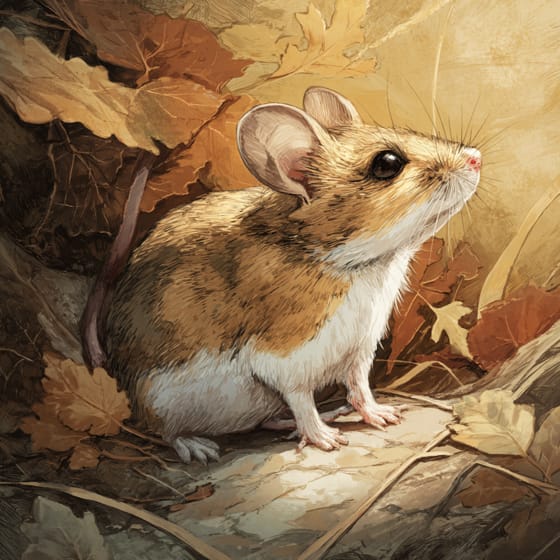
Peromyscus maniculatus
Frequent prey item in their forest foraging grounds.
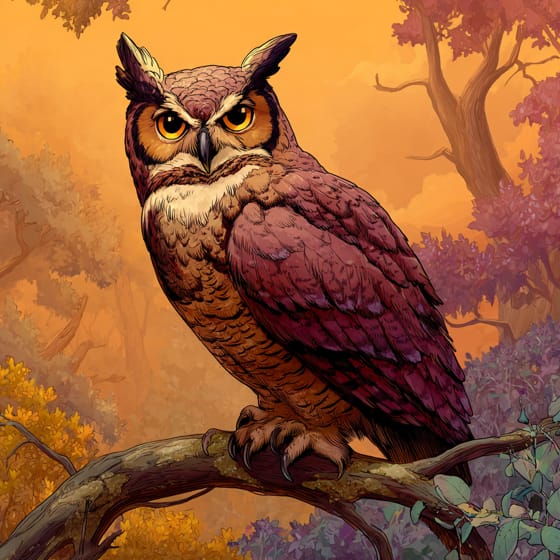
Bubo virginianus
A larger owl that sometimes preys on Northern Spotted Owls.
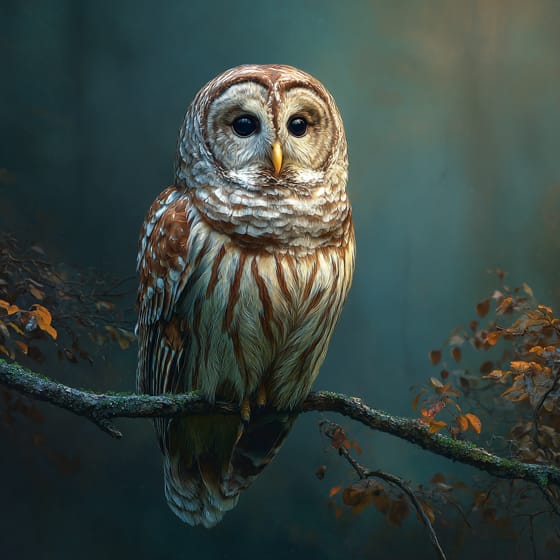
Strix varia
An invasive competitor that can also prey on Spotted Owls.
Feathered describes animals, primarily birds, possessing a covering of feathers.
Solitary animals live alone for most of their lives, only interacting with others for mating or parental care.
Thermoregulating organisms maintain a stable internal body temperature despite fluctuations in the external environment.
This trait signifies organisms belonging to a very old evolutionary group with ancestors dating back millions of years.

Forest habitats are terrestrial environments dominated by dense tree cover, supporting a high diversity of plant and animal life.

This habitat trait identifies species found in temperate rainforests, characterized by significant rainfall, mild temperatures, and dense evergreen or deciduous forests in coastal regions.

This trait identifies organisms whose diet consists entirely or primarily of animal tissue.

Describes a species whose presence and role have a disproportionately large effect on its environment.

Nocturnal animals are primarily active during the nighttime hours, typically resting or sleeping during the day.
No aliases listed yet.
Danger
1/5 · Very low
If you ever see a Northern Spotted Owl in the wild, admire it from a distance without disturbing its home.
The easiest way to identify Northern Spotted Owl is to use the Snappit nature identifier app.
40-48 cm
100-114 cm
0.5-0.7 kg
10-15 years
40 km/h
This nocturnal hunter mostly eats small mammals, catching them with stealthy flight.
Forests
Zoom in to split clusters and explore where this object has been snapped.
Take the discovery with you
Snap it with Snappit to identify it, learn what makes it special, and add the discovery to your collection.







.jpg&width=800)







