





Northwestern Salamander
Ambystoma gracile
The Northwestern Salamander is a cool little creature that loves to live in damp places. With its smooth skin and long body, it can be found hiding under rocks and logs in the forest.
Habitat: Forests
The Northwestern Salamander has a stout body and a broad head, typically dark brown, black, or gray, sometimes with small yellow or tan flecks. Its skin is smooth and moist, and it features prominent parotoid glands behind its eyes.
Category
AmphibiansRarity
Common
Danger
1/5 · Very low
Snaps
7
Baby salamanders hatch with external gills, looking like tiny aquatic dragons!
Some can stay forever young, living their whole life with feathery gills!
Their eggs are laid in huge, jelly-like masses, sometimes as big as your hand!
They embark on long, mass migrations to specific ponds for breeding.
Northwestern Salamander has special glands behind its head that release a milky, toxic substance, helping deter predators.
Northwestern Salamander can regrow lost limbs, tails, and even parts of their brain or eyes, helping them recover from injury.
Northwestern Salamander can absorb oxygen directly through its moist skin because of tiny blood vessels, helping them breathe underwater.
These tiny hunters eat many small creatures, using their sticky tongue to catch prey.
Age differences: Larvae eat aquatic invertebrates; adults eat terrestrial invertebrates.
Thamnophis sirtalis
Preys on adult salamanders and their larvae.
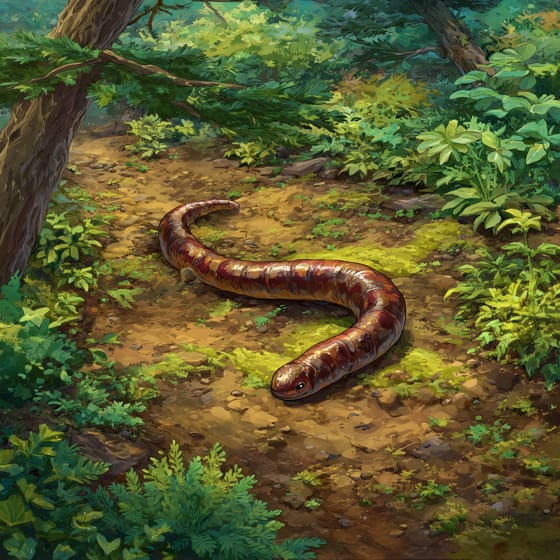
Lumbricus terrestris
A primary food source for adult salamanders.

Procyon lotor
Hunts salamanders near water sources.
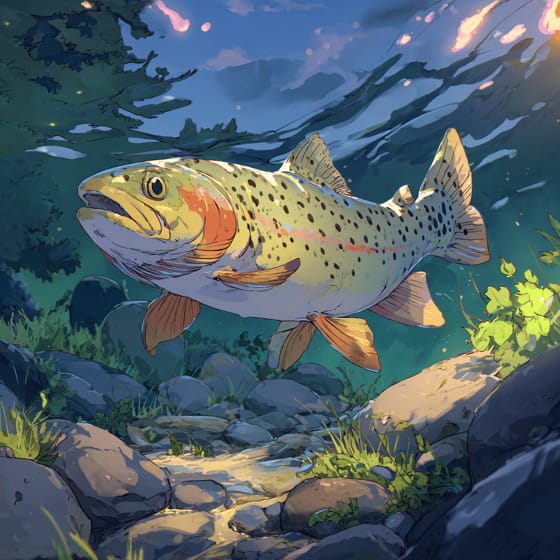
Oncorhynchus mykiss
Consumes salamander larvae in aquatic habitats.
Solitary animals live alone for most of their lives, only interacting with others for mating or parental care.
This trait identifies organisms whose diet primarily consists of insects and other small invertebrates.
Describes organisms that break down dead organic material, recycling nutrients back into the ecosystem.
Forest habitats are terrestrial environments dominated by dense tree cover, supporting a high diversity of plant and animal life.

This trait characterizes organisms with an exceptionally long lifespan compared to others of their kind.

Regenerative organisms possess the ability to regrow lost or damaged body parts, tissues, or organs.

Nocturnal animals are primarily active during the nighttime hours, typically resting or sleeping during the day.

Endangered status indicates a species is at a very high risk of extinction in the wild in the near future.
No aliases listed yet.
Danger
1/5 · Very low
If you see a salamander, look but don't touch! They need to stay safe in their homes.
The easiest way to identify Northwestern Salamander is to use the Snappit nature identifier app.
7.5-18 cm
0.01-0.03 kg
6-15 years
0.5 km/h
These tiny hunters eat many small creatures, using their sticky tongue to catch prey.
Forests
Ambush
Zoom in to split clusters and explore where this object has been snapped.

Washington, US
You might spot Pacific Tree Frog and Long-Toed Salamander.
View guide →

Oregon, US
You might spot Rough-Skinned Newt and Northern Red-Legged Frog.
View guide →

Washington, US
You might spot Cascade Golden-Mantled Ground Squirrel.
View guide →

Washington, US
You might spot Cascade Golden-Mantled Ground Squirrel.
View guide →
.jpg)
Washington, US
You might spot Duck, Great Blue Heron, and Western Redcedar.
View guide →

British Columbia, CA
You might spot Pacific Banana Slug and Western Sword Fern.
View guide →
Take the discovery with you
Snap it with Snappit to identify it, learn what makes it special, and add the discovery to your collection.







.JPG&width=800)


.jpg&width=800)
