





Oblong-winged Katydid
Amblycorypha oblongifolia
The Oblong-winged Katydid is a green insect that loves to hide in grass and bushes. It makes a special sound at night that sounds like music in the garden!
Habitat: Grasslands
The Oblong-winged Katydid is a vibrant green insect with a large, somewhat flattened body. Its namesake wings are long and distinctly oblong, perfectly mimicking the shape and veins of a green leaf, making it difficult to spot among foliage. It also has very long, thin antennae.
Category
InsectsRarity
Common
Danger
1/5 · Very low
Snaps
1
Its super-long antennae help it 'see' in the dark by feeling its surroundings.
Katydids chew their food with strong mandibles, like tiny garden shears!
Some people call their song 'katy-did, katy-didn't' because of its rhythm!
When threatened, it might jump away with powerful hind legs, rather than fly.
Oblong-winged Katydid has a leaf-shaped body and wings that help them blend perfectly with plants to hide from hungry predators.
Oblong-winged Katydid can rub its wings together to create a loud, buzzing song that helps them attract mates in the darkness.
Oblong-winged Katydid has tiny ears located on its front legs that help them detect sounds, including other katydids' songs.
Oblong-winged Katydid can use a special sword-like organ called an ovipositor to neatly deposit eggs into plant stems.
This green insect munches on leaves, flowers, and fruits, like a tiny garden gourmet.
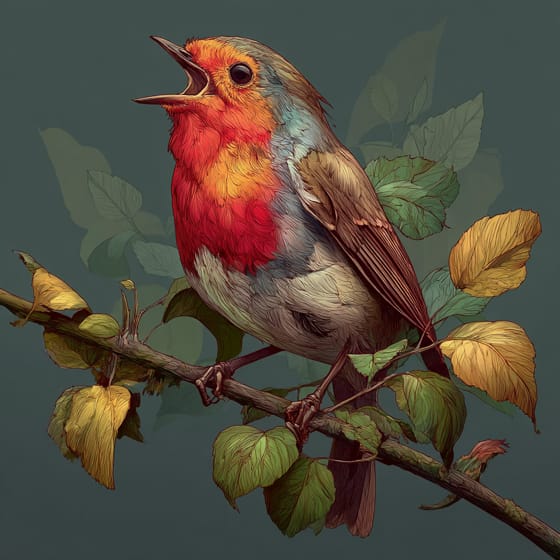
Turdus migratorius
A common bird predator, especially during daylight hours.
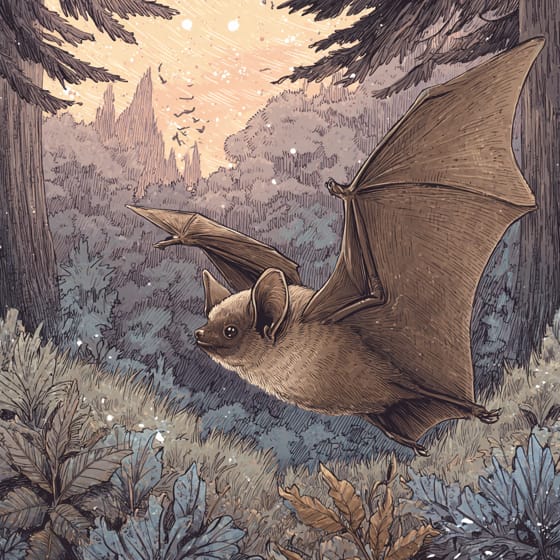
Myotis lucifugus
Hunts by echolocation, catching katydids at night.
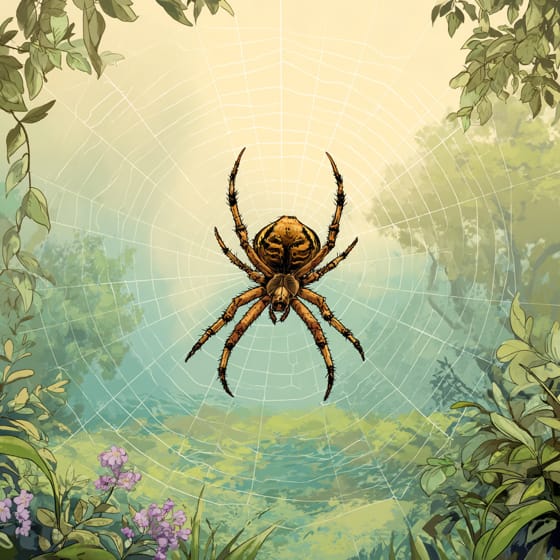
Argiope aurantia
Catches unwary katydids in its intricate orb webs.

Quercus alba
Feeds on the leaves of this widespread tree species.
Singing animals produce complex vocalizations, often for purposes of attracting mates, defending territory, or communicating within their species.
Camouflaged describes organisms that possess coloring or patterns that allow them to blend into their environment.
Colorful describes organisms or objects displaying a wide range of bright and distinct colors.
Grassland habitats are terrestrial biomes dominated by grasses and herbaceous plants, supporting a variety of grazing animals.

This trait characterizes organisms whose diet consists entirely or primarily of plant material.

Nocturnal animals are primarily active during the nighttime hours, typically resting or sleeping during the day.

Describes organisms that transfer pollen, enabling the fertilization and reproduction of plants.
No aliases listed yet.
Danger
1/5 · Very low
Always watch where you step in tall grass to avoid insects.
The easiest way to identify Oblong-winged Katydid is to use the Snappit nature identifier app.
70-100 mm
35-50 mm
60-120 days
This green insect munches on leaves, flowers, and fruits, like a tiny garden gourmet.
Grasslands
Foraging
6
Zoom in to split clusters and explore where this object has been snapped.
Take the discovery with you
Snap it with Snappit to identify it, learn what makes it special, and add the discovery to your collection.








.jpg&width=800)



