.jpg&width=800)





Old man's beard
Clematis vitalba
Old man's beard is a climbing plant with fluffy white flowers that look like soft beards! It grows on walls, trees, and fences, making nature look beautiful.
Habitat: Urban areas
The Old man's beard is a vigorous, woody climbing vine with light green leaves. It has small, greenish-white flowers in summer, which transform into distinctive fluffy, silvery-white seed heads resembling an old man's beard.
Category
PlantsRarity
Common
Danger
2/5 · Low
Snaps
Be the first to snap!
It's sometimes called "Traveller's Joy" because it often grows along ancient travel routes!
Its fluffy seed heads look like an old man's white beard, giving it its memorable common name!
Rubbing fresh leaves on skin can cause a burning sensation, used historically as a blistering agent!
This vine can grow so fast, it can completely cover fences, trees, and buildings in one season!
Old man's beard can climb high using its leaf stalks as tendrils, twisting around supports to reach sunlight.
This plant has fluffy, feathery seed tails that help its seeds catch the wind and travel far from the parent plant.
Old man's beard grows very quickly, forming dense mats of foliage that can cover and shade out other plants below it.
Apis mellifera
collects nectar and pollen from flowers
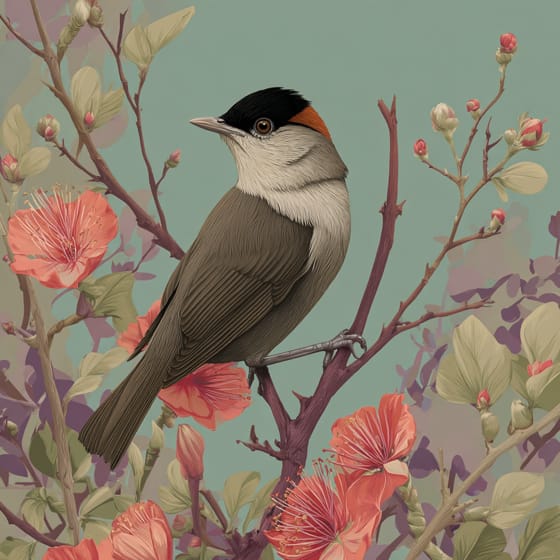
Sylvia atricapilla
uses dense tangles for nesting and cover
Crataegus monogyna
can be smothered by vigorous growth
Lymantria dispar
caterpillars feed on its leaves
Climbing or vine plants are characterized by a growth habit that allows them to ascend upwards by twining, tendrils, or adhesive roots.
Deciduous plants periodically shed all their leaves, typically during autumn or dry seasons.
Flowering plants are any plants that produce flowers as part of their reproductive cycle.
Fall color refers to the seasonal change in foliage pigmentation, primarily in deciduous plants, displaying vibrant hues.

Describes plants that are particularly attractive and beneficial to a wide range of pollinating organisms.

Rapid growing plants exhibit accelerated growth rates, quickly increasing in size and biomass within a short period.

This habitat trait indicates species that can coexist with humans in urban and suburban environments, utilizing man-made structures and green spaces.
Danger
2/5 · Low
Don't touch the plant without asking an adult, as some parts can be irritating.
The easiest way to identify Old man's beard is to use the Snappit nature identifier app.
300-3000 cm
1.5-3 cm
Summer-autumn
No
Mild
Perennial
Insect
Zoom in to split clusters and explore where this object has been snapped.
Recent snaps will appear here as new observations are added.
Take the discovery with you
Snap it with Snappit to identify it, learn what makes it special, and add the discovery to your collection.








.jpg&width=800)



_001.jpg&width=800)




