





Olive-green Swamp Grasshopper
Paroxya clavuliger
The Olive-green Swamp Grasshopper is a small, jumping insect that loves to hide in tall grass and wetlands. Its green color helps it blend in with the plants around it, making it a great little hider!
Habitat: Wetlands
The Olive-green Swamp Grasshopper is slender with a vibrant olive-green body, often featuring a yellowish stripe along its back. Its long, powerful hind legs are adapted for jumping, and it possesses clear wings that extend past its abdomen.
Category
InsectsRarity
Common
Danger
1/5 · Very low
Snaps
2
Instead of lungs, it breathes through tiny holes called spiracles on its body!
Long antennae help it "feel" and navigate its swampy world!
This grasshopper "hears" with special organs located on its abdomen!
Wow! This grasshopper sheds its skin many times as it grows up!
Olive-green Swamp Grasshopper can use its powerful hind legs to jump incredible distances to escape predators.
Olive-green Swamp Grasshopper can rub its legs against its wings to create unique chirping sounds for communication.
This grasshopper munches on leaves, grasses, and other swamp plants to get its energy.
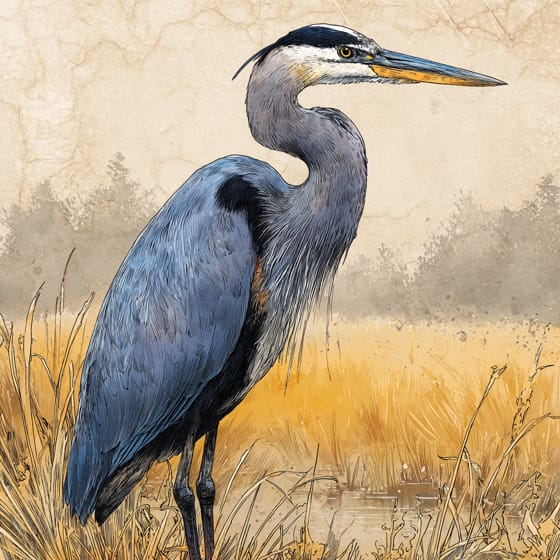
Ardea herodias
as a food source for wading birds
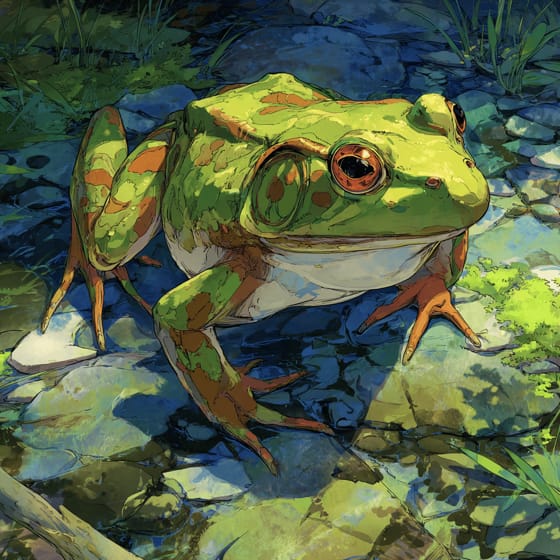
Lithobates catesbeianus
a common meal for large amphibians
Thamnophis sirtalis
a prey item for local reptiles
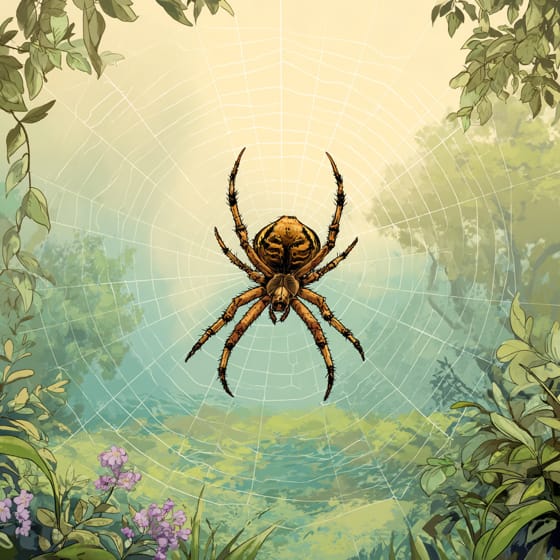
Argiope aurantia
caught in spider webs as food
Social animals live in organized groups, cooperating for survival benefits such as foraging, defense, and raising offspring.
Singing animals produce complex vocalizations, often for purposes of attracting mates, defending territory, or communicating within their species.
Camouflaged describes organisms that possess coloring or patterns that allow them to blend into their environment.
This trait characterizes organisms whose diet consists entirely or primarily of plant material.

This habitat trait identifies species found in wetlands, which are areas of land saturated with water, either permanently or seasonally, including marshes, swamps, and bogs.

Diurnal animals are primarily active during daylight hours, typically resting or sleeping at night.

This trait identifies organisms that exhibit exceptional swiftness in movement for hunting, escape, or travel.
No aliases listed yet.
Danger
1/5 · Very low
Grasshoppers are safe to watch, but be gentle if you try to catch one!
The easiest way to identify Olive-green Swamp Grasshopper is to use the Snappit nature identifier app.
40-65 mm
19-34 mm
60-90 days
5-15 km/h
This grasshopper munches on leaves, grasses, and other swamp plants to get its energy.
Wetlands
Grazing
Zoom in to split clusters and explore where this object has been snapped.

Florida, US
You might spot Atala, Monarch, and Brown Anole.
View guide →

Florida, US
You might spot Green Iguana, Brown Basilisk, and Great Blue Heron.
View guide →

Florida, US
You might spot Green Iguana, Brown Basilisk, and Great Blue Heron.
View guide →
Take the discovery with you
Snap it with Snappit to identify it, learn what makes it special, and add the discovery to your collection.







.jpg&width=800)




