Sea Otter

The Seattle Aquarium, nestled on Piers 59 and 60 along the vibrant Elliott Bay waterfront, is a premier destination for experiencing the rich marine life of the Salish Sea and beyond.
The Seattle Aquarium, nestled on Piers 59 and 60 along the vibrant Elliott Bay waterfront, is a premier destination for experiencing the rich marine life of the Salish Sea and beyond. This captivating public aquarium prides itself on its deep commitment to marine conservation, offering visitors an engaging and educational exploration of underwater ecosystems. With its recent expansion, including the stunning Ocean Pavilion, the aquarium beautifully bridges the local aquatic environment with diverse global habitats, creating a truly comprehensive and inspiring experience for all ages.
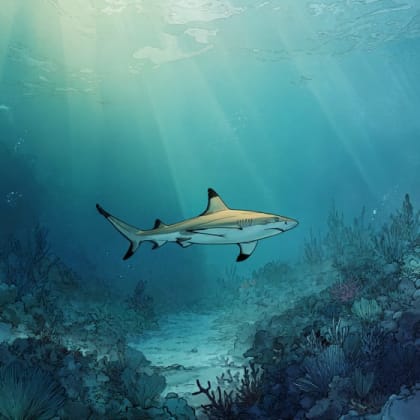
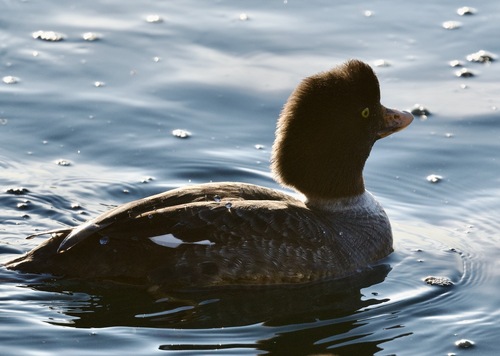
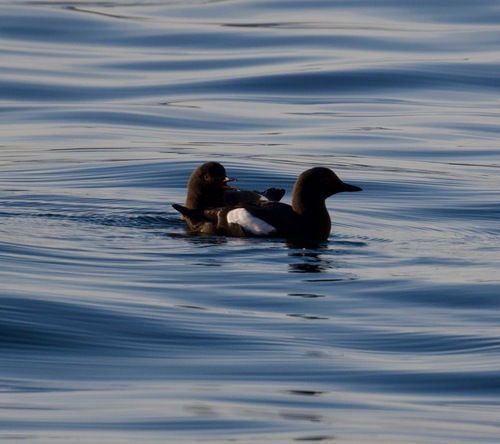
Visitors can marvel at the grandeur of the Window on Washington Waters, a spectacular 120,000-gallon exhibit showcasing the local coastal waters, teeming with native fish and invertebrates. The iconic Underwater Dome provides a breathtaking 360-degree view into a large Puget Sound habitat, where salmon, lingcod, and various rockfish glide by. Engage directly with marine life at the Life on the Edge tide pools, where you can gently touch sea stars and anemones. Don't miss the playful antics of sea otters and harbor seals in the Marine Mammals exhibit, or the vibrant Birds and Shores area featuring tufted puffins and rhinoceros auklets. The new Ocean Pavilion transports guests to the Coral Triangle, an area of immense biodiversity, allowing up-close encounters with blacktip reef sharks, rays, and dazzling coral formations.
More than just an attraction, the Seattle Aquarium is a vital hub for marine conservation and education, inspiring a deeper understanding and appreciation for our one world ocean. Its thoughtful design, interactive exhibits, and daily animal talks and feedings create memorable moments, encouraging visitors to connect with marine life and learn about critical environmental stewardship. Whether observing a Giant Pacific Octopus or exploring the colorful reefs, a visit here leaves a lasting impression and a renewed sense of responsibility for the health of our oceans. Be ready to snap and learn! Get the Snappit app to identify any nature species you find here.
The Seattle Aquarium first opened its doors on May 20, 1977, replacing a privately owned facility, the Seattle Marine Aquarium, which closed the same year. The plans for a city-operated aquarium were approved by voters through a Forward Thrust ballot initiative in 1968. Initially, the aquarium was owned and managed by the City of Seattle's Department of Parks and Recreation. In a significant transition on July 1, 2010, the non-profit Seattle Aquarium Society took over its management under a long-term operating agreement with the City. This change further solidified the aquarium's commitment to marine conservation and education. The most recent major development is the opening of the new Ocean Pavilion in 2024, which significantly expands the aquarium's campus and exhibit offerings.
Explore all three buildings (Pier 59, Pier 60, and the Ocean Pavilion). Participate in daily talks and animal feedings – check the schedule upon arrival. Engage with the touch tanks in "Life on the Edge." Visit Caring Cove if you have young children, an interactive play space. Enjoy the views of Elliott Bay and the Olympic Mountains from the outdoor areas and cafe.
During fall and winter, visitors are advised to dress warmly due to the outdoor elements of the marine mammal habitats and typical Seattle rain.
The Seattle Aquarium is wheelchair-accessible, with accessible habitats and restrooms. Wheelchairs are available for loan at guest services on a first-come, first-served basis. The facility is registered as sensory-inclusive, and a private nursing/pumping pod is available. A social story visual guide is also offered to help prepare visitors with autism or sensory sensitivities.
A massive 120,000-gallon tank showcasing local marine life.
Offers a 360-degree view into a large Puget Sound habitat.
Interactive tide pools where you can touch sea creatures.
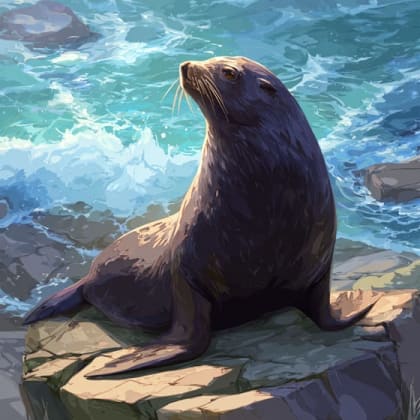
Observe sea otters, harbor seals, and Northern fur seals.
Each card links to a full Explore page with photos, traits, and fun facts.
Start with the big picture, then zoom in to explore individual wildlife observations around this place.
Buy tickets online in advance
This is highly recommended, especially for weekends and holidays, to ensure your preferred entry time and potentially avoid longer wait times or sold-out days.
Plan parking ahead
The aquarium does not have dedicated parking. Consider booking a spot in a nearby garage via services like SpotHero. The Pike Place Market Garage offers two free hours of parking with Aquarium validation.
Check daily schedules
Upon arrival, inquire about the day's schedule for animal feedings and educational talks at the marine mammal habitats or other exhibits, as locations and times can vary.
Visit during off-peak hours
For a quieter experience with fewer crowds and more interactive time at touch tanks, aim for weekday mornings or late afternoons.
No flash photography
To protect the animals, refrain from using flash photography or phone flashlights near the habitats.
Dress in layers
Parts of the aquarium, including marine mammal exhibits, are outdoors. Seattle's waterfront weather can be unpredictable, so dressing in layers ensures comfort.
Engage with touch pools responsibly
At the "Life on the Edge" exhibit, remember to wash your hands before and after, and only use one finger to gently touch the tide pool animals.
Mar 28, 2026
Photo attribution
(c) Mason Holum, some rights reserved (CC BY)
License: CC BY 4.0 ↗
Image may be shown cropped inside the card frame.
Mar 3, 2026
Photo attribution
(c) Jonathan Eisen, some rights reserved (CC BY)
License: CC BY 4.0 ↗
Image may be shown cropped inside the card frame.
Mar 3, 2026
Photo attribution
(c) Jonathan Eisen, some rights reserved (CC BY)
License: CC BY 4.0 ↗
Image may be shown cropped inside the card frame.
May 30, 2026
May 30, 2026

Michigan, US
You might spot African Lion, Komodo Dragon, and Brown Bear.
View guide →
.jpg)
Municipal District of Cobh, IE
You might spot Ring-Tailed Lemur, Giraffes, and Cheetahs.
View guide →

Nouvelle-Aquitaine, FR
You might spot Greater Flamingo, Giraffes, and Red Panda.
View guide →

Texas, US
You might spot Giraffes, African Lion, and Eastern Black Rhinoceros.
View guide →
Take the discovery with you
Identify the wildlife you spot, learn as you go, and keep a collection of the adventure.