





One-seed Juniper
Juniperus monosperma
The One-seed Juniper is a small shrub with green, needle-like leaves. It produces tiny blue berries that are loved by birds and other animals. This plant can grow in dry places and is very tough!
Habitat: Desert
The One-seed Juniper is a hardy evergreen shrub or small tree, often with an irregular crown. It has short, scale-like, yellowish-green leaves and produces small, waxy, blue-black 'berries' (cones) covered in a pale, dusty bloom, making them visually distinct.
Category
PlantsRarity
Common
Danger
1/5 · Very low
Snaps
1
Indigenous peoples used its tough wood for crafting tools and shelter poles.
It can thrive in dry deserts where most other trees struggle to survive!
Its blue "berries" are actually tiny, modified cones, not true fruits!
The One-seed Juniper often grows a twisted, gnarled trunk as it ages!
One-seed Juniper has tough, scale-like leaves and deep roots that help it survive in very dry desert and arid environments by reducing water loss.
One-seed Juniper can thrive in poor, rocky soils and harsh, exposed climates, often being one of the first plants to colonize difficult land.
One-seed Juniper produces fleshy, berry-like cones that provide essential, long-lasting food for many bird and mammal species during cold months.
Gymnorhinus cyanocephalus
Consumes juniper 'berries' as a vital food source.
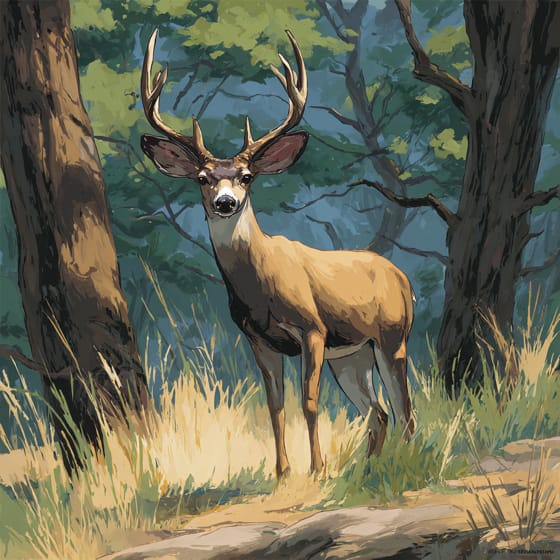
Odocoileus hemionus
Browses on its foliage, especially in winter.
Baeolophus ridgwayi
Nests and finds refuge within its dense branches.
Pinus edulis
Forms common Pinyon-Juniper woodlands, sharing resources.
Aromatic plants produce and emit fragrant volatile organic compounds, often for defense or to attract pollinators.
A shrub is a woody plant smaller than a tree, typically with multiple stems branching from or near the ground.
Evergreen plants retain their foliage throughout the year, never shedding all their leaves at once.
Fruit-bearing plants produce fruits, which are the mature ovaries of flowering plants containing seeds.

Drought-tolerant plants can survive and flourish in conditions with limited water availability.

Edible plants are those parts of a plant that are considered safe for human consumption.

Desert habitats are arid regions characterized by extremely low precipitation and often extreme temperatures, supporting specialized flora and fauna.

This trait characterizes organisms with an exceptionally long lifespan compared to others of their kind.

Describes a species whose presence and role have a disproportionately large effect on its environment.
No aliases listed yet.
Danger
1/5 · Very low
Do not eat any berries without asking an adult first, as some plants can be harmful.
The easiest way to identify One-seed Juniper is to use the Snappit nature identifier app.
300-1000 cm
200-800 cm
No
Mild
Perennial
Wind
Desert
Zoom in to split clusters and explore where this object has been snapped.

New Mexico, US
You might spot Tree Cholla, Colorado Pinyon, and Apache Plume.
View guide →

Colorado, US
You might spot Mule Deer, Woodhouse's Scrub-Jay, and Black-Billed Magpie.
View guide →
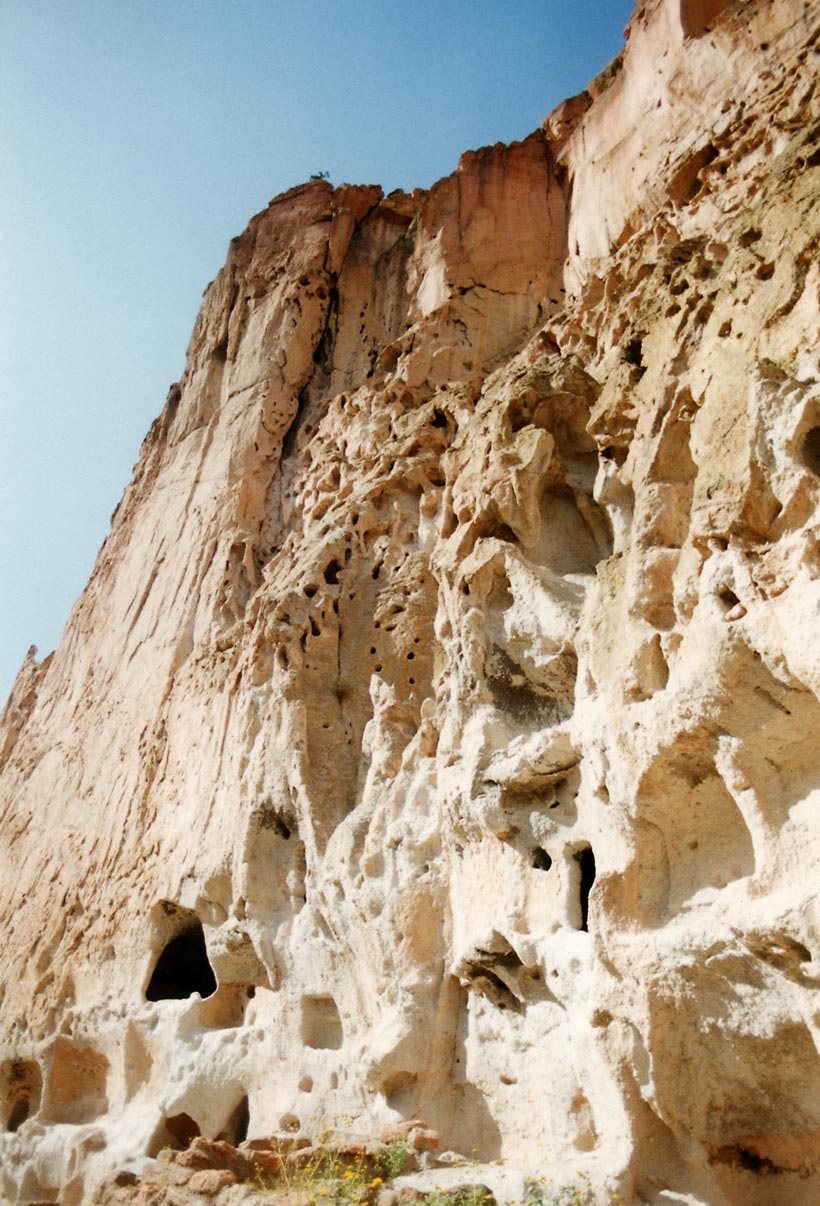
New Mexico, US
You might spot Tree Cholla, Mule Deer, and Sacred Datura.
View guide →
Take the discovery with you
Snap it with Snappit to identify it, learn what makes it special, and add the discovery to your collection.









.jpg&width=800)



_001.jpg&width=800)

