_Triodia_sylvina_-_St_Foy_d%27Aigrefeuille_-_France_-_male.jpg&width=800)





Orange Swift
Triodia sylvina
The Orange Swift is a bright and colorful butterfly that flutters around in sunny places. Its beautiful orange wings make it easy to spot as it dances from flower to flower.
Habitat: Grasslands
The Orange Swift is a medium-sized moth notable for its bright orange forewings, often marked with distinctive silvery-white streaks or blotches. Its hindwings are typically a duller orange or brownish hue. This striking color pattern makes it easily distinguishable from most other moths.
Category
InsectsRarity
Common
Danger
1/5 · Very low
Snaps
Be the first to snap!
Did you know its caterpillar lives hidden underground for up to two years before transforming?
Male Orange Swifts perform a special 'lek' flight display to attract females!
Their vibrant orange and silver wings make them look like tiny, flying jewels at dusk!
Unlike many moths, the Orange Swift is often seen flying rapidly during twilight hours!
Orange Swift larvae can live safely hidden underground for up to two years, feeding on plant roots because of their subterranean lifestyle.
Orange Swifts can expertly navigate and find nectar-rich flowers at dusk, using their keen senses to locate food sources in low light.
The Orange Swift has an incredibly fast and erratic flight pattern that helps them dodge predators and escape danger quickly.
Larvae eat plant roots underground, while adult moths enjoy sipping nectar from flowers.
Age differences: Larvae feed on plant roots underground; adults drink nectar from flowers.

Rumex crispus
Larvae consume roots of this common plant.

Cirsium arvense
Transfers pollen when visiting flowers for nectar.
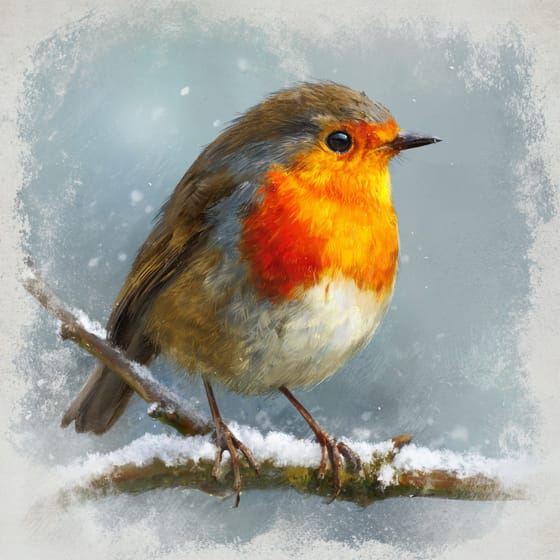
Erithacus rubecula
Adult moths are a food source for birds.

Sorex araneus
Shrews may find and eat larvae in soil.
Colorful describes organisms or objects displaying a wide range of bright and distinct colors.
Grassland habitats are terrestrial biomes dominated by grasses and herbaceous plants, supporting a variety of grazing animals.
This trait characterizes organisms whose diet consists entirely or primarily of plant material.
Describes plants that are particularly attractive and beneficial to a wide range of pollinating organisms.

Diurnal animals are primarily active during daylight hours, typically resting or sleeping at night.

This trait identifies organisms that exhibit exceptional swiftness in movement for hunting, escape, or travel.

Describes organisms that transfer pollen, enabling the fertilization and reproduction of plants.
No aliases listed yet.
Danger
1/5 · Very low
Always watch butterflies from a distance and don't try to catch them.
The easiest way to identify Orange Swift is to use the Snappit nature identifier app.
28-44 mm
15-25 mm
372-744 days
15 km/h
Larvae eat plant roots underground, while adult moths enjoy sipping nectar from flowers.
Grasslands
Foraging
Zoom in to split clusters and explore where this object has been snapped.
Recent snaps will appear here as new observations are added.
Take the discovery with you
Snap it with Snappit to identify it, learn what makes it special, and add the discovery to your collection.






.jpg&width=800)



