





Oregon woodsorrel
Oxalis oregana
Oregon woodsorrel is a small plant with pretty green leaves that look like little hearts. It grows in shady forests and has bright yellow flowers that bloom in springtime.
Habitat: Forests
The Oregon woodsorrel has clover-like, heart-shaped green leaves, often with a purple underside, that fold up at night. Its delicate white to pinkish-purple flowers bloom on slender stalks, featuring five petals and bright yellow stamens.
Category
PlantsRarity
Common
Danger
1/5 · Very low
Snaps
9
Each leaf is made of three perfect heart shapes joined together!
It closes its leaves tight when it rains, like a tiny umbrella!
Its flowers glow in the dark under UV light, guiding pollinators!
Some call it 'redwood sorrel' as it loves giant redwood forests!
Oregon woodsorrel can fold its leaves down at night, like sleeping, which helps it save energy and protect itself from cold or bright light.
Oregon woodsorrel has underground stems called rhizomes that help it spread widely and quickly create dense green carpets in forests.
Oregon woodsorrel has special pigments that help it thrive in deep shade, soaking up sunlight where other plants struggle.
Apis mellifera
Its flowers provide nectar for visiting bees.
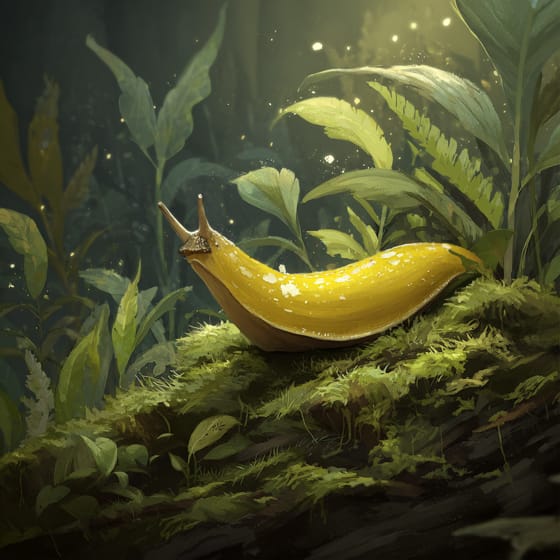
Ariolimax columbianus
A food source for the large banana slug.
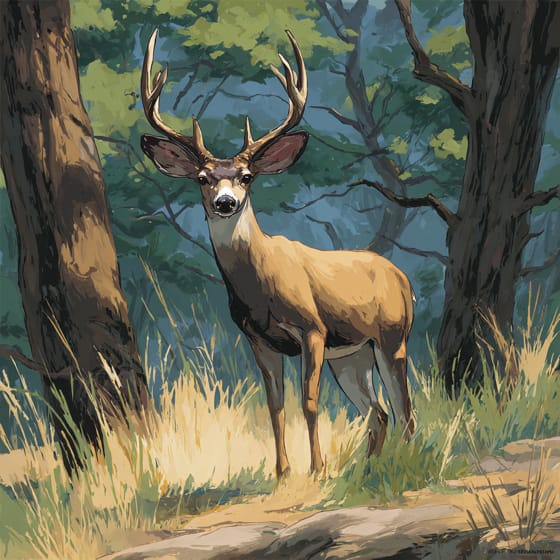
Odocoileus hemionus
Occasionally browsed by deer in forest understories.
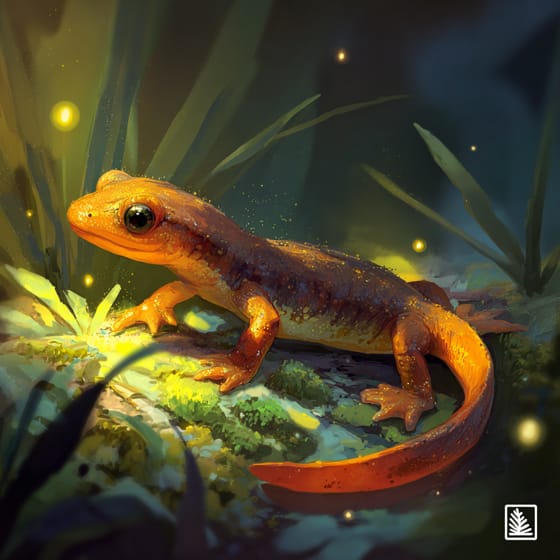
Taricha granulosa
Provides damp, shady cover for amphibians.
Flowering plants are any plants that produce flowers as part of their reproductive cycle.
Shade tolerant plants are adapted to grow and thrive in areas with low light levels, requiring less direct sunlight.
Spring blooming plants produce their flowers during the spring season, often signifying the end of winter and the start of new growth.
Medicinal plants possess chemical compounds that can be used for therapeutic purposes to treat illnesses or maintain health.

Edible plants are those parts of a plant that are considered safe for human consumption.

Describes plants that are particularly attractive and beneficial to a wide range of pollinating organisms.

Forest habitats are terrestrial environments dominated by dense tree cover, supporting a high diversity of plant and animal life.
No aliases listed yet.
Danger
1/5 · Very low
Always ask an adult before touching or tasting any plants.
The easiest way to identify Oregon woodsorrel is to use the Snappit nature identifier app.
5-15 cm
10-30 cm
1-2 cm
Spring to Summer
Yes
Mild
Perennial
Zoom in to split clusters and explore where this object has been snapped.

Washington, US
You might spot Pacific Tree Frog and Long-Toed Salamander.
View guide →

Washington, US
You might spot Northern Flicker, American Robin, and Great Blue Heron.
View guide →

Oregon, US
You might spot Rough-Skinned Newt and Northern Red-Legged Frog.
View guide →

Washington, US
You might spot Pacific Banana Slug, Western Sword Fern, and Elk.
View guide →

Oregon, US
You might spot Green Alkanet, Western Sword Fern, and Pacific Banana Slug.
View guide →

Washington, US
You might spot Devil's Club, Scouler's Corydalis, and Pacific Banana Slug.
View guide →
Take the discovery with you
Snap it with Snappit to identify it, learn what makes it special, and add the discovery to your collection.







.jpg&width=800)



_001.jpg&width=800)


