





Orthodes noverca
Orthodes noverca
The Orthodes noverca, also known as the 'Mother-of-pearl Moth', is a beautiful insect with shiny wings. It loves to fly around gardens and fields, especially at night when it looks for flowers to sip nectar from.
Habitat: Gardens and fields
The Orthodes noverca is a small, stout-bodied moth with mottled brownish-grey forewings. It often features a darker, irregular median band and a distinct kidney-shaped spot, called a reniform stigma, near the center. Its hindwings are paler and somewhat translucent.
Category
InsectsRarity
Common
Danger
1/5 · Very low
Snaps
Be the first to snap!
Even in winter, some of these moths survive as pupae, waiting for spring!
Its caterpillars often hide by rolling up leaves to build a cozy, safe shelter.
The word 'noverca' in its name means 'stepmother' in Latin!
This moth belongs to a family where many members have 'ears' to hear bats!
Orthodes noverca can blend perfectly into tree bark because of its mottled brown wings that help them hide from predators during the day.
Orthodes noverca can find flowers in the dark because it has sensitive antennae that detect faint chemical scents, helping them locate nectar sources.
Orthodes noverca can quickly dart away from danger because of its powerful wing muscles that enable agile escape maneuvers in flight.
Caterpillars munch on various plants, while adult moths sip sweet flower nectar.
Age differences: Larvae feed on leaves and stems; adults drink nectar.
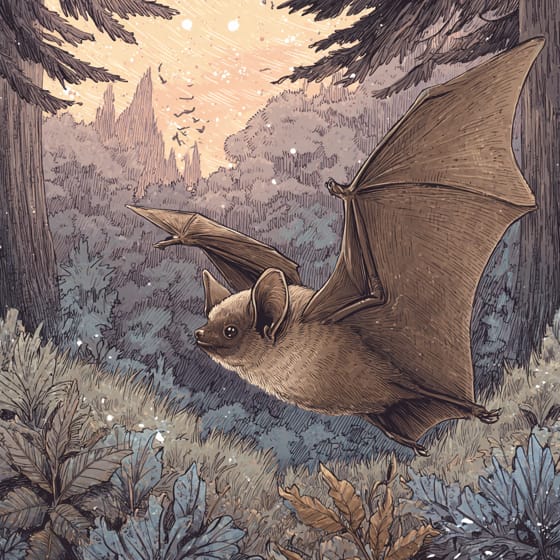
Myotis lucifugus
Bats hunt moths using echolocation at night.
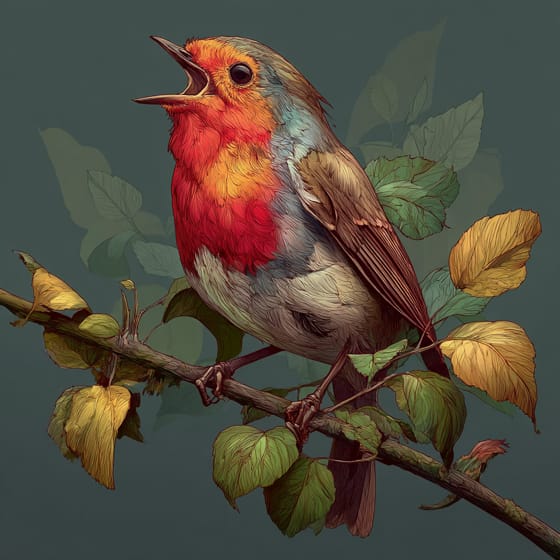
Turdus migratorius
Birds may prey on resting moths during the day.
Solidago canadensis
Adults visit flowers like goldenrod for nectar.

Poa pratensis
Its caterpillars feed on various types of grasses.
Colorful describes organisms or objects displaying a wide range of bright and distinct colors.
This trait characterizes organisms whose diet consists entirely or primarily of plant material.
Describes plants that are particularly attractive and beneficial to a wide range of pollinating organisms.
Nocturnal animals are primarily active during the nighttime hours, typically resting or sleeping during the day.

Describes organisms that transfer pollen, enabling the fertilization and reproduction of plants.
Danger
1/5 · Very low
Moths are usually safe to watch, but don't touch them as they can be delicate.
The easiest way to identify Orthodes noverca is to use the Snappit nature identifier app.
25-30 mm
15-25 mm
30-60 days
8 km/h
Caterpillars munch on various plants, while adult moths sip sweet flower nectar.
Gardens and fields
Foraging
Zoom in to split clusters and explore where this object has been snapped.
Recent snaps will appear here as new observations are added.
Take the discovery with you
Snap it with Snappit to identify it, learn what makes it special, and add the discovery to your collection.









.jpg&width=800)



