





Pacific Dogwood
Cornus nuttallii
The Pacific Dogwood is a beautiful tree with lovely white flowers that bloom in spring. Its branches are strong and can grow quite tall, making it a favorite in forests and parks.
Habitat: Forests
The Pacific Dogwood is a medium-sized tree with striking white or pinkish petal-like bracts surrounding tiny yellow-green flowers. Its large, dark green leaves turn vivid red and purple in autumn, complemented by clusters of bright red berries.
Category
PlantsRarity
Common
Danger
1/5 · Very low
Snaps
9
Its big white 'petals' are actually modified leaves called bracts!
Its wood is incredibly hard, once used for golf club heads and tool handles!
Native peoples made dyes from its bark and used parts for traditional medicines.
The name 'dogwood' may come from 'dagwood,' meaning strong wood for skewers!
Pacific Dogwood has huge white 'petals' (bracts) that cleverly attract insects for pollination even though its true flowers are tiny.
This tree produces bright red berries that signal to birds they are ripe for eating, helping the tree spread its seeds far and wide.
Its leaves transform into brilliant red and purple hues each fall, making it stand out and prepare for winter dormancy.
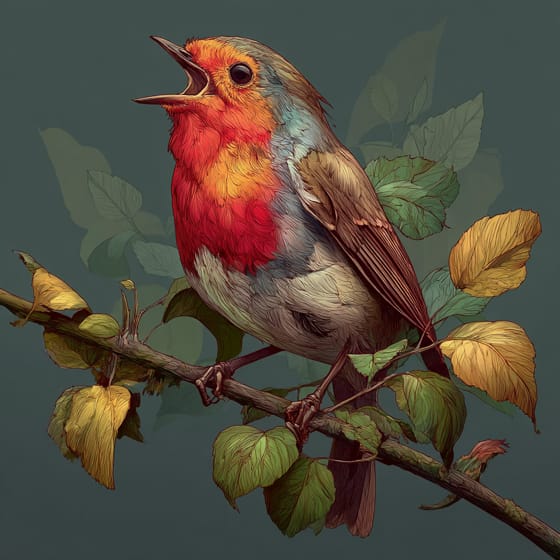
Turdus migratorius
Eats bright red berries for food.

Sciurus griseus
Consumes its seeds, aiding in dispersal.
Apis mellifera
Visits tiny flowers for nectar and pollen.
Bombus occidentalis
Helps spread pollen between flowers.
Deciduous plants periodically shed all their leaves, typically during autumn or dry seasons.
Flowering plants are any plants that produce flowers as part of their reproductive cycle.
Spring blooming plants produce their flowers during the spring season, often signifying the end of winter and the start of new growth.
Broadleaf trees are angiosperms characterized by flat, wide leaves that are typically shed annually in temperate climates.

Describes plants that are particularly attractive and beneficial to a wide range of pollinating organisms.

Timber refers to wood that has been prepared for use in building and carpentry.

Forest habitats are terrestrial environments dominated by dense tree cover, supporting a high diversity of plant and animal life.

Describes a species whose presence and role have a disproportionately large effect on its environment.

Protected status signifies a species or area is safeguarded by legal measures and conservation efforts to prevent harm or loss.
Danger
1/5 · Very low
Don't climb too high in trees, and watch out for falling branches.
The easiest way to identify Pacific Dogwood is to use the Snappit nature identifier app.
500-2000 cm
300-1000 cm
5-10 cm
Spring
No
Mild
Perennial
Zoom in to split clusters and explore where this object has been snapped.

California, US
You might spot Sequoia, California Newt, and Pacific Dogwood.
View guide →

California, US
You might spot Pipevine Swallowtail and Western Fence Lizard.
View guide →

Washington, US
You might spot Pacific Tree Frog, Pacific Banana Slug, and Salal.
View guide →

California, US
You might spot Broad-Leaved Stonecrop and Pacific Bleeding Heart.
View guide →

California, US
You might spot Yellow Star-Tulip and Mountain Misery.
View guide →

California, US
You might spot Sequoia, Mule Deer, and Black Bear.
View guide →
Take the discovery with you
Snap it with Snappit to identify it, learn what makes it special, and add the discovery to your collection.






.jpg&width=800)


_001.jpg&width=800)




