.jpg&width=800)





western harebell
Campanula petiolata
The western harebell is a lovely blue flower that grows in fields and meadows. It has delicate, bell-shaped blooms that sway gently in the breeze, making it a pretty sight in nature.
Habitat: Grasslands
The western harebell has delicate, bell-shaped flowers that are typically a vibrant purplish-blue. These nodding blooms dangle gracefully from very slender, wiry stems, making it appear lighter and more fragile than many other wildflowers, especially when growing on rocky outcrops.
Category
PlantsRarity
Common
Danger
1/5 · Very low
Snaps
2
Indigenous peoples traditionally used parts of the harebell for its medicinal properties!
It can grow in very high mountain altitudes, even near the treeline, enduring harsh weather!
The 'bell' in its name comes from the distinct shape of its lovely flowers!
Though delicate, harebells are surprisingly tough, often thriving where other plants struggle!
The western harebell has a deep taproot that helps it survive by anchoring firmly in rocky soils and dry conditions.
Its bell-shaped flowers contain special nectar guides that help direct insects straight to its pollen, boosting reproduction.
Its lightweight seeds can be carried by the wind, allowing it to spread its offspring to new, distant locations.
Bombus vosnesenskii
Main pollinator, collecting nectar.
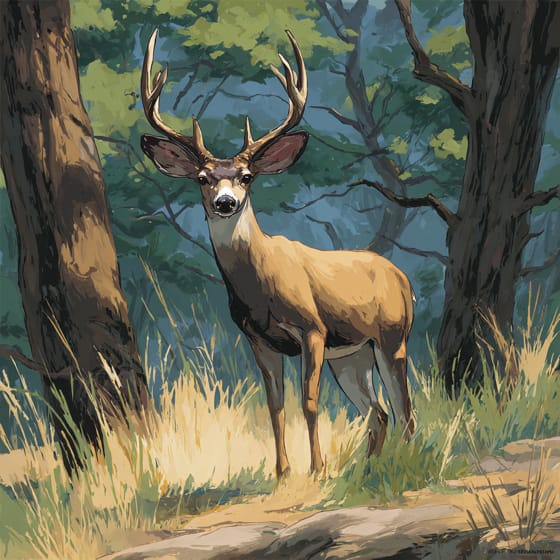
Odocoileus hemionus
Browses on leaves and flowers.
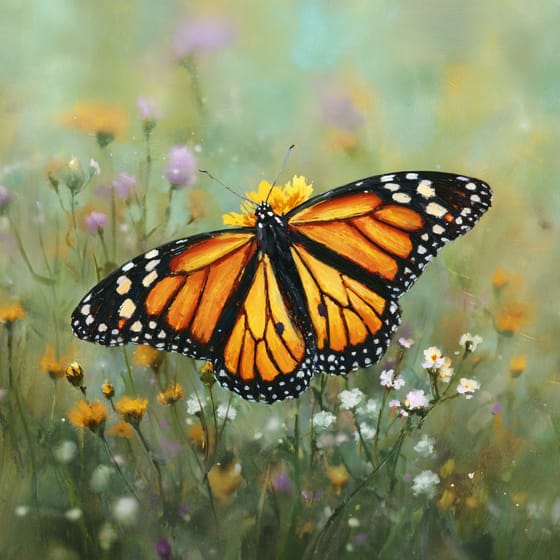
Danaus plexippus
Visits flowers for nectar.
Aromatic plants produce and emit fragrant volatile organic compounds, often for defense or to attract pollinators.
Bell-shaped flowers possess petals fused or arranged to form a cup-like or campanulate structure resembling a bell.
Flowering plants are any plants that produce flowers as part of their reproductive cycle.
Summer blooming plants produce their flowers during the summer season, often providing vibrant color when many other plants have finished.

Fragrant flowers emit a pleasant aroma, often to attract pollinators or for defense.

Grassland habitats are terrestrial biomes dominated by grasses and herbaceous plants, supporting a variety of grazing animals.

Describes plants that are particularly attractive and beneficial to a wide range of pollinating organisms.
No aliases listed yet.
Danger
1/5 · Very low
Always look but don't pick flowers. They are homes for insects and help nature!
The easiest way to identify western harebell is to use the Snappit nature identifier app.
10-40 cm
15-30 cm
1-2.5 cm
Summer-fall
Yes
None
Perennial
Zoom in to split clusters and explore where this object has been snapped.

Colorado, US
You might spot Great Basin Bristlecone Pine and Fireweed.
View guide →

Colorado, US
You might spot Moose, Police Car Moth, and Common Toadflax.
View guide →

Colorado, US
You might spot Mule Deer, Bearberry, and Common Juniper.
View guide →

Wyoming, US
You might spot Lodgepole Pine, Flowery Phlox, and Moose.
View guide →

South Dakota, US
You might spot Bighorn Sheep and Narrow-Leaved Purple Coneflower.
View guide →

Wyoming, US
You might spot Prairie Dog, Bur Oak, and Rocky Mountains Ponderosa Pine.
View guide →
Take the discovery with you
Snap it with Snappit to identify it, learn what makes it special, and add the discovery to your collection.








.jpg&width=800)


_001.jpg&width=800)




