





Pacific Fuzzwort
Ptilidium californicum
Pacific Fuzzwort is a soft, green plant that looks like fuzzy moss. It grows on tree trunks and rocks, making nature look even more beautiful!
Habitat: Forests
The Pacific Fuzzwort is a delicate, moss-like liverwort forming flattened mats of golden-green to reddish-brown feathery fronds. Its tiny, overlapping leaves give it a distinctive soft, fuzzy appearance on tree bark or rocks, making it visually different from true mosses by its lobed leaves.
Category
PlantsRarity
Common
Danger
1/5 · Very low
Snaps
Be the first to snap!
It's one of Earth's oldest land plants, evolving before dinosaurs roamed!
Some kinds can survive drying out completely and then revive with water!
These tiny plants don't have roots, absorbing water and nutrients through their leaves.
Tiny water bears, also called moss piglets, often live safely hidden within their fuzzy leaves.
Pacific Fuzzwort has tiny, overlapping leaves that help them absorb and hold onto precious moisture like a sponge, keeping them hydrated.
Pacific Fuzzwort can colonize bare surfaces like rocks or decaying wood, helping to create new soil for other plants to grow.
Pacific Fuzzwort creates dense, tiny carpets that provide miniature homes and humid hideouts for very small creatures like springtails.
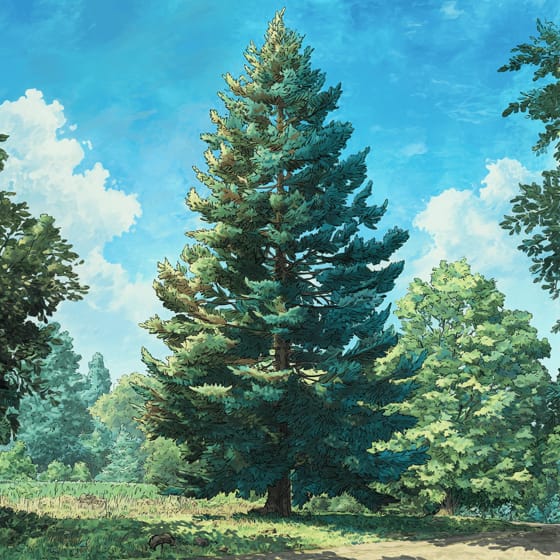
Pseudotsuga menziesii
Grows on its bark, using it as a stable anchor.
Tardigrada daedalus
Provides a damp, protected microhabitat for these tiny animals.
Pogonognathellus longicornis
Offers tiny nooks and moist spaces for these decomposers.
Furry describes animals possessing a dense covering of soft hair or fur.
This trait describes a composite organism resulting from a symbiotic association between a fungus and a photosynthetic partner, typically an alga or cyanobacterium.
This trait characterizes plants lacking specialized vascular tissues (xylem and phloem) for transporting water and nutrients.
Shade tolerant plants are adapted to grow and thrive in areas with low light levels, requiring less direct sunlight.

Describes a relationship between two different species where they live in close association, often benefiting one or both.

Describes organisms that break down dead organic material, recycling nutrients back into the ecosystem.

Forest habitats are terrestrial environments dominated by dense tree cover, supporting a high diversity of plant and animal life.

This trait characterizes organisms with an exceptionally long lifespan compared to others of their kind.

Describes a species whose presence and role have a disproportionately large effect on its environment.
No aliases listed yet.
Danger
1/5 · Very low
Always look but don't touch plants in the wild, as some can be delicate.
The easiest way to identify Pacific Fuzzwort is to use the Snappit nature identifier app.
0.5-2 cm
inedible
Forests
wood
Year-round
Zoom in to split clusters and explore where this object has been snapped.
Recent snaps will appear here as new observations are added.
Take the discovery with you
Snap it with Snappit to identify it, learn what makes it special, and add the discovery to your collection.








.jpg&width=800)



_001.jpg&width=800)


