





Pacific poison oak
Toxicodendron diversilobum
Pacific poison oak is a plant that can look like a bush or a vine. It has shiny leaves that can change colors with the seasons, making it interesting to see in nature!
Habitat: Forests
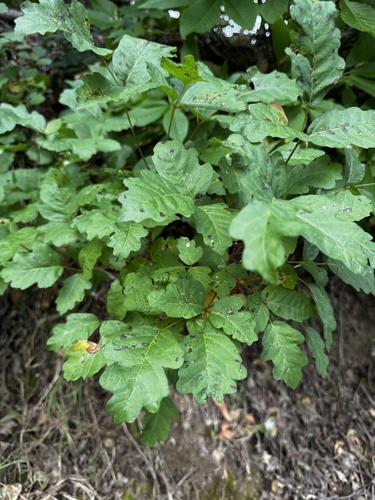
The Pacific poison oak is a highly variable plant, growing as a low shrub or a climbing vine. Its glossy leaves grow in distinctive clusters of three, often turning vibrant red, orange, or yellow in autumn, making it visually distinct. It does not have thorns.
Category
PlantsRarity
Common
Danger
4/5 · High
Snaps
27
Birds eat its berries and help spread its seeds far and wide!
It's not actually an oak, but a relative of cashews and mangoes!
Just one billionth of a gram of its oil can cause an itchy rash!
The itchy oil can stay active on dead plants or clothes for years!
This plant can grow as a low shrub or a climbing vine, helping it reach sunlight in diverse environments.
It has underground stems called rhizomes that help it spread widely and quickly colonize new areas.
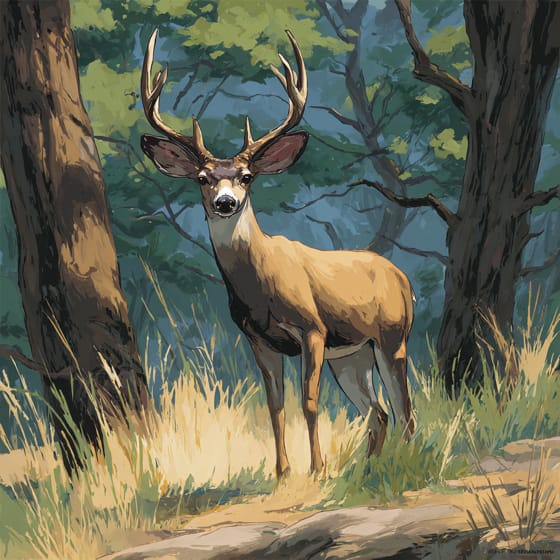
Odocoileus hemionus
Mule deer can eat its leaves without harm.
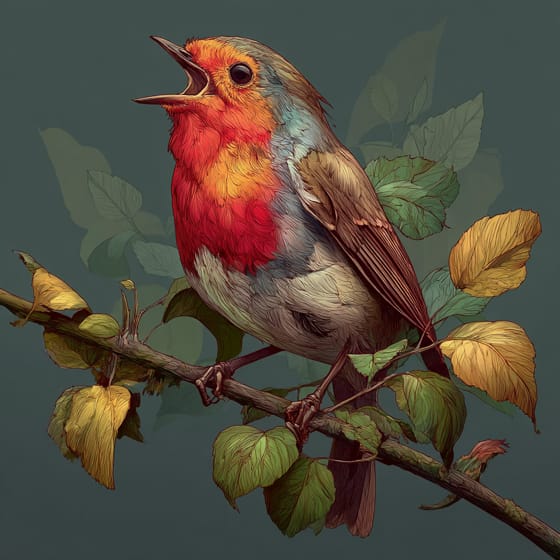
Turdus migratorius
Robins eat its berries, helping to spread the seeds.
Apis mellifera
Bees visit the small, inconspicuous flowers for nectar.
Deciduous plants periodically shed all their leaves, typically during autumn or dry seasons.
A shrub is a woody plant smaller than a tree, typically with multiple stems branching from or near the ground.
Fall color refers to the seasonal change in foliage pigmentation, primarily in deciduous plants, displaying vibrant hues.
Forest habitats are terrestrial environments dominated by dense tree cover, supporting a high diversity of plant and animal life.

Toxic organisms contain substances that are poisonous and can cause adverse effects upon exposure.

Poisonous organisms produce toxins that can cause harm when ingested, inhaled, or absorbed through contact.
Danger
4/5 · High
Do not touch this plant, as it can make your skin itchy and uncomfortable.
The easiest way to identify Pacific poison oak is to use the Snappit nature identifier app.
15-600 cm
50-1000 cm
0.2-0.5 cm
Spring
No
High
Perennial
Zoom in to split clusters and explore where this object has been snapped.
May 28, 2026
ColomaPhoto attribution
(c) J. Roe, some rights reserved (CC BY)
License: CC BY 4.0 ↗
Image may be shown cropped inside the card frame.

California, US
You might spot Acorn Woodpecker and Western Fence Lizard.
View guide →

California, US
You might spot Redwood Sorrel, Redwood, and Button's Banana Slug.
View guide →

California, US
You might spot White Globe Lily, Rose Campion, and Pipevine Swallowtail.
View guide →

California, US
You might spot Western Fence Lizard, Duck, and California Brittlebush.
View guide →

California, US
You might spot Sunburst Anemone, Ochre Sea Star, and Striped Shore Crab.
View guide →

California, US
You might spot Western Fence Lizard and Pacific Poison Oak.
View guide →
Take the discovery with you
Snap it with Snappit to identify it, learn what makes it special, and add the discovery to your collection.







.jpg&width=800)



_001.jpg&width=800)




