





pale Indian plantain
Arnoglossum atriplicifolium
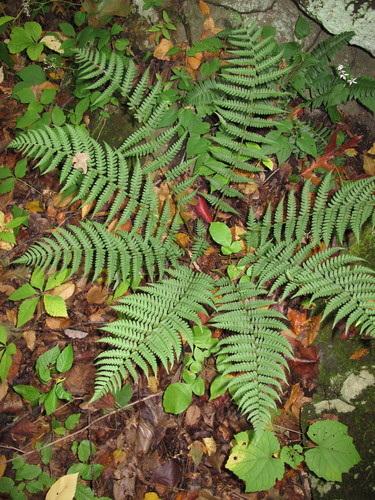
The pale Indian plantain is a tall plant with big, green leaves and fluffy white flowers. It loves to grow in sunny places and can be found in fields and along roadsides.
Habitat: Grasslands
The pale Indian plantain is a tall plant with sturdy, unbranched stems and large, broad, pale green leaves, especially at its base. It has dense clusters of tiny, creamy white to yellowish-white flowers that bloom like fluffy crowns at the very top.
Category
PlantsRarity
Common
Danger
1/5 · Very low
Snaps
2
Its scientific name, Arnoglossum, means "lamb's tongue," referring to its soft, broad leaf shape!
Its seeds are tiny and covered in fine hairs, helping them float on the wind to new places!
This plant can grow over 6 feet tall, making it tower above many other prairie flowers!
Though called "plantain," it's not related to the common lawn plantains or the banana-like fruit!
Pale Indian plantain can withstand dry spells thanks to its long taproot that reaches deep into the soil for water.
Its dense clusters of nectar-rich flowers act like a beacon, attracting many bees and butterflies to help it reproduce.
Pale Indian plantain has strong roots and stems that help it grow well even in disturbed areas and poor soils.
Apis mellifera
Visits its flowers to collect nectar and pollen.
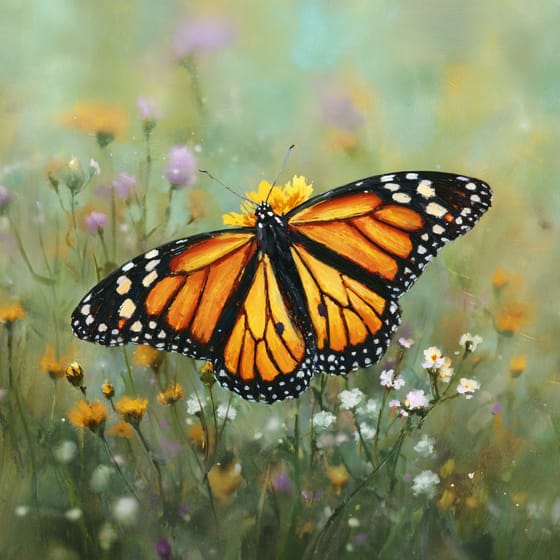
Danaus plexippus
Feeds on nectar from its abundant white flower clusters.
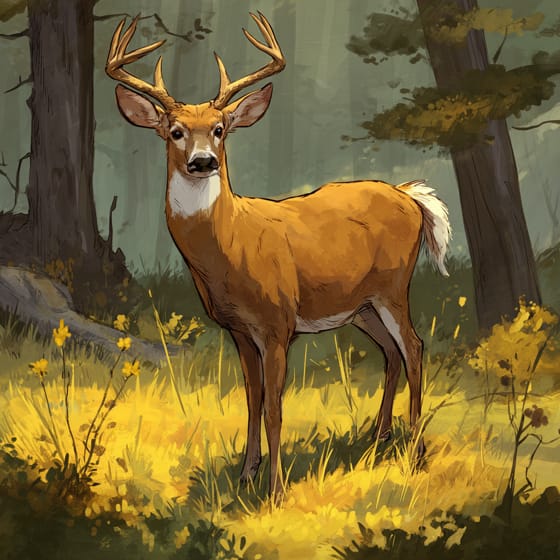
Odocoileus virginianus
Browses its leaves and stems, especially when young.
Flowering plants are any plants that produce flowers as part of their reproductive cycle.
Summer blooming plants produce their flowers during the summer season, often providing vibrant color when many other plants have finished.
Medicinal plants possess chemical compounds that can be used for therapeutic purposes to treat illnesses or maintain health.
Edible plants are those parts of a plant that are considered safe for human consumption.

Grassland habitats are terrestrial biomes dominated by grasses and herbaceous plants, supporting a variety of grazing animals.

Describes plants that are particularly attractive and beneficial to a wide range of pollinating organisms.

Rapid growing plants exhibit accelerated growth rates, quickly increasing in size and biomass within a short period.
No aliases listed yet.
Danger
1/5 · Very low
Always look but don't touch plants you don't know, as some can be prickly or not safe.
The easiest way to identify pale Indian plantain is to use the Snappit nature identifier app.
90-180 cm
30-60 cm
0.5-1 cm
Summer
No
None
Perennial
Zoom in to split clusters and explore where this object has been snapped.
Take the discovery with you
Snap it with Snappit to identify it, learn what makes it special, and add the discovery to your collection.









.jpg&width=800)



_001.jpg&width=800)



